Jury Hits Meta, YouTube With $6B Social Media Addiction Fine
A jury found Meta and YouTube liable for harming young users' mental health, awarding $6 billion in damages. Both tech giants plan to appeal, citing legal protections like Section 230 and Supreme Court precedents that shield platforms from user-generated content liability. The fines are small compared to company profits, but the verdict signals increased legal scrutiny.

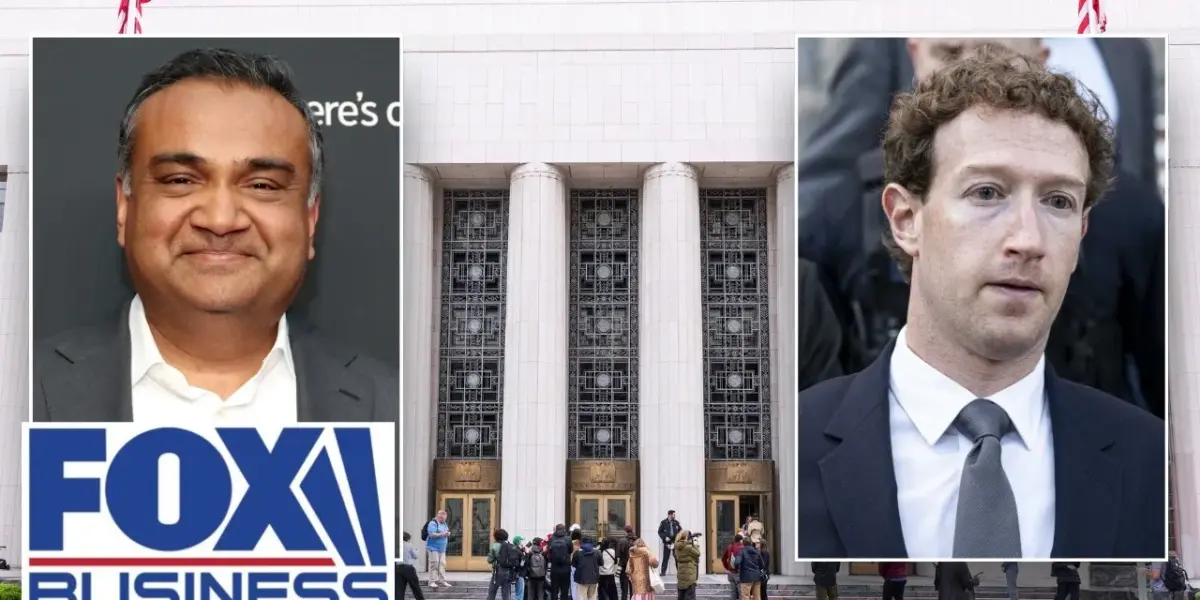
Jury Awards $6 Billion in Social Media Addiction Case Against Meta, YouTube
A Los Angeles jury has found social media giants Meta and Google (YouTube) liable for harming young users’ mental health, ordering them to pay a total of $6 billion in damages. This landmark verdict could pave the way for thousands of similar lawsuits against social media companies.
Damages Awarded and Company Responses
The jury awarded $4.2 billion in compensatory and punitive damages against Meta and $1.8 billion against Google for its YouTube platform. Jurors determined that both companies acted with malice, oppression, or fraud, leading to the negligence findings. Punitive damages are specifically meant to change a company’s behavior. Meta was ordered to pay $2.1 billion in punitive damages, while YouTube faces $900 million.
Both Meta and Google have stated they will appeal the verdict. A Meta spokesperson said, “We respectfully disagree with the verdicts and will appeal.” Google’s representative stated, “We disagree with the verdicts and plan to appeal this case. Misunderstands YouTube’s responsibility to its users.”
Legal Analyst Weighs In on Verdict and Appeals
Fox News Legal Analyst Gregg Jarrett expressed skepticism about the long-term viability of the verdict, particularly the punitive damages. “I think that paltry amount of money in punitive damages… I think that reflects a lack of confidence that the jury had in the plaintiff’s case,” Jarrett explained. He noted that plaintiffs’ counsel had asked for $1 billion, but the jury awarded only a fraction of that.
Jarrett pointed to two key legal protections that may hinder the verdict on appeal. First is Section 230 of the Communications Decency Act, enacted 30 years ago, which grants internet platforms immunity from liability for content posted by their users. Second, he cited the Supreme Court’s 2021 decision in the *Gonzalez v. Google* case, which upheld this legal protection and refused to hold social media companies liable for harmful user-generated content amplified by their algorithms. The Supreme Court emphasized First Amendment free speech protections in that ruling.
Why Meta and Google Fought the Case
Two other companies initially named in the lawsuit, Snapchat and TikTok, settled before going to trial. Meta and Alphabet (Google’s parent company) chose to fight the case. “This guy, was a chosen test case,” Jarrett stated. “There are I think 1600 different plaintiffs who coalesced to a group and they decided let’s for first case pick the strongest one that was this one in Los Angeles.”
However, Jarrett questioned if it was the right case to test. “When you consider the amount of damages here, which is frankly insignificant considering the wealth of the two companies, they may have chosen the wrong case,” he said. He also noted potential weaknesses in the plaintiff’s narrative, including that the user in question was treated by three therapists over years without a diagnosis of social media obsession. The lawsuit was brought as a product liability case, alleging Instagram and YouTube were defectively designed and therefore unsafe. Jarrett likened this argument to blaming a candy company for a child’s overconsumption of chocolate leading to health issues.
Financial Context of the Verdict
The damages awarded, while substantial in a typical case, are relatively small compared to the immense profits of the tech giants. Meta’s net income last year was $60.5 billion, and its parent company Alphabet earned over $132 billion. The punitive damages of $2.1 billion for Meta and $900 million for YouTube represent a tiny fraction of their earnings, suggesting the jury may have had reservations about the extent of the companies’ culpability or the strength of the evidence presented.
What Investors Should Know
This verdict highlights ongoing legal and societal scrutiny of social media’s impact on mental health, especially among young users. While the companies plan to appeal, the ruling could embolden further litigation. Investors in Meta and Alphabet should monitor the appeals process closely. The legal precedent set by Section 230 and Supreme Court rulings remains a significant hurdle for plaintiffs in these types of cases. The relatively small size of the punitive damages, in the context of the companies’ massive profits, suggests that even if the verdict stands, the direct financial impact might be less severe than the headlines suggest. However, the reputational damage and the potential for future, more impactful lawsuits remain key considerations for the market.
Source: Jury hits Meta, YouTube with $6B bill in social media addiction case (YouTube)

Related Articles

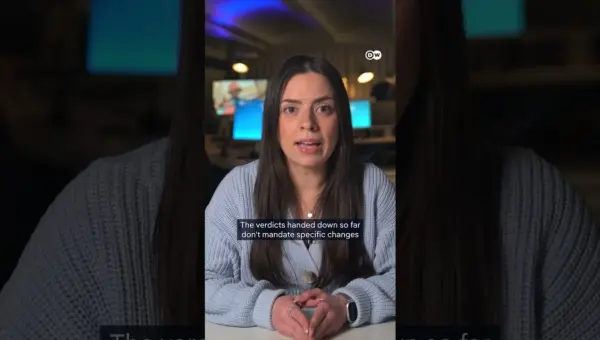
Social Media Giants Face Lawsuits Over Addictive Designs
Tech giants Meta and Google are facing significant legal challenges as juries find them liable for the addictive design of their platforms and the harm caused to young users. Recent verdicts in California and New Mexico have ordered the companies to pay millions in damages, highlighting concerns over mental health impacts and child exploitation.


Immigration Debate Ignites Over Campus Killing
The detention hearing for Jose Medina, accused of murdering Loyola student Sheridan Gorman, has ignited a debate over immigration and mental capacity. Medina, an undocumented immigrant, will remain in custody. His defense cited head trauma and developmental delays, requesting jail time to prevent deportation and ensure due process.


New Food Channel Seeks 1,000 Subs, 4,000 Watch Hours
Content creators Joe and Naz have launched a new YouTube channel focused on food exploration. "Joe and Naz" aims to reach 1,000 subscribers and 4,000 watch hours to grow its audience. The duo plans to feature restaurant reviews, travel, and audience-suggested content.