German Cities: American Reacts to Top Living Spots
An American reacts to a Reddit discussion about the best German cities to live in. He compares German urban life, architecture, and living costs to his experiences in the US, finding charm in historical towns but also noting affordability concerns.

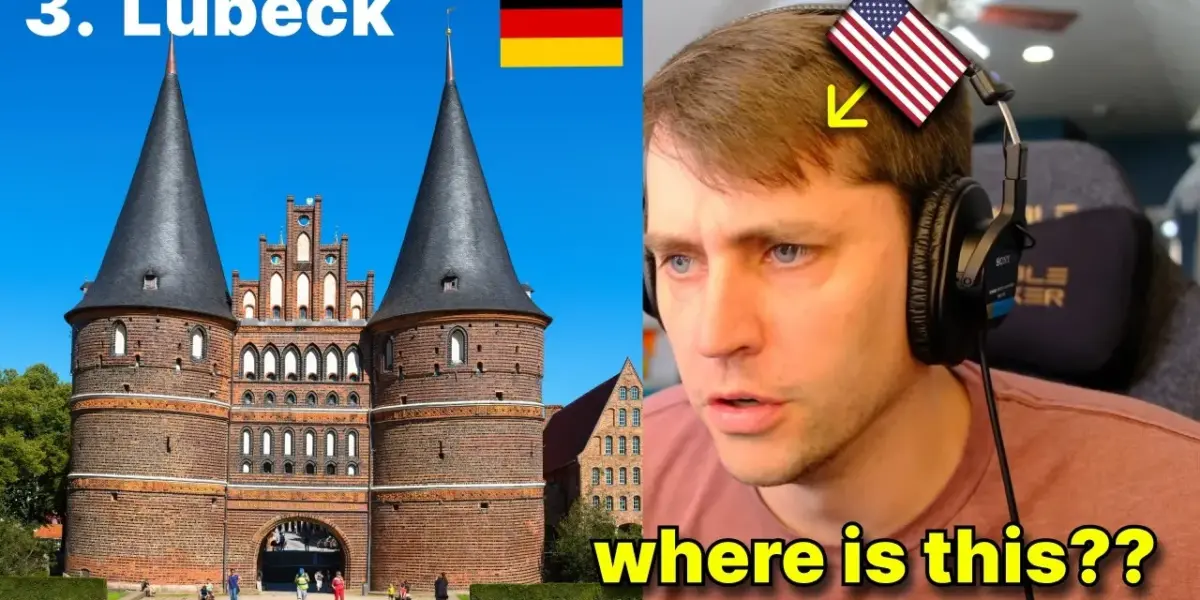
American’s Take on Germany’s Best Cities to Live
When people wonder about the best places to live in Germany, it often sparks a lively discussion. Recently, an American shared his reactions to a Reddit thread discussing the top five German cities for residents. His thoughts offer a fresh perspective, comparing German city life to his own experiences in the United States.
Tourist Traps vs. Livable Towns
The conversation quickly touched upon how popular tourist destinations can be less than ideal for actual living. Rothenburg, a town famous for its picturesque medieval charm, was highlighted as a prime example. While beautiful, it’s described as being overrun with tourists, making daily life difficult for locals. This led to a broader point: tourists seek out the best places, but their very presence can sometimes detract from the quality of life for those who reside there. It’s a bit of a paradox, as the very appeal of a city can become its downfall for residents.
“It’s interesting how anywhere you go in the world if there’s a lot of tourists the people hate it you know and I mean for good reason but it’s kind of like a conundrum you know it’s a paradox because the tourists want to go to the best places you know it’s like ying and yang so you make an amazing city but then it gets flooded by tourists.”
The commentator humorously noted that living in Indiana, far from tourist hotspots, means a more peaceful existence. Bamberg was mentioned as a better alternative, even noted as a favorite of a popular YouTube personality known for exploring Germany.
Decoding German City Names and Architecture
Several cities ending in “-burg” were listed, including Münster, Freiburg, Heidelberg, Oldenburg, and Regensburg. The American pointed out that “-burg” comes from an old Germanic word meaning fortress or fortified place. He found it interesting that many American cities also share this ending, like Pittsburgh and Newburgh, and realized its Germanic roots.
Heidelberg was brought up with a comment about its high cost of living. One person shared that living on the city’s edge was the only affordable option. Rent for an apartment with two main rooms (which might include a bedroom and a living area, or just two living spaces) could start around 1,500 Euros. This price point surprised the American, who admitted he’s out of touch with city apartment prices since he lives in a rural area. He compared it to his own area, where a two-bedroom apartment might cost around $1,200 USD, which he considers cheap compared to desirable US locations.
Discovering Lübeck and Regensburg
Despite the initial focus on prices, the discussion moved to other cities. Lübeck, located north of Hamburg on the coast, caught his attention. He was impressed by its location on what appeared to be a gulf or bay and the fact that the town seemed to be surrounded by a moat, adding a unique historical defense feature.
Regensburg also emerged as a contender, described as being in Bavaria, in the southern part of Germany. The visual of German towns, with their tightly packed buildings, narrow walking corridors, and cobblestone streets, struck him as distinctly “European” and different from typical American towns.
Lübeck’s Unique Charm and Marzipan
A segment from another video provided a closer look at Lübeck. Known for its seven church spires, Lübeck is also famous for its high-quality marzipan, which even has protected status in the EU. The city boasts impressive brick Gothic architecture and was a former queen city of the Hanseatic League, a powerful medieval trade alliance.
The Holsten Gate, a 15th-century medieval city gate with striking twin towers, was highlighted as a major landmark. It now houses small museums. The commentator also expressed surprise about not knowing what marzipan was, describing it as a sweet confection made from ground almonds and sugar, which looked somewhat like bread.
Ulm: A Well-Rounded City?
Ulm was presented as another top city to live in, praised for its good infrastructure, public transport, and job opportunities. It’s noted as being not too large or crowded and conveniently located near Munich and Stuttgart. The American found the proximity interesting, comparing it to his own situation where major cities like St. Louis and Nashville are about an hour and 40 minutes away. He was relieved to find that the definition of “not too far” seemed similar in this context, unlike the vast distances often associated with American geography.
Why This Matters
This discussion highlights how people evaluate cities for living, blending practical concerns like jobs and cost of living with aesthetic and historical appeal. The American’s reaction shows a common theme: the desire for a balance between affordability, amenities, and a sense of place. It also underscores the appeal of European cities, with their historical architecture and compact, walkable designs, often contrasting with the more spread-out nature of American urban environments.
Implications and Future Outlook
As more people consider international living or remote work, understanding what makes a city desirable is crucial. Germany, with its strong economy and rich history, continues to attract global interest. Cities like Lübeck and Regensburg, with their unique historical identities and architectural beauty, offer a different lifestyle. The conversation also points to a growing interest in cities that offer a good quality of life without the overwhelming scale of major metropolises. Future discussions on urban living will likely continue to weigh factors like community feel, cultural richness, and accessibility, alongside traditional metrics of economic opportunity and cost.
Historical Context
The mention of the Hanseatic League in relation to Lübeck provides a glimpse into Germany’s significant past as a center of trade and power. The “-burg” suffix, rooted in ancient Germanic words, connects modern cities to a long history of settlement and fortification. This historical depth is a key part of the appeal for many who are drawn to German cities, offering a tangible link to centuries of culture and development that differs greatly from the relatively younger history of many cities in the United States.
Source: American reacts to "What is the best city to live in Germany?" (YouTube)

Related Articles


Government Shutdown Strains TSA, Sparks Airport Chaos
A recent government funding bill's passage hasn't immediately fixed widespread airport delays. TSA staffing shortages, caused by delayed paychecks from the shutdown, are leading to extreme wait times. Travelers face missed flights and frustration, while TSA workers question their job security.


German Chancellor Links Violence Against Women to Migration
German Chancellor Friedrich Merz has sparked controversy by linking an increase in violence against women to migration. Official figures show a rise in domestic and digital violence, with non-Germans overrepresented as suspects, though critics argue this oversimplifies the issue and ignores the majority of German perpetrators.


US Tourism Dips: Why Are Germans Turning Away?
German travelers are increasingly avoiding the U.S., citing concerns over political instability, safety, and gun violence. This has led to significant cuts in flights and a drop in demand, impacting the tourism industry. While America's natural beauty is still appreciated, current perceptions of unrest make it an unappealing destination for many.