US Secures Hostage Release Amid Shifting Global Alliances
American citizen Dennis Coyle has been reunited with his family after 421 days in Taliban captivity. The emotional homecoming highlights international cooperation, with the UAE and Qatar playing key roles in his release. This event underscores evolving hostage diplomacy strategies and the U.S. commitment to bringing citizens home.

US Secures Hostage Release Amid Shifting Global Alliances
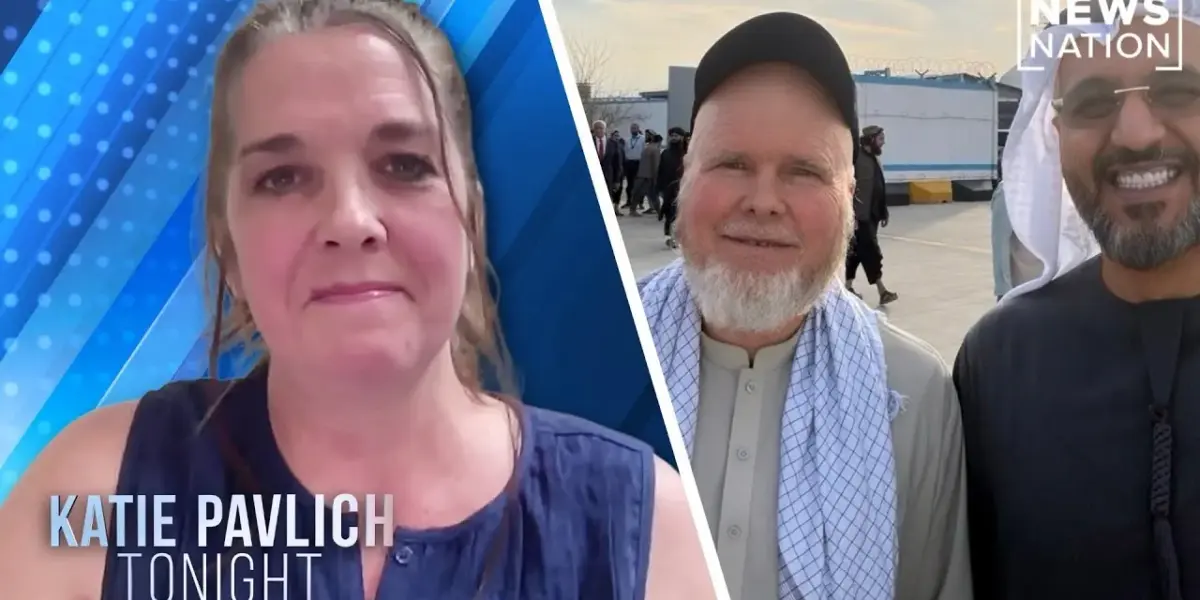
The return of American citizen Dennis Coyle to the United States marks a significant moment in hostage diplomacy, highlighting the complex international relations and the role of key global players in securing the release of detained individuals. Coyle, held by the Taliban for 421 days, was freed and returned to American soil, a reunion facilitated by a coordinated effort involving the U.S. State Department and international partners.
An Emotional Homecoming
The reunion in San Antonio, Texas, was an emotional scene for Coyle and his family. His sister, Molly Line, who had tirelessly advocated for his release, expressed profound relief and joy. “We did it,” she stated, describing the moment of Coyle’s return as a miracle. She noted that Coyle appeared healthy upon arrival, a testament to the care he received during his journey home. The first words exchanged were of love and missing him, with Coyle expressing his gratitude.
A particularly touching gesture was Coyle’s request for the State Department to arrange for flowers to be delivered to his sister, a small but meaningful act that underscored his appreciation for his family’s efforts and the support he received. Coyle’s return was swift, with the family receiving word of his impending release on a Monday and him landing in San Antonio by Wednesday morning. He is currently undergoing evaluation and receiving care from medical professionals.
International Cooperation in Hostage Release
The release was not a unilateral effort. The transcript highlights the crucial role played by the United Arab Emirates (UAE) and Qatar in facilitating Coyle’s freedom. The UAE provided essential support, including food, flights, and mediation, while Qatar also played a vital part in visiting and supporting Coyle. This international cooperation is a key element in resolving such complex diplomatic situations. Coyle’s enjoyment of a simple piece of cheesecake, a dessert he hadn’t had in over a year, served as a poignant reminder of his time in captivity and his return to normalcy.
The U.S. State Department’s involvement was critical in managing the diplomatic channels and ensuring Coyle’s safe passage. The administration’s approach, as mentioned by Line, emphasizes bringing Americans home without paying ransom, a policy that has seen over 105 hostages released under President Trump’s tenure. This strategy aims to deter future hostage-taking by removing the financial incentive for such acts.
Broader Implications for Hostage Diplomacy
Molly Line expressed a strong desire for hostage diplomacy to end, not just in Afghanistan but globally. She extended her empathy to other families still awaiting the return of their loved ones held in Afghanistan, offering the support and lessons learned from her family’s ordeal. “Our heart aches that you are still dealing with we know you have loved ones there and we are part of the process to take what we’ve learned and help you in any way possible,” she stated.
The successful release of Dennis Coyle serves as a powerful example of what can be achieved through persistent advocacy and strategic international partnerships. It underscores the U.S. commitment to its citizens abroad and highlights the effectiveness of diplomatic engagement, even in challenging geopolitical environments. The focus now shifts to Coyle’s recovery and the ongoing efforts to secure the freedom of other Americans still held captive.
Why This Reshapes the World Order
The release of Dennis Coyle is more than a personal victory for one family; it reflects a broader trend in international relations. It showcases how nations can cooperate to achieve humanitarian goals, even amidst political disagreements. The involvement of the UAE and Qatar demonstrates their growing influence as diplomatic mediators. This cooperation highlights a potential shift in global power dynamics, where regional actors play an increasingly important role in resolving international crises. It also reinforces the idea that diplomatic pressure and international collaboration can be effective tools in confronting states or groups that engage in hostage-taking. The success of this operation could encourage similar diplomatic efforts for other detained individuals, signaling a potential new era in how hostage situations are resolved on the world stage.
Source: Dennis Coyle’s sister on his return home: We did it! | Katie Pavlich Tonight (YouTube)

Related Articles

Iran War Ignites Regional Crisis: Pakistan Pulled In
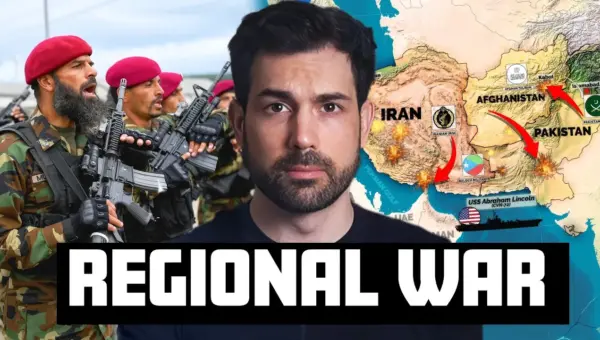
The ongoing war in Iran is igniting a wider regional crisis, pulling Pakistan into escalating border conflicts with Baloch separatists and the resurgent Pakistani Taliban. Missile strikes, protests, and a refugee crisis are destabilizing the region, with significant implications for global energy markets and nuclear security.


Taliban Free American Hostage, Shifting Regional Dynamics
The Taliban has released American hostage Dennis Coyle, marking a significant moment amidst complex regional geopolitics. The move may signal a strategic effort by the Taliban to improve its international standing and potentially ease sanctions, while highlighting the ongoing US commitment to securing its citizens abroad.


Iran Nuclear Deal in Doubt Amid Hostage Release
The release of American hostage Dennis Coyle highlights ongoing geopolitical tensions, particularly with Iran. While claims of Iran agreeing to forgo nuclear weapons have been made, questions persist due to continued uranium enrichment and strategic maneuvering in the Strait of Hormuz. Meanwhile, revelations of Iranian espionage in Silicon Valley add another layer of complexity to the nation's international activities.