Iran Deal Talks Stall Amidst US Political Division
The U.S. struggles to engage Iran due to internal political chaos and unclear leadership in Tehran. Domestic divisions in the U.S. further complicate foreign policy, mirroring historical precedents of mistrust. Meanwhile, severe social issues in cities like San Francisco highlight governance failures.

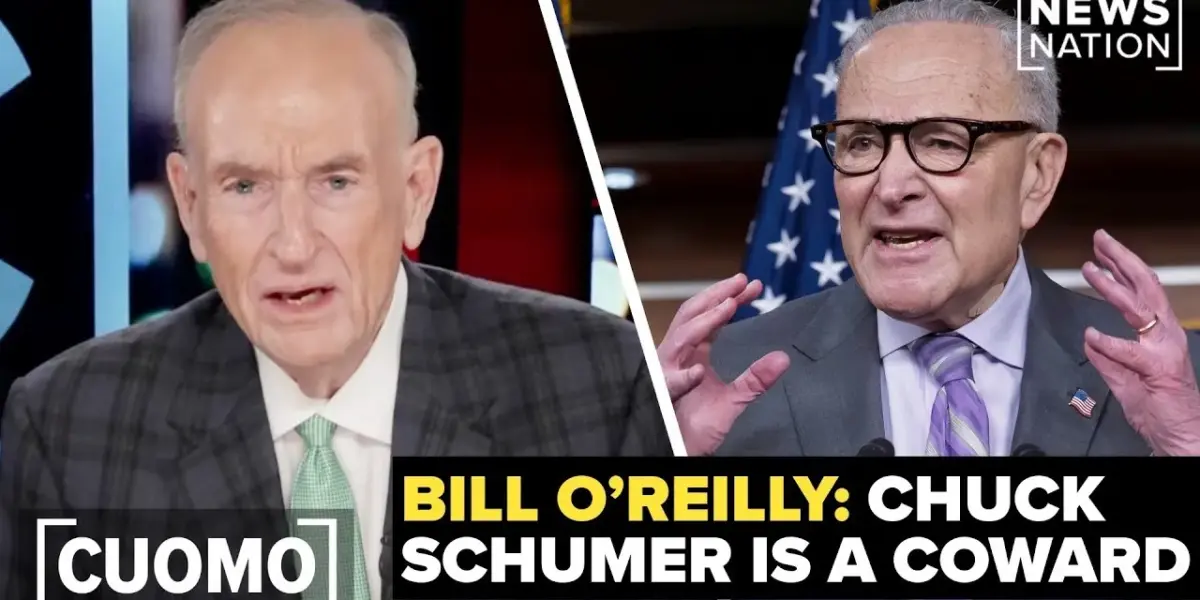
US Faces Diplomatic Hurdle with Iran Amidst Internal Political Rifts
The United States faces a complex challenge in its pursuit of dialogue with Iran, complicated by internal political divisions and uncertainty about Iran’s leadership structure. While the U.S. administration seeks to establish talks and secure global peace, the chaotic and often opaque nature of Iranian politics makes meaningful engagement difficult. This situation is further strained by domestic political disagreements within the United States, particularly concerning trust in presidential statements and the effectiveness of political leaders.
Iran’s Internal Chaos and External Ambitions
Discussions reveal that the United States desires a dialogue with Iran but struggles to identify clear interlocutors. The transcript suggests that multiple figures could emerge, making consistent communication challenging. A potential venue for these talks is Pakistan, with teams reportedly ready to engage. The U.S. aims to achieve objectives it deems necessary for world peace. However, the situation on the Iranian side is described as undefined and chaotic, with many individuals in hiding and some reportedly assassinated. The Revolutionary Guard appears to maintain control over missile and drone operations in the Strait of Hormuz, though they may face shortages of ordnance.
The China Factor and Economic Pressures
Adding another layer of complexity is the significant role of China. President Trump’s administration had sought to reduce Iran’s oil exports to China, a move that gained prominence during Trump’s visits to China. This strategy aimed to exert economic pressure on Iran. The transcript implies that this economic leverage is a key component of U.S. foreign policy towards Iran, seeking to influence its behavior through restricting its access to vital markets.
Domestic Political Squabbles Undermine Foreign Policy
The effectiveness of U.S. foreign policy is hampered by internal political divisions. The transcript highlights a deep skepticism towards presidential statements, with accusations of exaggeration and misinformation being common. This lack of unified trust makes it difficult for any administration to present a cohesive front on international issues. The discussion touches upon specific political figures, like Senate Majority Leader Chuck Schumer, who is criticized for perceived inaction or cowardice, particularly in relation to government shutdowns and unpaid federal workers. This internal political theater distracts from and potentially weakens the nation’s ability to conduct effective diplomacy abroad.
Historical Precedents of Mistrust and Deception
The conversation draws parallels to historical instances of political leaders allegedly misleading the public. Comparisons are made to past administrations, including those of George W. Bush, Barack Obama, and Bill Clinton, suggesting a pattern of political rhetoric that may not always align with reality. The example of Colin Powell’s statements regarding weapons of mass destruction in Iraq is cited as a significant instance where official pronouncements were later found to be inaccurate, fueling public distrust. This historical context suggests that skepticism towards government statements is not new but has become a persistent feature of American political discourse.
San Francisco’s Social Collapse and Political Apathy
A stark contrast is drawn between foreign policy challenges and the social issues plaguing American cities. The transcript provides a vivid, albeit biased, account of San Francisco’s perceived collapse, citing issues like drug addiction, illegal immigration, and rampant crime. The piece criticizes local and state leaders, including Nancy Pelosi, Gavin Newsom, and Kamala Harris, for allegedly ignoring or downplaying these problems. The presence of armed, undocumented drug gangs is highlighted as a direct consequence of sanctuary laws, fueling a massive fentanyl crisis. This situation is presented as a failure of governance, where visible problems are ignored by those in power, leading to a breakdown in social order.
The Erosion of Trust and Future Scenarios
The overarching theme is a profound erosion of trust – both in political leaders and in institutions. This distrust, fueled by perceived dishonesty and internal political battles, makes navigating complex international relations and addressing domestic crises exceedingly difficult. The future scenarios are uncertain, hinging on whether political actors can bridge divides and prioritize substantive policy over partisan politics. The transcript suggests a bleak outlook if current trends of division and mistrust continue, potentially weakening America’s standing on the global stage and its ability to solve pressing domestic issues.
Source: Bill O’Reilly: Chuck Schumer is coward despite his grip on Dems | CUOMO (YouTube)

Related Articles

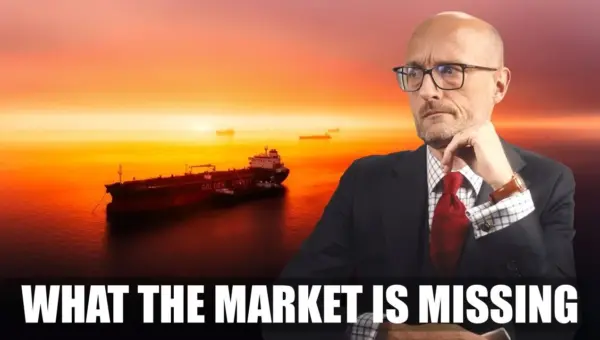
Stocks Ignore War Risks, Focus on “Taco Moments”
Stock markets appear to be overlooking the severe supply chain risks stemming from the Iran conflict, focusing instead on potential diplomatic de-escalations. While the S&P 500 shows resilience, bond and commodity markets signal deep concern over disruptions to critical resources like LNG, helium, and fertilizers.
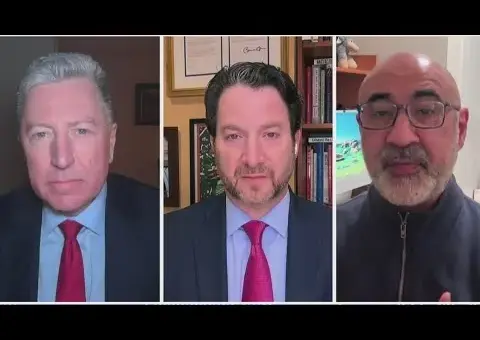
U.S. Iran Tensions Rise Amid Shifting Alliances
Rising tensions between the U.S. and Iran are creating a volatile geopolitical situation. With conflicting signals on de-escalation and potential shifts in alliances like NATO and U.S.-Israel relations, the path forward remains uncertain. The global economy and regional stability hang in the balance.

Iran Targets US With Cyberattacks, Escalating Digital Warfare
Iran is increasingly using cyberattacks to challenge the U.S., as seen in a recent hack of the FBI director's account. Experts say this is a strategic shift due to Iran's limitations in conventional warfare. The U.S. needs to strengthen its digital defenses, focusing on encryption and cloud computing, rather than solely relying on traditional security measures.