US Strikes Iran’s Military Might, Peace Talks Stall
The U.S. is intensifying military strikes against Iran's weapons facilities as diplomatic talks stall due to vastly different demands. John Bolton, former National Security Adviser, believes regime change is the only solution, while Iran seeks an end to all aggression. The conflict has global implications for oil markets and regional stability.

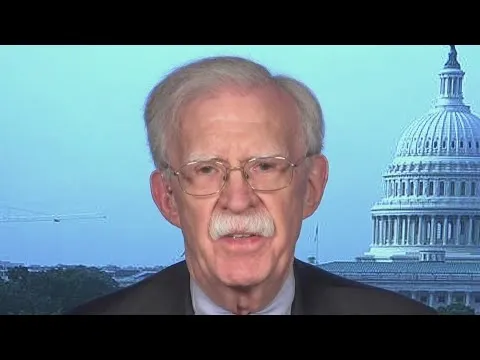
US Escalates Pressure on Iran Amid Stalled Negotiations
The United States is intensifying its military campaign against Iran, targeting key military and nuclear facilities. Meanwhile, diplomatic efforts to de-escalate tensions appear to be at a standstill, with both sides holding vastly different demands. This situation highlights a deep divide in objectives, suggesting a prolonged period of confrontation rather than a swift resolution.
Conflicting Demands and Deep Distrust
According to reports, the U.S. is seeking the complete dismantling of Iran’s main nuclear sites, an end to all uranium enrichment, and the suspension of its ballistic missile program. Additionally, Washington wants Iran to stop supporting proxy groups around the world and ensure the free passage of ships through the Strait of Hormuz. Iran, on the other hand, is reportedly demanding an end to all aggression and assassinations against it, along with reparations and the retention of control over the Strait of Hormuz.
John Bolton, former National Security Adviser, described the gap between these positions as immense. He stated that calling the current interactions ‘negotiations’ or even ‘serious conversation’ is a significant overstatement. Bolton believes both sides are mainly posturing. He emphasized that the U.S. objective should be regime change in Iran, arguing that without it, the current confrontational attitude from Tehran’s leadership will continue indefinitely.
U.S. Military Actions Target Iran’s Capabilities
Recent military actions have significantly impacted Iran’s military production. Admiral Bradley Cooper of CENTCOM reported that over two-thirds of Iran’s missile, drone, and naval production facilities and shipyards have been damaged or destroyed. Bolton indicated that this campaign is far from over, suggesting that military operations may continue for an extended period, possibly longer than the initial 4-6 week estimate. The goal is to systematically dismantle the Revolutionary Guard and its supporting forces.
Bolton also expressed confusion over why Iranian oil continues to be exported from the Gulf over the past four weeks. He speculated that a tanker carrying Iranian oil might have been allowed to leave, possibly to influence global oil prices. However, he questioned whether the proceeds from such sales would fund Iran’s activities, including actions against U.S. service members. He stressed the necessity of preventing any Iranian oil from leaving the Gulf via the Strait of Hormuz.
Historical Context and Policy Debates
The current situation echoes past U.S. policies toward Iran, particularly concerning its nuclear program and regional influence. The 2015 Joint Comprehensive Plan of Action (JCPOA), or Iran nuclear deal, aimed to limit Iran’s nuclear activities in exchange for sanctions relief. The Trump administration withdrew the U.S. from the JCPOA in 2018, reimposing strict sanctions. Bolton, who was part of that effort, believes the JCPOA was a bad deal for the U.S. and that attempting to make another deal with the current Iranian regime is a mistake.
He contrasted this with the Biden administration’s approach, which has sought to re-engage diplomatically. However, Bolton criticized the Biden administration’s policy on Iran, stating it was as flawed as the previous Obama administration’s policy. He believes the behavior of the Iranian regime cannot be changed through deals. For peace and security in the Middle East, Bolton argues that the Iranian regime itself must be eliminated.
Global Impact and Future Scenarios
The ongoing military pressure and diplomatic impasse have significant implications for global energy markets and regional stability. The Strait of Hormuz is a critical chokepoint for global oil supplies, and any disruption can lead to price volatility. The U.S. military presence in the region, including the deployment of a Marine Expeditionary Unit, signals a readiness for continued operations.
One possible future scenario is the continuation of military strikes until Iran’s production capabilities are severely degraded, potentially leading to internal destabilization within Iran. Another scenario involves a prolonged period of high tension and proxy conflicts in the Middle East. A less likely but possible outcome could be a renewed, albeit difficult, diplomatic effort if circumstances on the ground or international pressure shift significantly. The current trajectory, however, points towards sustained military pressure and continued distrust between the U.S. and Iran.
Source: John Bolton talks Iran's rejection of ceasefire | The Hill (YouTube)

Related Articles

G7 Allies Clash Over Iran War Strategy, Urge Focus on Russia
G7 foreign ministers met in Paris, revealing deep divisions over the U.S. war with Iran. European allies urged the U.S. to pressure Russia, linking its actions to the conflict and fearing support for Ukraine will wane.

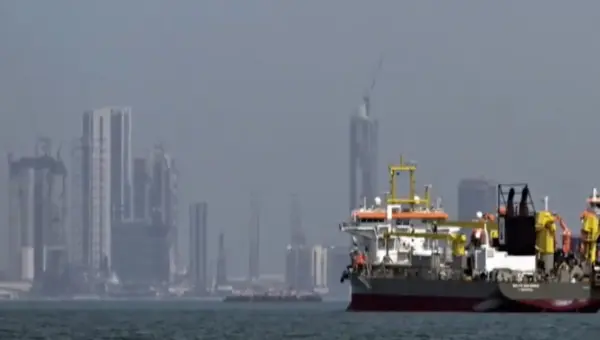
Iran Blocks China Ships, Exposing Beijing’s Weak Grip
Iran's recent decision to block Chinese ships at the Strait of Hormuz is exposing the limits of Beijing's influence in the Middle East. This action is causing delays and cancellations for Chinese manufacturers, turning a perceived geopolitical win into an economic strain.
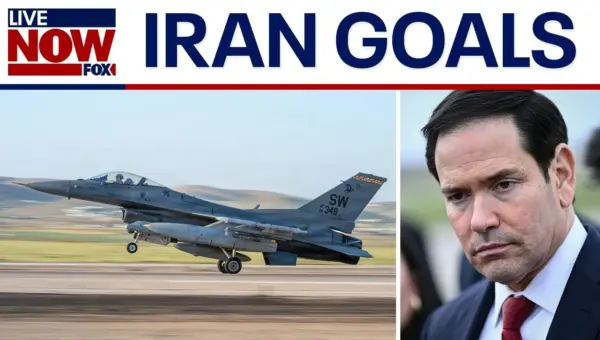
Rubio: US Can Achieve Iran War Goals Without Troops
Senator Marco Rubio outlined a strategy to counter Iran without deploying U.S. ground troops, focusing on weakening the regime and enhancing maritime security. He also criticized Cuba's economic system and expressed concerns about West Bank violence.