Middle East War Shifts Global Alliances, Weakens NATO
A new Middle East conflict, potentially involving the U.S. and Iran, is causing major global shifts. Russia benefits from rising oil prices, while NATO faces internal strain due to U.S. rhetoric. Support for Ukraine may also be impacted.

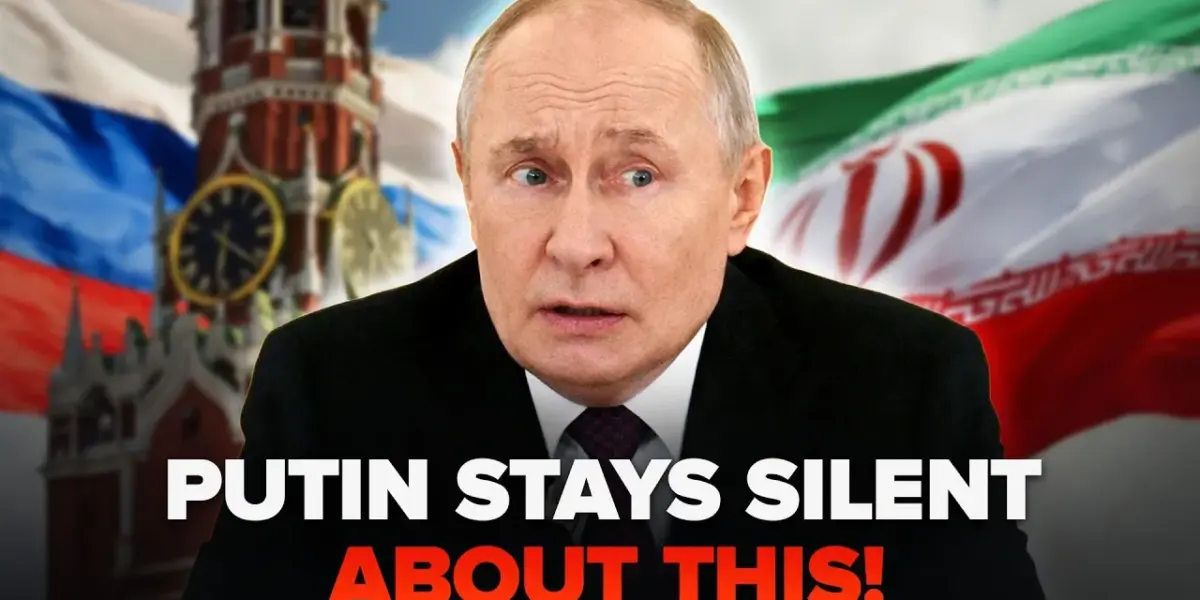
Middle East Conflict Fuels Geopolitical Realignment
A recent conflict in the Middle East, reportedly involving the United States and Iran, has triggered significant shifts in global alliances and raised concerns about the future strength of NATO. The war’s unclear objectives and potential repercussions are reshaping international relations, with Russia appearing to benefit from rising energy prices.
Uncertain Aims, Unforeseen Consequences
The motivations behind the U.S. engagement in the Middle East remain a subject of debate. While a stated aim was to enhance Israel’s security against Iran, the broader U.S. interests are less clear. Some analysts suggest the conflict may serve as a distraction from domestic issues, such as the Epstein scandal, or be linked to economic ties with Gulf States. However, the long-term strategic benefits for the U.S. under the current administration are not well-defined.
A key concern is that the war might not achieve its intended goals. If the current Iranian regime remains in power and continues its aggressive stance, the conflict’s aims will likely not be met. This could lead to a public relations victory for the White House, rather than a genuine strategic success. The potential for domestic consequences, such as rising energy prices, also complicates the situation, especially with upcoming congressional elections where voters might penalize the Republican party.
The longer the war lasts and the longer the oil price is up, the more economic consequences it will have. It has unfortunately also positive economic consequences for Russia as an oil and gas exporting country.
Russia’s Strategic Advantage
Russia appears to be a significant beneficiary of the conflict. Rising oil and gas prices, directly linked to the war, undermine sanctions imposed on Moscow. This economic boost provides Russia with greater financial resources, potentially strengthening its position despite its strategic partnership with Iran. However, the conflict also presents a reputational challenge for Russia. Allies like Iran, Syria, and Venezuela have found themselves in difficult situations without substantial support from Moscow, raising questions about the reliability of Russia as an ally.
NATO’s Future Under Strain
Statements from the U.S. president characterizing NATO as a “paper tiger” without American involvement have highlighted existing tensions within the alliance. While NATO’s strength is undeniably linked to U.S. leadership, the assertion that it is merely a “paper tiger” is seen as an oversimplification. The U.S. has historically shaped NATO’s direction, leading other member states to invest less in their own defense. A reduced U.S. commitment could significantly weaken the alliance, altering its military posture and potentially increasing the risk of escalation in various global regions.
Article 5 of the NATO treaty, which mandates collective defense in case of an attack on a member state, is a cornerstone of the alliance. Any questioning of its strength, potentially stemming from U.S. frustration with European partners’ engagement in the Middle East conflict, could diminish NATO’s deterrent capability. This, in turn, could raise the danger of conflict in Eastern Europe and beyond.
Ukraine’s Support in Question
The conflict in the Middle East has also raised concerns about continued support for Ukraine. The U.S. president has previously suggested withdrawing from negotiations and reducing aid. While Ukraine remains popular among many Americans, including Republican voters, the administration’s focus on the Middle East war could divert attention and resources from the ongoing conflict in Eastern Europe. This includes crucial military technology, such as Patriot missiles, which are also vital for Ukraine’s defense.
The U.S. president’s stance on Ukraine’s willingness to pursue peace talks, suggesting Ukraine is unwilling while Putin is ready, is viewed with skepticism. It is argued that Putin’s position, demanding territorial concessions, remains unchanged. The U.S. president appears to believe Ukraine, as the perceived weaker party, should make concessions, despite Ukraine having already shown flexibility by agreeing to ceasefires. Furthermore, the rejection of Ukrainian offers for technological assistance, such as drone defense technology, is seen as a psychological block, preventing the acknowledgment that the U.S. could benefit from Ukraine’s expertise.
Strategic Implications
The unfolding situation in the Middle East has far-reaching consequences. The conflict’s unclear objectives and the potential for prolonged instability create an unpredictable international environment. Russia’s strategic gains from increased energy prices, coupled with the strain on NATO’s cohesion, suggest a shift in the global power balance. The implications for Ukraine’s defense and the broader European security architecture are significant, demanding careful diplomatic and strategic consideration.
Source: ⚡️Putin outplayed Trump! Kremlin went all-in after attack on Iran. This changes everything about war (YouTube)

Related Articles
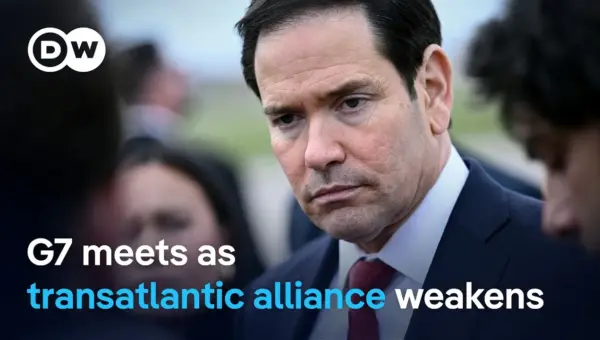
G7 Allies Clash Over Iran War Strategy, Urge Focus on Russia
G7 foreign ministers met in Paris, revealing deep divisions over the U.S. war with Iran. European allies urged the U.S. to pressure Russia, linking its actions to the conflict and fearing support for Ukraine will wane.

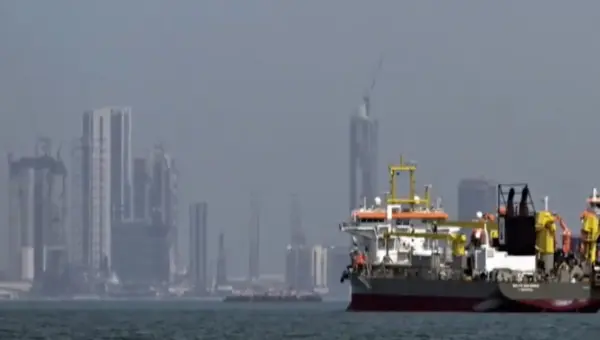
Iran Blocks China Ships, Exposing Beijing’s Weak Grip
Iran's recent decision to block Chinese ships at the Strait of Hormuz is exposing the limits of Beijing's influence in the Middle East. This action is causing delays and cancellations for Chinese manufacturers, turning a perceived geopolitical win into an economic strain.
Trump’s “Walk Away” Tactic Signals Tougher Stance on China
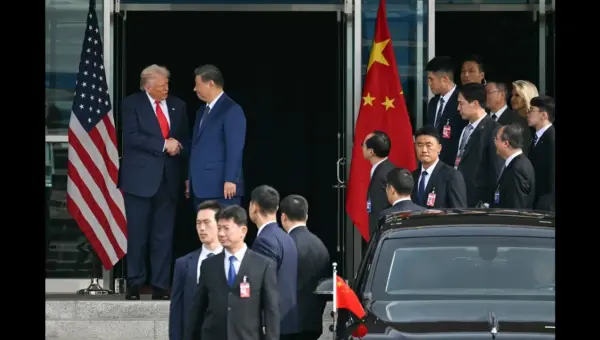
Retired Air Force Brigadier General David Stillwell believes President Trump's strategy of being willing to walk away from negotiations puts pressure on China. This tactic, combined with US global actions and strengthened alliances, signals a more assertive American foreign policy.