Iran Diplomacy Falters, US Threatens Harsher Strikes
The U.S. has issued a strong warning to Iran, threatening harsher military action if ceasefire negotiations fail. Iran has rejected a U.S. peace proposal and countered with its own demands, including control over the Strait of Hormuz. This diplomatic stalemate coincides with troop deployments and raises concerns about a potential ground conflict and its devastating humanitarian and economic consequences.

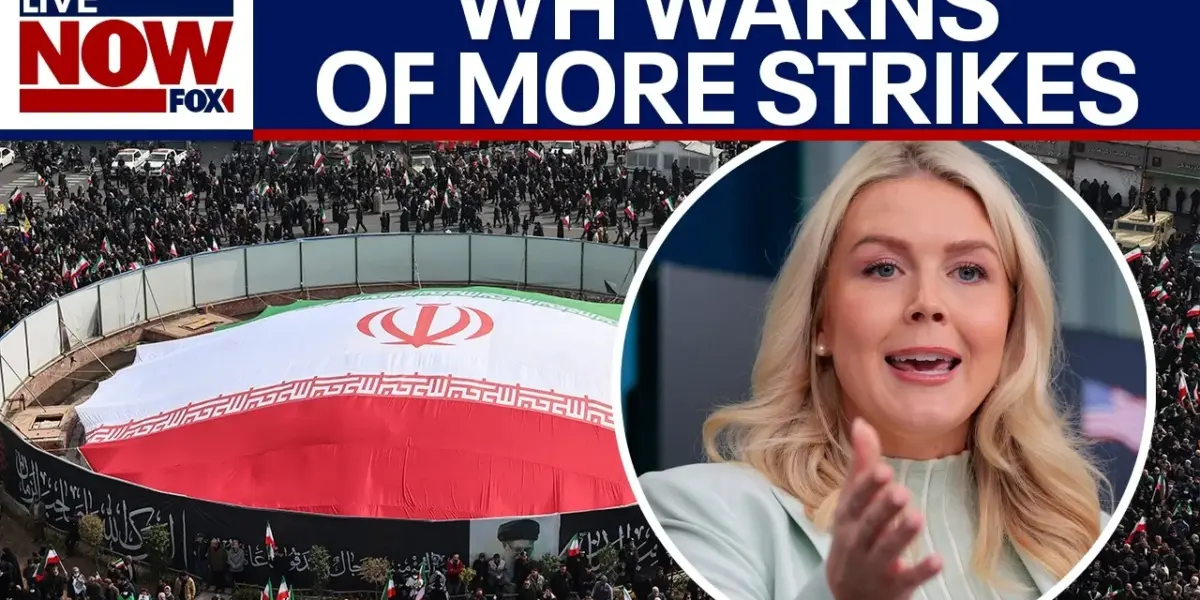
US-Iran Tensions Escalate Amid Failed Diplomacy
The United States has issued a stark warning to Iran, signaling that a failure to engage in successful ceasefire negotiations could lead to significantly intensified military action. President Trump has stated he is prepared to retaliate with unprecedented force if diplomatic efforts prove unsuccessful. This comes as reports emerge of a proposed 15-point peace plan from the U.S. being rejected by Iran, which has countered with its own conditions, including sovereignty over the crucial Strait of Hormuz. White House Press Secretary Caroline Levit offered limited details on the U.S. proposal, cautioning that initial reports were not entirely accurate.
Iran’s Rejection and Counter-Proposal
According to Iranian state-run media, the U.S. proposal has been met with a firm rejection. Iran has put forth five specific conditions for any potential agreement. Key among these is Iran’s demand for full sovereignty over the Strait of Hormuz, a vital waterway through which a significant portion of the world’s oil supply passes. Iran’s Foreign Minister has publicly stated that the country has no intention of entering into negotiations with the U.S. at this time, sending a clear signal that Tehran is not prepared to meet Washington’s demands.
Differing Views on Resolution
While the administration faces Iranian resistance, some U.S. officials express cautious optimism. House Speaker Mike Johnson suggested that a resolution might be nearing, referring to the ongoing military operations as “Operation Epic Fury” and indicating a belief that it will conclude soon. However, the deployment of approximately 1,500 U.S. troops from the 82nd Airborne Division to the region raises questions about the White House’s assessment of the conflict’s trajectory. These troops are typically deployed at the outset of conflicts, prompting speculation about whether the administration views the conflict as winding down or merely changing its form.
Public Opinion and Economic Impact
Recent polling by Fox News indicates a divided American public regarding the military actions in Iran. Fifty-eight percent of registered voters oppose the current U.S. military involvement, with 44% believing these actions will ultimately make the United States less safe. The economic repercussions are also a growing concern. The administration claims to be developing strategies to maintain stable oil prices. However, some industries are already anticipating the effects. The U.S. Postal Service, for example, is seeking approval for an 8% fuel surcharge on deliveries, set to take effect on April 26th, highlighting the broader economic consequences of the regional instability.
Analysis of the Diplomatic Stalemate
Dr. Benjamin Rod, a political scientist from UCLA, characterized the U.S. proposal not as a peace plan, but as a “wish list.” He explained that Iran’s demands for abandoning nuclear enrichment, halting ballistic missile development, and ceasing support for proxy groups are fundamental pillars of the Islamic Republic. Including demands like recognizing Israel’s existence, he argued, makes these points non-starters for any serious negotiation. Dr. Rod believes both sides are attempting to buy time rather than genuinely engage in diplomacy. For the U.S., this allows time to strategize potential next steps, which may include ground operations, given troop movements. For Iran, it allows them to continue economic warfare by disrupting shipping through the Strait of Hormuz and attacking regional allies, thereby increasing the conflict’s economic cost and pressuring the U.S.
“I mean, those are all three of those are non-starter positions. And then you add on things like, you know, recognizing the existence of Israel. Again, these are like fundamental pillars to the Islamic Republic, both in terms of ideology and politics and and um international how it approaches international relations. So, it it it was obvious that these were going to be non-starter positions. Uh which is why I call it more of a wish list than it really um starting point for negotiations.”
Troop Deployments and Strategic Implications
The movement of troops, including the 82nd Airborne Division, suggests a potential shift towards more direct military engagement. Dr. Rod noted that such mobilizations often precede kinetic military action. He suggested that this troop buildup could be a tactic to apply pressure, a form of “shotgun diplomacy,” to force Iran to negotiate. The U.S. might be signaling its capability to seize control of Kar Island, thereby cutting off Iran’s primary revenue source from oil exports. This action would cripple the regime’s ability to fund its operations and the war effort, compelling Iran to negotiate from a position more favorable to the United States. A ground offensive, if initiated, could realistically last from several weeks to two to three months, depending on Iran’s counterinsurgency capabilities.
Humanitarian Toll and Regional Destabilization
The conflict has already resulted in a significant humanitarian toll. Over 1,500 people have been reported killed in Iran, with over a thousand in Lebanon, 16 in Israel, and 13 U.S. service members. Millions have been displaced in Lebanon and Iran. The operations in Lebanon, particularly in southern Beirut, have had a devastating impact on the country, leading to frustration among the Lebanese population towards Hezbollah for drawing them into another conflict. While casualty numbers in Iran are difficult to ascertain fully, with uncertainty about how many are regime officials or paramilitary forces, there is a reported determination among some Iranians to see the current regime removed. However, Dr. Rod cautioned that this sentiment could change if the economic situation worsens significantly, particularly if access to oil revenue is impacted.
Looking Ahead: Gulf State Involvement
An op-ed in the Wall Street Journal by the UAE’s ambassador to the United Nations strongly condemned Iran, holding it responsible for the ongoing conflict and its broader destabilizing actions. This commentary raises the question of whether Gulf states, who have largely remained on the sidelines, will increase their involvement. Their potential shift from passive observers to active participants could significantly alter the dynamics of the conflict moving forward. Observers will be watching closely for any signs of increased direct or military action from these regional powers.
Source: Middle East update: Future Iran strikes tied to diplomacy outcome (YouTube)

Related Articles


Mexico Navigates US-China Rivalry
Mexico is caught in a geopolitical tug-of-war between the United States and China. The nation must carefully balance its economic needs and strategic interests with both superpowers. This situation highlights Mexico's growing importance in global affairs.
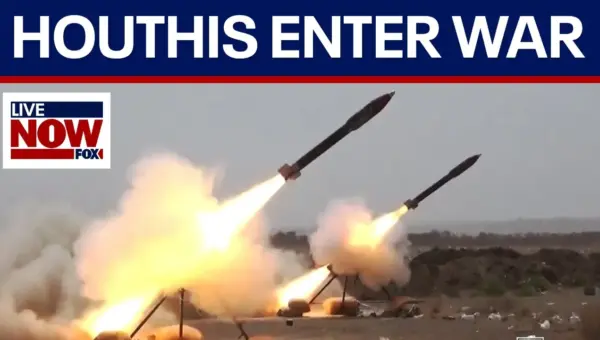
Iran-Backed Houthis Strike Israel, Escalating Regional Tensions
Iran-backed Houthi rebels have launched a missile attack targeting Israel, marking their first such strike since the current Middle East conflict began. The Israeli military confirmed the interception of the projectile. Analysts view this action as part of Iran's broader regional strategy, highlighting the regime's reliance on proxy forces amid internal weaknesses.


Iran Extends Strait of Hormuz Deadline Amid Global Oil Tensions
The U.S. has granted Iran a 10-day extension to reopen the Strait of Hormuz, a critical global oil route. This move comes amid complex negotiations, military actions, and concerns over Iran's strategic leverage and resilience. Lawmakers express frustration over the lack of a clear strategy and potential escalation.