DOJ Accused of Hiding Evidence in Heinous Cases
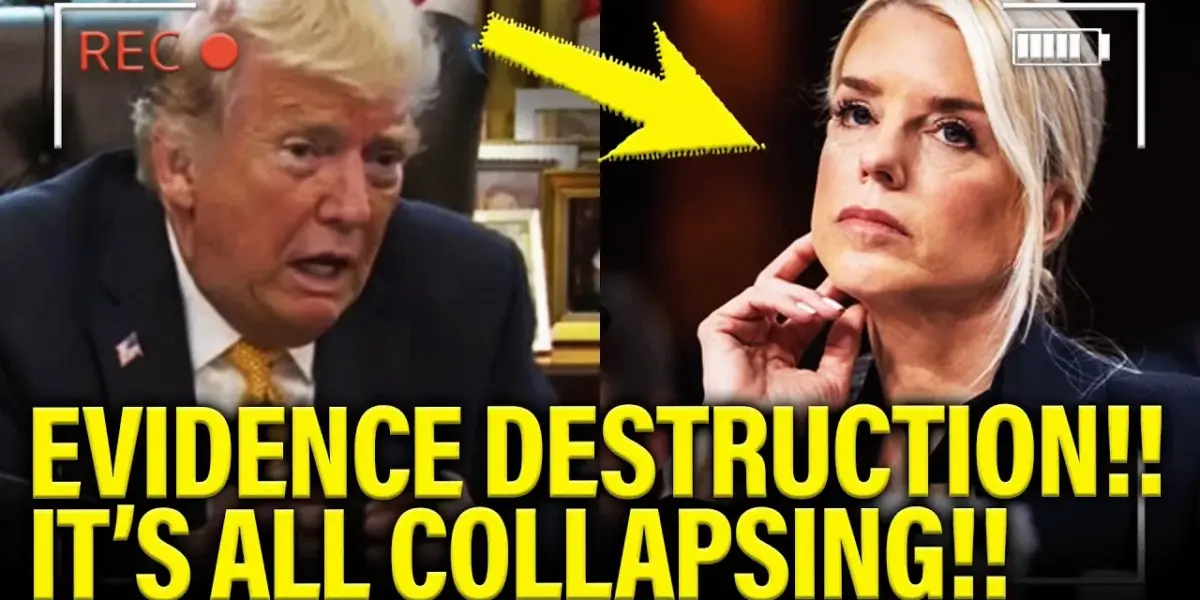
The Department of Justice is accused of a pattern of hiding evidence in cases ranging from civil litigation to fatal incidents involving federal officers. A lawsuit by Minnesota highlights the struggle for transparency and accountability when federal agencies allegedly obstruct investigations.

DOJ Accused of Hiding Evidence in Heinous Cases
The Department of Justice (DOJ) is facing serious accusations of deliberately hiding or withholding evidence in several high-profile cases. This practice, if true, undermines the justice system and prevents full accountability. The allegations suggest a pattern of behavior aimed at slowing down legal processes and obscuring facts, rather than seeking the truth.
The Don Lemon Case Example
One case mentioned is the Don Lemon situation. Although the alleged incident happened in Minnesota, Lemon was arrested in California. Critics point out that the Trump administration’s DOJ has been accused of delaying the handover of evidence in this case. They allegedly sought to extend the legal process by using tactics like complex designations and superseding indictments to add more people to charges.
A Pattern of Delay?
This tactic of delaying evidence production is compared to how Donald Trump allegedly handled civil lawsuits he filed. As a plaintiff, he would often file lawsuits, get media attention, and then delay discovery, depositions, and document production. The goal, it is suggested, was to overwhelm opponents with delays and legal costs, leading to settlements or the cases simply fading from public memory.
Immigration Cases and Lack of Evidence
The transcript also highlights issues in immigration cases. Reports indicate that after individuals were detained by ICE and Border Patrol, their cases would begin. However, the necessary declarations and affidavits to support the claims against these individuals were allegedly not submitted. Judges were then left with no evidence to justify detaining people, leading to cases being dropped.
Deaths in Detention Centers
The situation becomes even more troubling when considering deaths that have occurred in detention centers and during federal operations. In cases like the deaths of Renee Gude and Alex Frei in Minnesota, federal authorities allegedly seized all evidence immediately. They then reportedly refused to cooperate with state and local law enforcement, preventing joint investigations.
Minnesota’s Lawsuit Against the DOJ
This alleged stonewalling has led to a federal civil lawsuit filed by the state of Minnesota against the Trump administration’s DOJ. Minnesota is seeking a court order to force the handover of records related to the deaths of Gude and Frei. The state argues that the DOJ’s refusal to share investigative materials is arbitrary and capricious.
The state of Minnesota has filed a federal civil lawsuit against the Trump regime. They’re seeking a court order to force the regime to hand over records about the murders of Good and Pry. The suit asks a judge to declare that defendants policies or practices of refusing to share investigative materials with Minnesota authorities concerning the federal officer involved shootings arising out of operation metro surge is arbitrary and capricious.
Challenges in Obtaining Evidence
Obtaining evidence from federal agencies can be difficult, especially when cooperation is lacking. Regulations like the TUI (Transfer of Information) rules are supposed to facilitate information sharing. However, in the Gude and Frei case, Minnesota’s requests to the Department of Homeland Security for evidence, such as the car involved, were reportedly met with a directive to go to the DOJ. The DOJ, in turn, has allegedly not responded to Minnesota’s requests, creating a bureaucratic maze.
The Role of Federalism and Sovereignty
The DOJ is expected to uphold justice. However, when federal agencies allegedly obstruct investigations, it raises questions about their true motives. The argument that federal officers are not subject to state oversight due to federalism and the Tenth Amendment is a complex legal point. Minnesota believes its sovereign interests are being ignored.
Historical Context and Legal Precedents
In past cases, such as the Rodney King incident, obtaining evidence was challenging, but there was a path forward. In more recent times, the proliferation of video evidence has often aided investigations. However, the alleged actions by the DOJ in the Gude and Frei case, such as withholding key evidence like the vehicle and forensic materials, make the path to justice significantly harder.
Why This Matters
This situation is critical because it speaks to the core principles of justice and accountability. When a government agency, particularly the DOJ, is accused of deliberately hiding evidence, it erodes public trust. It suggests that political considerations may be prioritized over the pursuit of truth and justice. The ability of state and local authorities to investigate incidents within their jurisdiction is also paramount. If federal agencies can simply refuse to cooperate and obstruct investigations, it creates a dangerous imbalance and leaves victims and their families without recourse.
Implications and Future Outlook
The outcome of Minnesota’s lawsuit could set an important precedent. If the DOJ is found to have intentionally obstructed justice by withholding evidence, it could lead to significant reforms. It might also encourage other states to pursue legal action if they face similar roadblocks. The long-term implication is a potential strengthening or weakening of the checks and balances between federal and state authorities. The public’s faith in the justice system is on the line, and a resolution that upholds transparency and accountability is essential.
Conclusion
The accusations against the DOJ regarding evidence concealment are grave. The comparison to past practices and the current lawsuit highlight a disturbing trend. The demand for evidence is simple: transparency and a commitment to justice for all, regardless of who is involved. The legal battles ahead will likely be complex, but the principle at stake – ensuring that justice is served through open and honest processes – is fundamental.
Source: Trump DELETES EVIDENCE as DOJ in FULL COLLAPSE!! (YouTube)

Related Articles

Workers Unite: Millions Demand Government Accountability
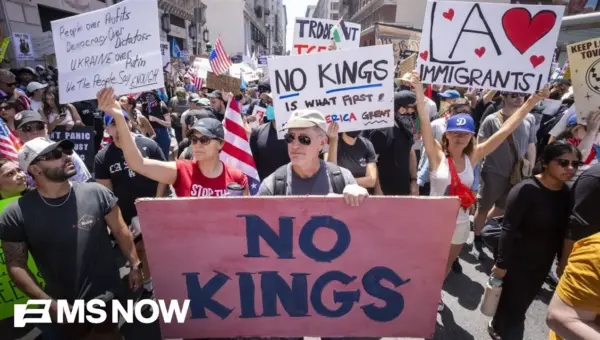
Millions of Americans are protesting, driven by anger and fear over the country's direction, healthcare access, and economic security. A diverse coalition, including union members and conservatives, is demanding government accountability and truthfulness. Organizers see a significant shift in momentum as citizens feel empowered to fight for change.


DOJ Pays Millions to Ally: Is This Legal?
A $1.2 million payout from the DOJ to Mike Flynn, a former Trump ally, has sparked outrage and questions about legality and oversight. Critics fear a pattern of "grift and corruption," while calls for accountability echo historical precedents.


Trump’s Legal Battles: Cases Crumble, Appeals for Funds Fail
The Department of Justice (DOJ) is facing accusations of partisanship and incompetence following a series of failed prosecutions targeting individuals on Donald Trump's 'enemies list.' Despite repeated losses in court, officials like Attorney General Bondi are reportedly continuing to pursue similar legal strategies, raising concerns about fairness and adherence to the law. Meanwhile, questions surround a million-dollar payment to former Trump ally Michael Flynn and Trump's past failed attempt to secure millions in taxpayer funds.