US Agencies Face Scrutiny Over Cold Case
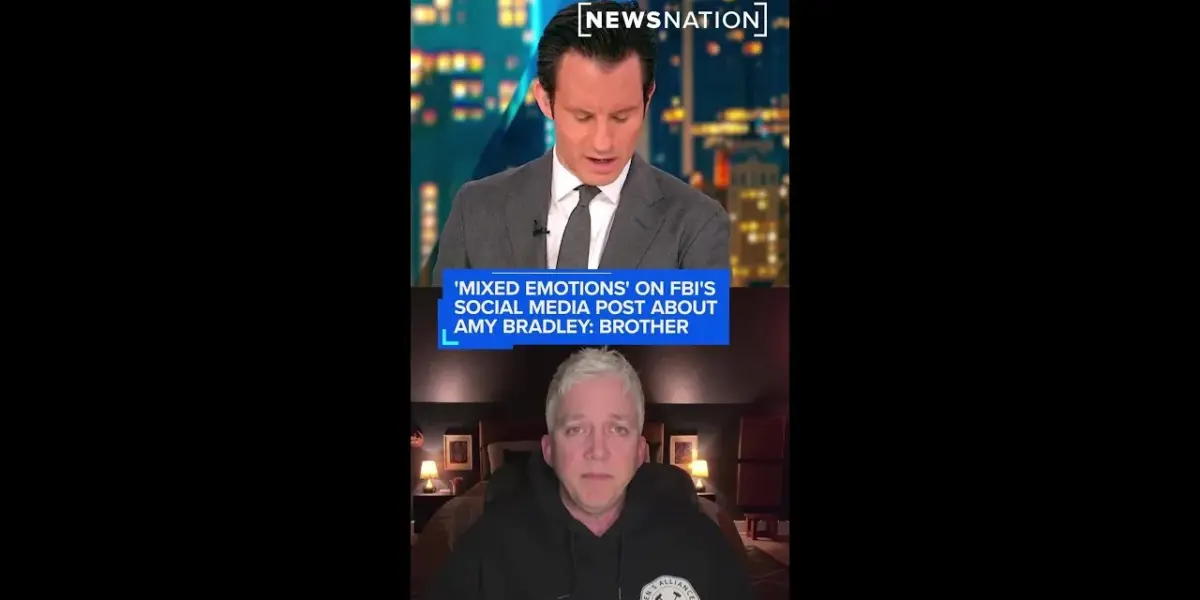
Amy Bradley's brother expresses mixed feelings about the FBI's recent social media post offering a $25,000 reward for information. He questions the use of outdated photos and the stagnant reward amount, comparing it unfavorably to other cases. The family seeks greater involvement from the State Department and lawmakers, citing a lack of communication.

FBI’s Social Media Effort Draws Mixed Reactions
The FBI recently used social media to announce a $25,000 reward for information in the Amy Bradley case. This move has brought mixed feelings from Amy’s brother. While he is thankful for the effort to raise awareness, he also feels it’s not enough. He believes the FBI could do more to find Amy.
Concerns About Investigation Tactics
Amy’s brother expressed disappointment with the age-progression photos used. These images are over a decade old and have not been updated. He also pointed out that the reward amount has not increased. He compared this to the Nancy Guthrie case, where rewards were raised quickly. This makes him feel that their requests to increase Amy’s reward have been ignored.
Calls for Greater State Department and Lawmaker Involvement
The brother also questioned the involvement of the State Department and lawmakers. He wants to know if these government bodies are actively working on Amy’s case. He feels there is a lack of communication from the FBI. This silence leaves the family uncertain about the investigation’s progress.
The Amy Bradley Case: A Brief Overview
Amy Bradley disappeared in March 1998. She was last seen on a cruise ship sailing from Florida to the Bahamas. Her family has been searching for her ever since. The case has remained a mystery for over two decades. The FBI’s recent social media post is part of ongoing efforts to gather new leads.
The Role of Rewards and Public Awareness
Rewards can be a powerful tool in solving cold cases. A higher reward can encourage more people to come forward with information. The brother’s comparison to the Nancy Guthrie case highlights this point. In that situation, increased rewards led to faster developments. For Amy’s case, the family believes a higher reward could motivate someone to share a crucial detail.
Challenges in Cold Case Investigations
Cold cases are often difficult to solve. Evidence can degrade over time. Witnesses may forget details or become unavailable. Law enforcement agencies face many challenges in reopening and reinvestigating old cases. However, new technology and public engagement can sometimes provide the breakthrough needed.
Seeking Answers and Justice
The family of Amy Bradley continues to seek answers. They are frustrated by the slow pace of the investigation. They hope that renewed public attention will help bring them closer to finding Amy. The FBI’s social media post, despite the criticisms, does aim to keep the case in the public eye.
Why This Reshapes the World Order
While this specific case might seem local, it touches on larger issues. It highlights how families of missing persons interact with law enforcement. It also shows the power and limitations of social media in investigations. The lack of communication and perceived inaction can strain trust between the public and government agencies. This can lead to broader questions about accountability and transparency in how difficult cases are handled.
Historical Context
The use of rewards to solve crimes has a long history. From old wanted posters to modern media campaigns, authorities have always sought public help. The internet and social media have changed how this information is spread. However, the core challenge remains: finding someone who knows something and is willing to talk.
Economic Leverage and Incentives
The $25,000 reward is a form of economic incentive. The family’s request to raise it shows how money can be used to motivate action. In many cases, a larger sum can overcome fear or hesitation. This highlights the economic aspect of seeking justice and information.
Future Scenarios
One scenario is that the social media post generates new, actionable leads. This could lead to a breakthrough in the case. Another possibility is that the post increases public awareness but does not yield new information. The family may continue to advocate for more resources and higher rewards. A third scenario involves increased involvement from lawmakers and the State Department, pushing for a more thorough review of the investigation.
Source: 'Mixed emotions' on FBI's social media post about Amy Bradley: Brother (YouTube)

Related Articles

Mother’s 24-Year Absence Ends in Courtroom Reunion
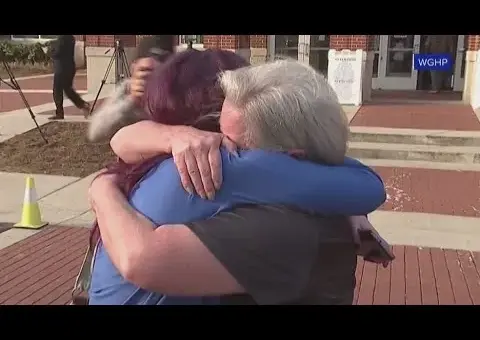
A mother who vanished 24 years ago has been reunited with her daughter in an emotional encounter outside a North Carolina courthouse. Michelle disappeared in 2001, leaving her family searching for over two decades. She was found last month and recently appeared in court, leading to a tearful reunion with her daughter, Amanda.

Iran Hacks FBI Chief, Exposing U.S. Cyber Vulnerabilities
A recent hack of FBI Director Kash Patel's personal email by an Iran-linked group highlights Iran's growing cyber threat to the U.S. Experts explain how simple security oversights are exploited, emphasizing the need for basic defenses like two-factor authentication to protect against propaganda and potential infrastructure attacks.

Trump’s Iran War Plans Criticized Amid Border Funding Standoff
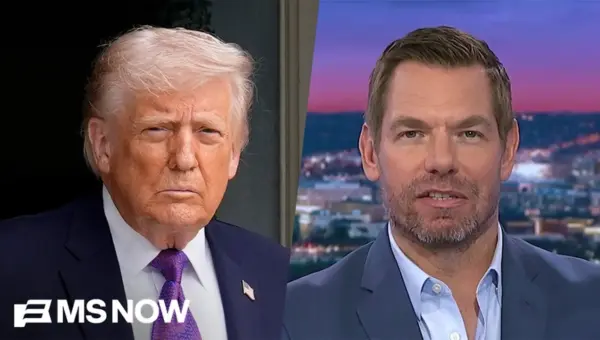
Lawmakers and analysts are criticizing the Trump administration's handling of the Iran conflict and its approach to border funding, arguing that a lack of clear planning and a focus on political battles are making the U.S. less safe. Concerns are particularly high regarding the FBI's priorities and the potential impact of these issues on national security.