Big Tech Faces Reckoning: Courts Hold Giants Accountable for Child Harm
A California jury has found Meta and Google liable for addicting children and harming their health, awarding $6 million in damages. This landmark verdict, drawing parallels to Big Tobacco lawsuits, signals a potential shift in Big Tech accountability and is spurring calls for legislative action.

Big Tech Faces Reckoning: Courts Hold Giants Accountable for Child Harm
A historic jury verdict in California has sent shockwaves through the tech industry, holding social media giants Meta (owner of Instagram) and Google (owner of YouTube) liable for addicting children and harming their health. This landmark ruling is the first of its kind and signals a potential turning point in the long-standing debate over Big Tech’s responsibility for the impact of its platforms on young users.
A Young Woman’s Fight for Accountability
The case was brought by a young woman, identified in court as “Kaylee.” She testified that her social media addiction began at age 6, and by age 9, she was spending all day, every day, scrolling through Instagram, unable to stop. The jury agreed that this addiction was by design, finding Meta and Google responsible for addictive features like autoplay and infinite scroll feeds. They awarded Kaylee $6 million in damages, a sum that, while life-changing for her, is a tiny fraction of the profits these companies make.
Profits Over People?
Meta and Google have stated they disagree with the verdict and are considering appeals. For these tech giants, the $6 million award is barely a rounding error. In the time it took for this report to broadcast, Meta and Google each earned more than $6 million. This stark financial reality highlights the core of the legal battles: whether these companies prioritize profits over the well-being of their users, especially children.
Echoes of Big Tobacco
Legal experts and advocates are drawing parallels between these lawsuits and the historic legal fights against the tobacco industry. Just as courts eventually held tobacco companies accountable for the health consequences of their products, this verdict suggests social media platforms may face similar scrutiny. This case is seen as the first of potentially thousands of lawsuits aiming to hold tech companies responsible.
A Call for Legislative Action
Outside the courthouse, parents celebrated the victory and immediately turned their attention to Washington D.C. They are demanding legislative action to protect children online. “We don’t want any more hearings. We don’t want any more watered-down bills. We don’t want any more shielding Big Tech,” stated one parent, emphasizing the urgency for lawmakers to act. “Enough is enough. We want them to do their jobs and keep American families safe.”
Congress Responds to the Verdict
The message appears to be reaching Capitol Hill. Senator Josh Hawley, a vocal critic of Big Tech, reacted to the verdict on X, formerly Twitter. He stated, “For years, the scumbags at social media companies have ruined kids’ lives and made billions off it. Today, they got caught. Now Congress needs to find some courage and do its job to protect more kids from these con artists.”
The Whistleblower’s Perspective
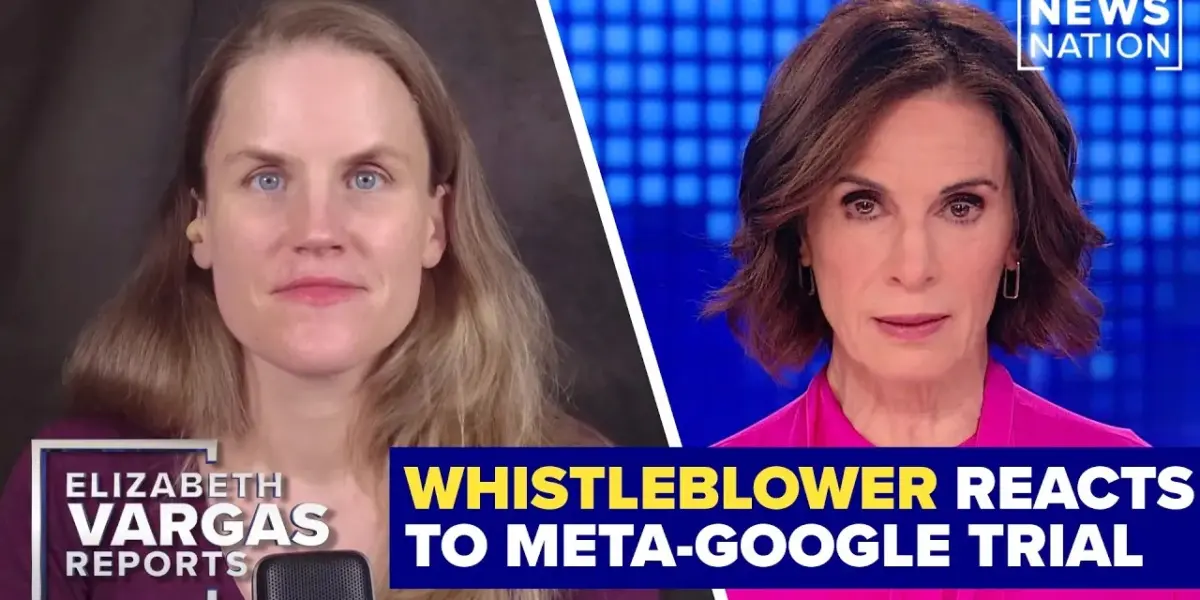
Frances Haugen, a former Facebook algorithm manager turned whistleblower, who testified before Congress in 2021, shared her reaction. Haugen’s earlier testimony, based on thousands of internal Facebook documents, revealed that the company knew its platforms were harmful and proceeded anyway. She described the California verdict as a culmination of years of hard work by many people. Haugen noted that while she brought forward thousands of pages of documents, the jury sifted through millions, concluding that the companies knew they needed to do more but chose profits over people.
Beyond Individual Cases: Systemic Change?
While the $6 million award to Kaylee is significant for her, Haugen acknowledges it’s a small amount for Big Tech. However, she pointed to another case in New Mexico, where authorities brought forward evidence of child trafficking on Facebook and the company’s alleged turning a blind eye. This case, which involves a potential $300 billion award if scaled to the U.S. population, represents a much larger financial threat. Haugen believes these cases send a powerful message that companies cannot put children in harm’s way and expect no consequences.
Why Don’t More People Speak Out?
When asked why more individuals within these companies don’t become whistleblowers, Haugen explained that internal systems often discourage questioning. She mentioned that only a very small number of people are even given the space to ask critical questions about potential harms. The individualized experience of social media also makes it easy for those in safe environments to dismiss the dangers others face. Haugen stated that it was easy for the company to ignore the harm because kids were getting hurt.
Designing Safer Social Media
Haugen believes that addressing the harm caused by social media doesn’t require giving up on its positive aspects. Instead, she suggests designing safer platforms by giving users more control. For instance, algorithms could be designed to detect when a user is engaging with harmful content, like self-harm material. The platform could then offer the user the choice to stop seeing such content. Haugen emphasized that these small changes could help people step back from dangerous online paths, acknowledging that while social media has positively impacted many lives, the needs of vulnerable children must also be prioritized.
Global Impact
This verdict and the growing number of lawsuits represent a significant challenge to the dominance of Big Tech. It opens the door for regulatory changes and more stringent oversight of social media platforms worldwide. The comparison to Big Tobacco suggests a potential long-term shift in how society views and regulates these powerful digital companies. Governments globally may reconsider their approaches to platform accountability, potentially leading to new laws and stricter enforcement mechanisms.
Why This Reshapes the World Order
For decades, Big Tech has operated with relatively little oversight, growing into some of the most powerful entities in the global economy. This verdict, however, marks a moment where their power is being questioned in a tangible, legal way. It suggests a move away from an era of unchecked digital expansion toward one where accountability is paramount. This could lead to a more balanced digital landscape, where user safety, especially for children, is integrated into the core design and business practices of technology companies, influencing not just US policy but potentially global standards for digital governance.
Source: Facebook whistleblower reacts to Meta, Google being found liable in trial | Elizabeth Vargas Reports (YouTube)

Related Articles


Epstein Survivors Sue U.S. Government Over Data Release
Epstein survivors have filed a historic class-action lawsuit against the U.S. government and Google. They allege the Trump administration carelessly released Epstein files, exposing victims' private information. The suit claims Google profited from this data, leading to further retraumatization.

Social Media Giants Face Lawsuits Over Addictive Designs
Tech giants Meta and Google are facing significant legal challenges as juries find them liable for the addictive design of their platforms and the harm caused to young users. Recent verdicts in California and New Mexico have ordered the companies to pay millions in damages, highlighting concerns over mental health impacts and child exploitation.


Meta, YouTube Lose Landmark Cases Over Teen Harm
Meta and YouTube have been found liable in landmark cases alleging their platforms contribute to harm among teenage users. Juries saw through company denials after prosecutors presented damning internal documents showing awareness of negative impacts. This ruling could lead to significant changes in how social media companies are held accountable.