Iran Rejects Ceasefire: US Escalates Strikes
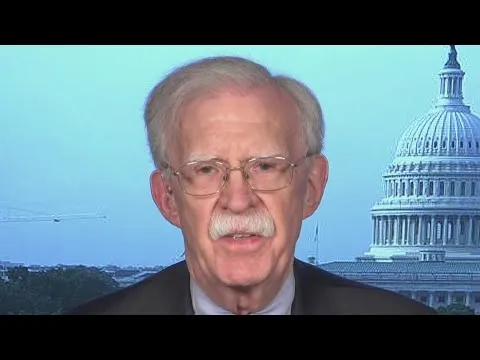
Talks between the U.S. and Iran have stalled, with the U.S. seeking to dismantle Iran's nuclear program and ballistic missile capabilities. Meanwhile, the U.S. military has intensified strikes on Iranian facilities, aiming to cripple its military infrastructure. John Bolton argues that only regime change can truly address the threat posed by Iran.

Iran Rejects Ceasefire: US Escalates Strikes
Talks between the United States and Iran have stalled, with both sides far apart on key issues. The U.S. wants Iran to dismantle its main nuclear sites, stop all uranium enrichment, and end its ballistic missile program. It also wants Iran to stop supporting groups around the world and to reopen the Strait of Hormuz. Iran, however, is reportedly seeking an end to all “aggression and assassinations,” demanding reparations and that it keep control of the Strait of Hormuz.
Hardline Stance Persists Despite Leadership Changes
John Bolton, former National Security Adviser under President Trump, stated that calling the current situation a negotiation is a “gross exaggeration.” He believes both sides are mostly posturing. Bolton argued that the U.S. objective should be regime change in Iran, as the current leadership’s ideology drives its actions. He dismissed the idea that killing top leaders has led to less strict ideologies among their replacements, noting that new leaders are often even more hardline.
US Military Continues Strikes on Iranian Facilities
Admiral Bradley Cooper, commander of CENTCOM, reported that the U.S. has damaged or destroyed over two-thirds of Iran’s missile, drone, and naval production facilities. Despite these significant strikes, a third of these facilities reportedly remain. The U.S. administration has mentioned a 4-to-6-week timeline for these operations, suggesting they are likely to continue. Bolton sees no reason to set an artificial limit on these strikes.
Systematic Destruction of Iran’s Military Capabilities
Bolton emphasized the need to systematically destroy Iran’s military capabilities, including its nuclear program, ballistic missiles, and production facilities. He also highlighted the importance of preventing Iran from mining the Strait of Hormuz. The goal, he explained, is to destabilize the regime and force it to collapse from within. He acknowledged that this process is ongoing and will take as long as necessary.
Naval Presence and Potential for Escalation
The deployment of the USS Tripoli with an attached Marine Expeditionary Unit suggests a readiness for further action. This move comes as the administration’s extended timeline for potential diplomatic deals nears its end. The Wall Street Journal described the situation as the “fog of diplomacy,” suggesting President Trump’s incentive is to calm markets with news of progress. However, Bolton believes negotiations are unlikely and the U.S. must prepare to continue its current course.
Concerns Over Iranian Oil Exports
A significant point of contention is the continued export of Iranian oil. Bolton expressed puzzlement as to why Iranian oil has been allowed to leave the Gulf in recent weeks. He speculated that a recent tanker shipment was intentionally released to put downward pressure on global oil prices. However, he raised concerns about whether the purchase of this oil is financing the Iranian government and its activities, potentially even funding attacks against U.S. service members.
Historical Context: The JCPOA and Shifting US Policy
Bolton drew a parallel to the Obama administration’s policy on Iran, particularly the 2015 Joint Comprehensive Plan of Action (JCPOA), often called the Iran nuclear deal. He described the JCPOA as a bad deal for the United States and praised Trump’s decision to withdraw from it. He views the Biden administration’s attempts to re-engage with Iran and pursue another deal as a mistake. Bolton firmly believes that no deal can change the regime’s behavior and that eliminating the threat from Iran requires eliminating the regime itself.
Global Impact: A Region in Flux
This escalating tension between the U.S. and Iran has significant implications for global stability. The Strait of Hormuz is a critical waterway for global oil transport. Any disruption there could send oil prices soaring and impact economies worldwide. Iran’s regional influence, through its support for various proxy groups, also affects the stability of countries like Syria, Iraq, Lebanon, and Yemen. The ongoing military operations and the U.S. push for regime change create uncertainty and could lead to wider regional conflicts.
Future Scenarios
Several future scenarios are possible. The U.S. could continue its campaign of strikes, aiming to cripple Iran’s military and nuclear capabilities, potentially leading to internal collapse. Alternatively, Iran might retaliate through its proxy networks, increasing attacks on U.S. interests and allies in the region. A diplomatic breakthrough, though currently unlikely, could de-escalate tensions. However, given the stated positions and Bolton’s analysis, a prolonged period of military pressure and heightened confrontation appears to be the most probable path forward.
Source: John Bolton talks Iran's rejection of ceasefire | The Hill (YouTube)

Related Articles

U.S. Iran Tensions Rise Amid Shifting Alliances
Rising tensions between the U.S. and Iran are creating a volatile geopolitical situation. With conflicting signals on de-escalation and potential shifts in alliances like NATO and U.S.-Israel relations, the path forward remains uncertain. The global economy and regional stability hang in the balance.

Trump Halts Iran Strikes Amid Stalled Diplomacy
President Trump announced a pause on planned strikes against Iran, citing productive talks, though Iran denies negotiations occurred. Reports also suggest a potential U.S. ground operation on Iran's Hark Island. The situation raises concerns about international support for Ukraine and potential shifts in U.S. foreign policy.

Trump Delays Iran Strike Deadline Amidst Shifting Diplomacy
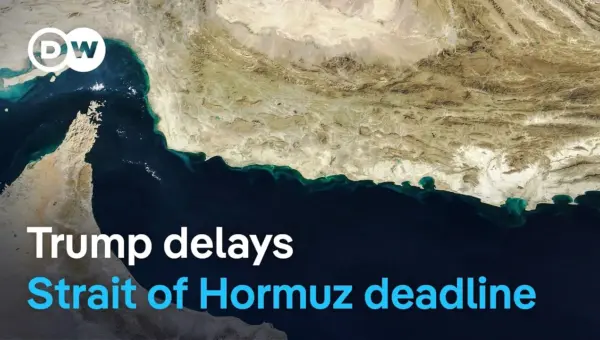
President Donald Trump has extended his deadline for potential strikes on Iranian energy plants to April 6th, amid reports of U.S.-Iran diplomatic talks mediated by Pakistan. This move comes as Israel continues its strikes on Iran and the U.S. deploys additional military assets to the region. Analysts point to mixed signals, economic pressures, and strategic miscalculations as key factors shaping the evolving situation.