UN Declares Slave Trade ‘Gravest Crime Against Humanity’
The United Nations General Assembly has declared the transatlantic slave trade the gravest crime against humanity in a historic vote led by Ghana. The resolution calls for apologies and reparations, sparking debate and celebration worldwide. While 123 nations supported the move, the US and others abstained or voted against, citing concerns over legal definitions and the hierarchy of historical crimes.

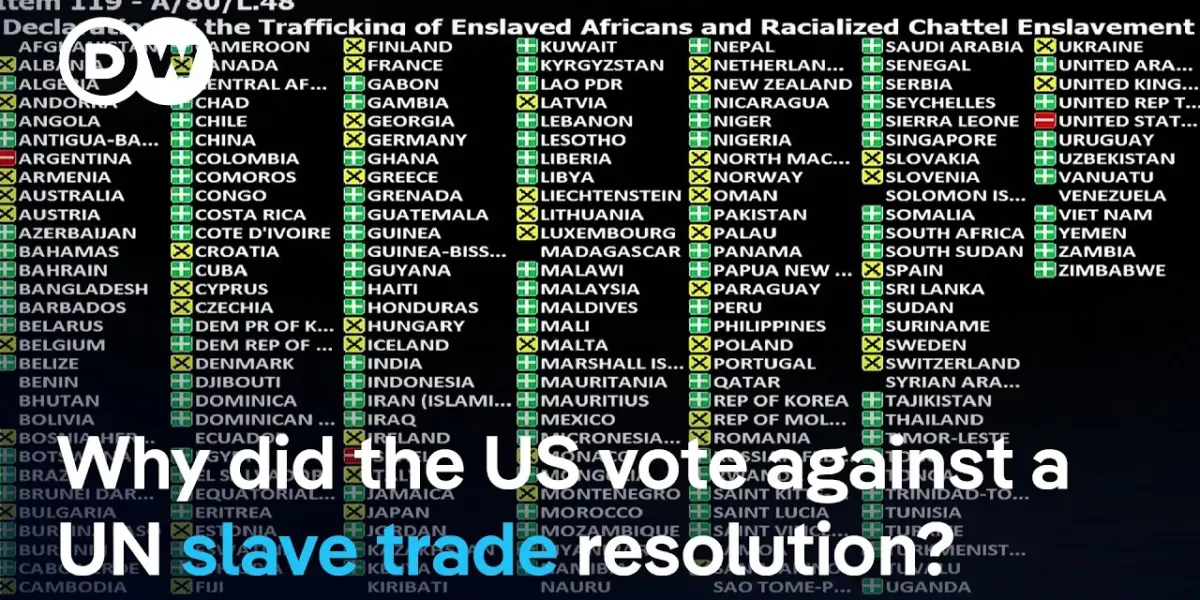
UN Votes to Label Transatlantic Slave Trade ‘Gravest Crime’
In a landmark decision, the United Nations General Assembly has declared the transatlantic slave trade the gravest crime against humanity. The historic vote, led by Ghana, saw 123 nations in favor, with the United States and three other countries voting against. Fifty-two nations, including the UK and the entire European Union, abstained.
Ghana Leads Historic Resolution
Ghana put forward the resolution, which specifically addresses the enslavement of approximately 12 million Africans and their descendants. The resolution calls on UN member states to engage in dialogue about a full and formal apology for the slave trade. It also urges for reparations as a concrete step to address historical wrongs and calls for the prompt return of cultural items to their countries of origin.
Celebration and Hope in Ghana
In Ghana, the news has been met with widespread celebration. For years, the country has been a focal point for discussions on slavery, home to historic sites like Elmina Castle and Cape Coast Castle. These castles served as key locations during the centuries of the slave trade. Many view the resolution as a significant step towards acknowledging the immense suffering caused by this dark chapter in history.
Isaac Khi, a DW correspondent in Accra, reported on the positive public reaction. “A lot of people have been following this particular campaign for a long time,” Khi said. “People have been happy about the fact that eventually their president was able to lead this campaign and the UN has adopted this resolution.”
UN Secretary-General Acknowledges Betrayal
UN Secretary-General António Guterres spoke about the deep betrayal of human dignity the slave trade represented. “Today we reflect on a deep betrayal of human dignity, the abduction of millions of Africans stolen from families and communities they would never see again,” he stated. Guterres welcomed steps by some countries to apologize and engage in dialogue about the lasting consequences of slavery.
Reparations: A Complex Discussion
The resolution calls for reparations, but the specifics of who should pay and to whom are complex. According to the resolution, reparations should be paid by countries that carried out the practice and those that benefited from it. This includes nations like the United States and several European countries.
However, the demand is not for money to be paid directly to African governments. Instead, the proposal is to channel funds into a dedicated program. This program would aim to correct imbalances caused by slavery and help victims heal and rebuild. The goal is economic empowerment to bridge the disparity in economic fortunes that persists today.
US Objections and Historical Context
The United States’ opposition to the resolution centered on the declaration that slavery is the “gravest crime against humanity.” The US argued this could create a hierarchy of crimes, suggesting slavery is worse than other atrocities like murder, rape, and torture. US Ambassador to the UN, Linda Thomas-Greenfield, stated, “The United States also does not recognize a legal right to reparations for historical wrongs that were not illegal under international law at the time when they occurred.”
Professor Gerald Horn, a historian at the University of Houston, strongly disagreed with this stance. “As you probably know, the African slave trade involved murder, rape, and torture,” Horn explained. He also pointed out the centuries-long duration of the trade and its ongoing repercussions, citing issues like high incarceration rates and infant mortality among descendants of enslaved people in the US.
Symbolic and Emotional Significance
For the African diaspora, particularly in the United States, the resolution holds profound symbolic and emotional weight. Professor Horn highlighted the need for international validation in the ongoing struggle for reparations. “We’ve also often needed international support and international validation in order to make a step forward,” he said. “And I think that this resolution at the United Nations is precisely the kind of validation that we have needed.”
Ghana’s President Nana Akufo-Addo had previously spoken out about efforts to erase Black history from curricula in some places. He criticized the banning of books and the prevention of exhibitions promoting racial awareness. “At the very least, they are slowly normalizing the erasure. They’re slowly normalizing erasure,” he stated, referring to these trends.
Legal and Ethical Debates on Reparations
The US ambassador’s argument about the legality of slavery at the time it occurred was met with strong opposition from Professor Horn. “I think that that’s a questionable invocation of law,” he responded. He also suggested that the descendants of Indigenous populations in North America, who faced genocide, should also be considered for reparations.
Horn expressed disappointment that many European Union nations abstained, suggesting they might be trying to maintain good relations with the US. He specifically called out Britain, Portugal, and Spain, whose current prosperity he believes is directly linked to the slave trade. The resolution’s call for reparations is seen by many as a moral imperative, regardless of the legal arguments about past international law.
Moving Forward: Education and Awareness
Beyond apologies and financial reparations, education remains a crucial element. Professor Horn stressed the importance of teaching the truth about slavery and its horrors. “There is an ongoing campaign to not teach what happened during the time of slavery,” he noted. He believes that educating people globally about the suffering inflicted during the African slave trade is essential.
The resolution is expected to significantly impact the ongoing conversation about slavery and its lasting effects. Professor Horn is confident that this will be a major topic in Black media in the US, eventually spreading to the mainstream and serving as a powerful tool for education and awareness.
Source: United Nations declares slave trade 'gravest crime against humanity' | DW News (YouTube)

Related Articles

China’s Organ Harvest: The CCP’s Dark Secret Exposed
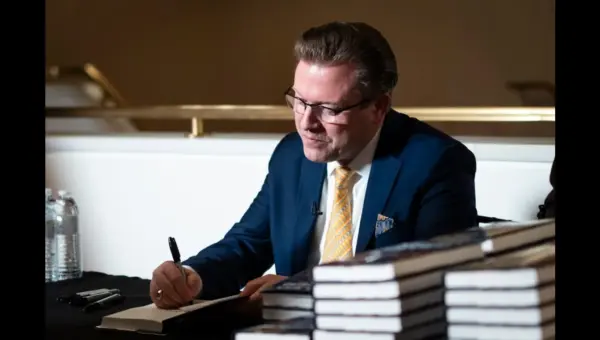
A new bestseller, "Killed to Order," exposes China's alleged 20-year practice of forced organ harvesting from prisoners of conscience. Author Jan Jekielek details the system's scale and how the West may have become complicit. The book raises critical questions about human rights and international ethics.

Trump Flirts With Host, Dodges Iran Human Rights Question
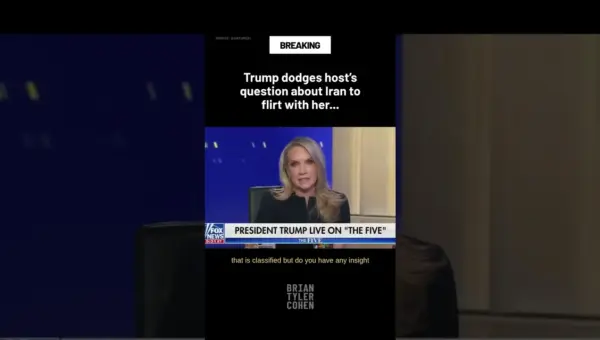
During an interview, Donald Trump deflected a question about the human rights situation in Iran. Instead of answering, he reminisced about a past lunch and complimented the interviewer's appearance. This exchange highlights a trend in political communication where personal interactions can overshadow serious global issues.
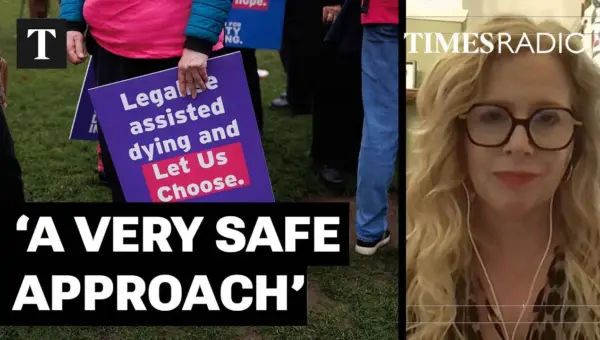
UK Debates Assisted Dying Amidst Tragic Spanish Case
The UK's House of Lords is currently debating a proposed assisted dying bill, a discussion amplified by a tragic case in Spain. A 25-year-old woman, Noelia Castillo, who suffered severe trauma, was granted an assisted death after an 18-month legal battle. Healthcare law expert Dr. Alexandra Mullik describes the UK bill as cautious, with strong safeguards, while acknowledging concerns about coercion.