Trump’s Iran War: Exit Sought as Conflict Nears One Month
As the U.S. war in Iran nears its one-month mark, reports indicate Iran has rejected a U.S. peace plan and is setting its own terms, including reparations and control over the Strait of Hormuz. Meanwhile, American public opinion is souring on the conflict, with gas prices significantly increasing.

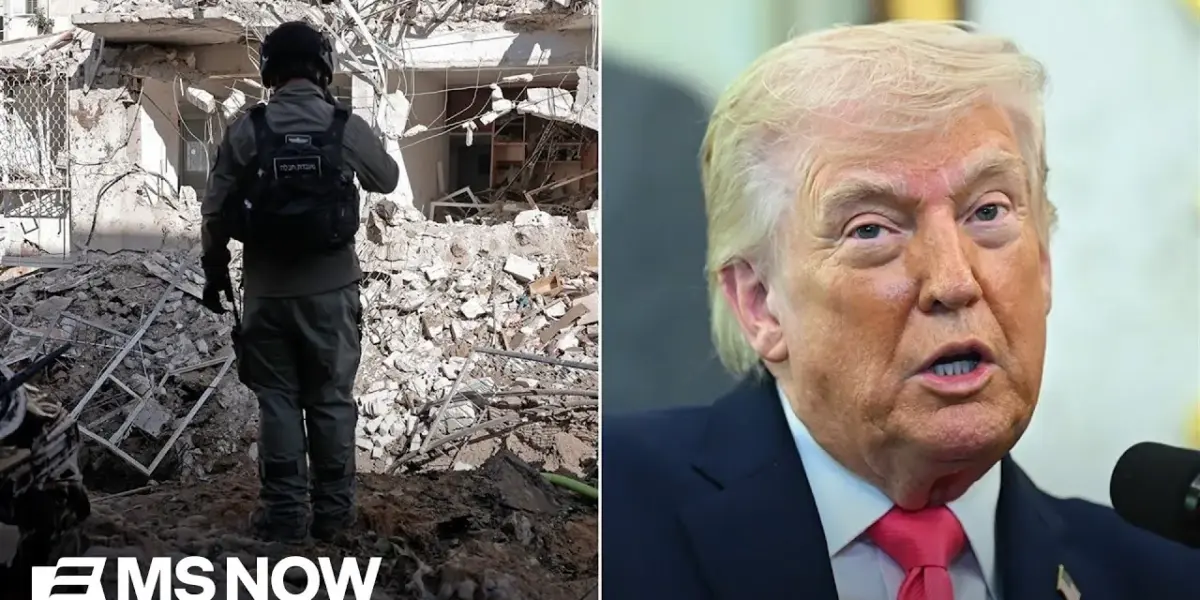
US War in Iran Nears Month Mark Amidst Shifting Goals and Public Doubt
As the conflict in Iran approaches its one-month anniversary, the White House is signaling a desire to de-escalate, despite initial objectives remaining unclear. White House Press Secretary Caroline Levitt stated the U.S. is “very close to meeting its objectives,” though she did not specify what those goals are or who in Iran the U.S. is negotiating with. President Trump’s remarks about receiving a “very big present” from Iran on the 26th day of the war have added to the confusion.
Iran Rejects US Peace Plan, Sets Own Terms
A diplomatic source in Iran has revealed that the country has rejected a reported U.S. peace plan. Iran is now demanding its own conditions for peace. These demands include reparations for war damages and international recognition of Iran’s authority over the Strait of Hormuz. These terms are seen as non-starters for the Trump administration.
Israel Escalates Strikes Amidst US War Effort
Meanwhile, The New York Times reports that Israel is increasing its strikes on Iran while it still has the opportunity. This information comes from four separate individuals briefed on the matter, suggesting a regional escalation alongside the U.S. involvement.
Public Opinion Turns Against the War, Gas Prices Soar
New polling indicates a significant shift in American public sentiment. An Associated Press poll shows 59% of Americans believe the war in Iran has gone “just too far.” A Pew survey further reveals that a majority disapprove of President Trump’s handling of the conflict. The economic impact is also being felt directly by consumers. According to AAA, the average price for regular gas is nearly $4 a gallon, a $1 increase from a month ago before the war began. Diesel prices, crucial for farmers, have risen by more than $1.50, highlighting the war’s financial burden.
Analysis: Trump’s War Strategy Under Scrutiny
Experts are questioning the execution of the war strategy, drawing parallels to the Iraq War. “The objectives here are I think most broadly speaking understandable and I would support that this regime is perhaps an existential threat to at least the region,” said Mark McKinnon, former advisor to George W. Bush and John McCain. “But the execution of this has been so flawed.”
Trump’s Leadership Style and Market Impact
Jeffrey Sonnenfeld, author of “Trump’s Ten Commandments,” discussed President Trump’s leadership style during the crisis. “He is the most money-oriented president we’ve ever had,” Sonnenfeld noted. Trump’s approach often involves issuing ultimatums, observing market reactions over the weekend, and then adjusting his stance on Monday. This pattern has led to significant market swings, with some traders appearing to anticipate his moves.
Coalition Building and Misinformation Challenges
Sonnenfeld also highlighted Trump’s aversion to coalitions, observing his current attempts to seek support from international partners like the EU and NATO, which have largely been unresponsive. “He hates coalitions because that’s how you take down a bully. So it’s divide and conquer,” he explained. Additionally, Sonnenfeld pointed to Trump’s strategy of repeating false information, citing examples like the 2020 election fraud claims and misinformation about Haitian refugees, suggesting this tactic aims to make falsehoods stick despite contrary evidence.
Loss of Unilateral Control and Long-Term Consequences
A key challenge for Trump in this conflict is the loss of unilateral control, unlike previous situations like trade tariffs. “He cannot talk his way out of this because we’re already seeing long-term effects, and there are some long-term effects that we know are coming that we haven’t even felt yet,” Sonnenfeld stated. He noted that consequences with allies in Asia are yet to be fully realized, as it takes time for shipments to arrive. Goldman Sachs has already identified a “risk premium” on oil, meaning the price is influenced by uncertainty, regardless of Trump’s statements.
Iran’s Assertions on Strait of Hormuz
Adding to the complex geopolitical landscape, an Iranian military official asserted that the Strait of Hormuz will not return to its previous state. Iran intends to dictate who can pass through and when, a development that is already impacting global trade and raising critical questions about the future of the conflict and regional stability.
Source: Control issues? Trump looking for an exit as Iran war nears one-month mark (YouTube)

Related Articles
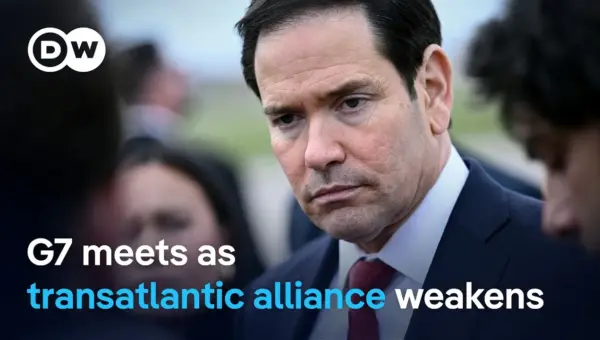
G7 Allies Clash Over Iran War Strategy, Urge Focus on Russia
G7 foreign ministers met in Paris, revealing deep divisions over the U.S. war with Iran. European allies urged the U.S. to pressure Russia, linking its actions to the conflict and fearing support for Ukraine will wane.

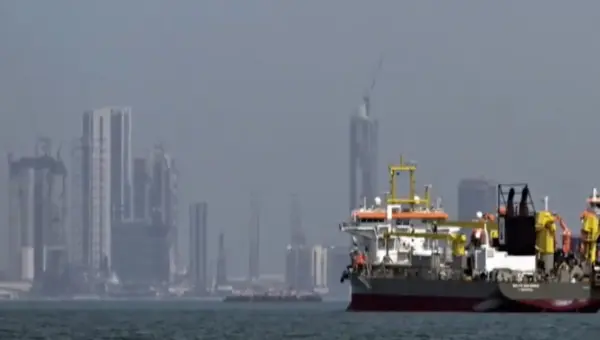
Iran Blocks China Ships, Exposing Beijing’s Weak Grip
Iran's recent decision to block Chinese ships at the Strait of Hormuz is exposing the limits of Beijing's influence in the Middle East. This action is causing delays and cancellations for Chinese manufacturers, turning a perceived geopolitical win into an economic strain.
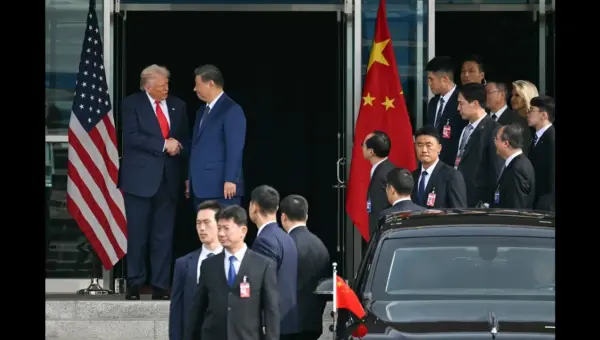
Trump’s “Walk Away” Tactic Signals Tougher Stance on China
Retired Air Force Brigadier General David Stillwell believes President Trump's strategy of being willing to walk away from negotiations puts pressure on China. This tactic, combined with US global actions and strengthened alliances, signals a more assertive American foreign policy.