US Faces Iran War Fatigue Amid Shifting Alliances
Growing American skepticism about military action against Iran is pushing the US to seek allied support for maritime security. Clear objectives are being defined, but public and economic pressures are mounting. This situation highlights a potential shift towards multilateralism in global security.

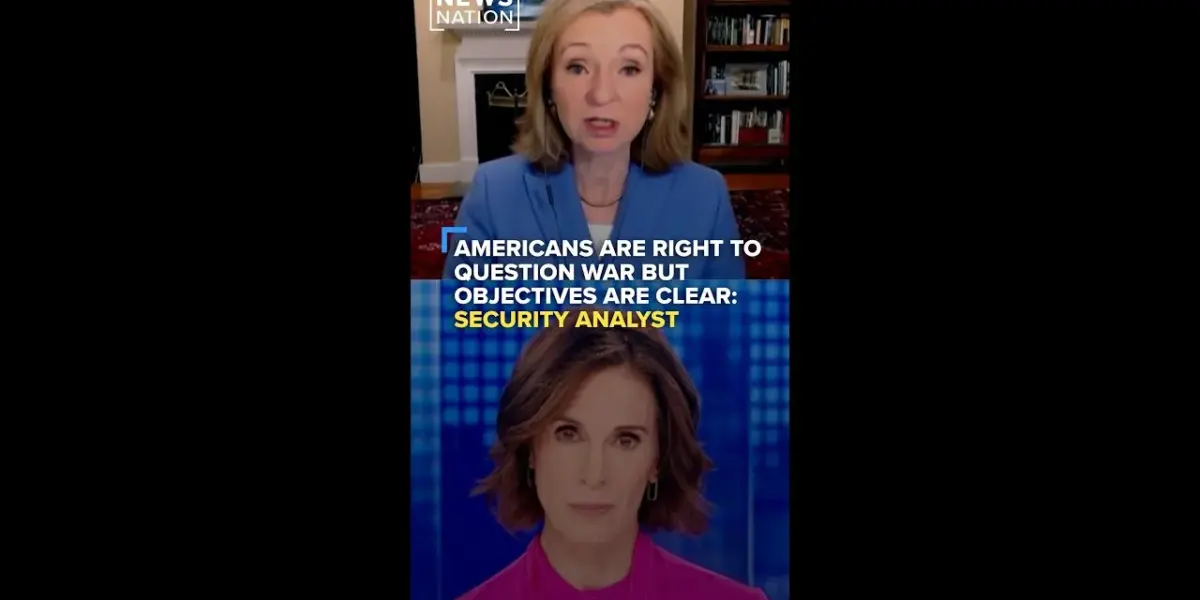
US Faces Iran War Fatigue Amid Shifting Alliances
New polls show a growing unease among Americans about military action against Iran. Nearly 60% of people surveyed believe the current military involvement has gone too far. This sentiment reflects a broader lack of public support for what is becoming a costly conflict. The economic effects of this prolonged engagement are also starting to impact everyday citizens.
President Biden is known to pay close attention to oil prices and stock market performance. These economic indicators often influence public opinion and presidential decisions. The rising concerns about the Iran conflict put pressure on the administration to justify its ongoing military strategy. The administration acknowledges these worries and stresses the importance of clear objectives.
Defining Clear Objectives
The stated goal of the military action is to reduce Iran’s missile capabilities and its ability to project power. This threat is seen not only as a danger to American interests but also to global safety. The administration believes that by taking down these capabilities, America and the world will become more secure. This is a key point for judging the success or failure of the mission.
The conflict highlights the unexpected strength of Iran’s military assets. Intelligence reports suggest Iran possessed a larger arsenal of missiles and a greater capacity for power projection than previously understood. This realization was a major factor in the decision to engage militarily. The aim is to create a safer environment by neutralizing these perceived threats.
Allied Support Emerges
In a significant development, allies like Britain and France appear ready to join a maritime security force. This cooperation echoes efforts made in the Red Sea against Houthi rebels last year. Such a joint effort aims to provide zone defense around critical shipping lanes. This is especially important for areas like the Strait of Hormuz, a vital waterway for global oil transport.
The potential involvement of the UK, France, Japan, and South Korea in 2024 signals a renewed commitment to collective security. These nations understand the importance of maintaining open sea lanes. Their participation would distribute the burden of security operations and strengthen the international response. It shows a shared interest in preventing regional instability from disrupting global trade.
Economic Leverage and Global Impact
The conflict has direct economic consequences. Disruptions to oil supplies from the Persian Gulf can cause energy prices to spike worldwide. This affects consumers and businesses in every country. The administration’s focus on oil markets shows an awareness of this global economic sensitivity. Sanctions, if imposed or tightened, could further isolate Iran and impact its economy, but also affect global markets.
The Strait of Hormuz is a critical chokepoint. About 20% of global oil consumption passes through it. Any threat to this passage has immediate ripple effects on energy security and prices. Allied naval presence is intended to deter aggression and ensure the free flow of commerce. This collective action aims to protect a vital global economic artery.
Historical Context
The current situation is rooted in decades of complex relations between the US and Iran. Following the 1979 Iranian Revolution, diplomatic ties were severed. Tensions have often flared over Iran’s nuclear program, its support for regional militias, and its missile development. Past US policies have included sanctions and diplomatic pressure, with varying degrees of success.
The Red Sea intervention against the Houthis in 2023 serves as a recent precedent for multinational maritime security. That operation involved a coalition of countries working together to protect shipping from attacks. The current discussions to form a similar force for the Persian Gulf build on this model of international cooperation. It suggests a shift towards shared responsibility in managing regional security threats.
Future Scenarios
One possible future involves successful deterrence. With allied support, Iran might be dissuaded from further aggression, leading to de-escalation. This scenario allows for a return to diplomatic solutions and a reduction in military spending. It would also stabilize oil markets and ease public concerns.
Another scenario is continued or increased conflict. If deterrence fails, military actions could escalate, leading to higher casualties and greater economic disruption. This would likely intensify public opposition in the US and strain international alliances. Such a prolonged conflict could destabilize the entire region, with far-reaching global consequences.
A third possibility is a negotiated settlement. This would require concessions from both sides and a willingness to address underlying grievances. While challenging, a diplomatic breakthrough could offer a lasting peace and end the current military engagement. Success would depend on the commitment of all parties involved and international mediation.
Why This Reshapes the World Order
The growing public doubt in the US about prolonged military action, coupled with the call for allied support, signals a potential shift in how global security challenges are addressed. It suggests a move away from unilateral action towards a more multilateral approach. This is especially true for conflicts involving major economic interests like energy security. The willingness of countries like Britain, France, Japan, and South Korea to contribute to maritime security highlights a shared global stake in regional stability. This cooperation could set a new precedent for managing future international crises, emphasizing collective responsibility over individual national burdens. It also reflects a world where economic interdependence necessitates joint security efforts to protect vital trade routes.
Source: Americans are right to question war, but objectives are clear: Analyst | Vargas Reports (YouTube)

Related Articles

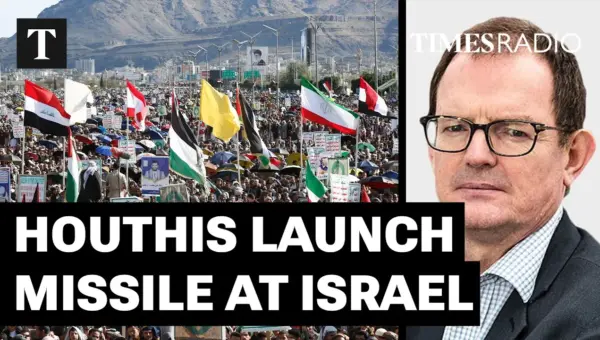
Houthis Fire Missile at Israel, Iran’s Guard Takes Center Stage
Yemen's Houthi group has fired a missile at Israel, signaling a potential escalation of the regional conflict. Meanwhile, Iran's powerful Islamic Revolutionary Guard Corps (IRGC) appears to be consolidating its control over the country's leadership following reported strikes. This shift places hardline figures at the forefront of decision-making.

Stocks Ignore War Risks, Focus on “Taco Moments”
Stock markets appear to be overlooking the severe supply chain risks stemming from the Iran conflict, focusing instead on potential diplomatic de-escalations. While the S&P 500 shows resilience, bond and commodity markets signal deep concern over disruptions to critical resources like LNG, helium, and fertilizers.

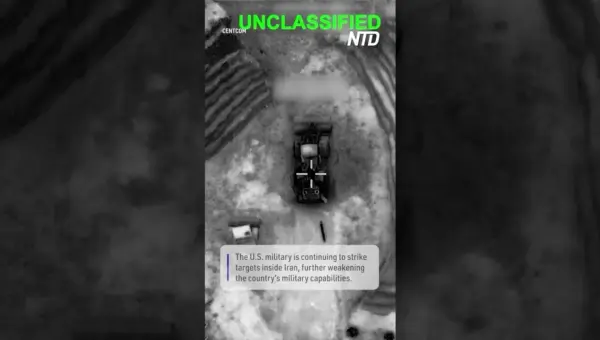
US Strikes Cripple Iran’s Military Might, CENTCOM Reports
U.S. Central Command reports ongoing strikes inside Iran are significantly weakening its military power. This direct action aims to reshape regional security dynamics, but carries risks of escalation. The long-term impact depends on Iran's response and ability to adapt.