Digital ID Fuels Fears of CCP-Style Social Control
Reggie Littlejohn warns that digital ID systems could evolve into tools of social control, mirroring China's restrictive social credit system. Such systems could track and punish citizens for non-compliance, impacting essential freedoms and daily life.


Digital ID Fuels Fears of CCP-Style Social Control
A growing concern surrounds the idea of digital identification systems. These systems, meant to simplify life, could actually give governments too much power over their citizens. Reggie Littlejohn, a human rights advocate, warns that digital IDs could become tools for control, similar to China’s social credit system. This system punishes people for not following the rules of the Chinese Communist Party (CCP).
Littlejohn, who leads Anti-Globalist International and Women’s Rights Without Frontiers, explained her worries in an interview with NTD. She believes that any digital ID system, no matter its purpose, can be used to force people into certain actions. This could affect everything from travel and work to healthcare decisions.
China’s Social Credit System: A Warning Sign
China’s social credit system is a prime example of what Littlejohn fears. It uses a person’s behavior to give them a score. If you do good things, like obeying the CCP, your score goes up. If you do bad things, like speaking out against the government or not paying bills on time, your score goes down. This score affects your ability to get loans, travel, or even find a job. It’s a way to control the population by rewarding obedience and punishing dissent.
Littlejohn sees a direct link between such a system and the widespread adoption of digital IDs. A digital ID would store a lot of personal information about you. This could include your health records, financial history, and even your online activity. If this information is linked to a scoring system, it gives the government immense power to monitor and control every aspect of your life.
The Slippery Slope of Digital IDs
The idea of a digital ID is not new. Many countries are exploring or implementing their own versions. Supporters say these IDs can make services more efficient and secure. They could help prevent identity theft and streamline interactions with businesses and government agencies. For example, a digital ID could replace your physical driver’s license and passport, making travel easier.
However, Littlejohn argues that the convenience comes at a high price. She points out that governments could easily use these IDs to enforce rules. Imagine being unable to book a flight or enter a building because your digital ID score is too low. This is not just about financial penalties; it could lead to a society where people are afraid to express themselves or make choices that go against the government’s wishes. It could create a society where people feel like they are constantly being watched and judged, leading to a form of self-censorship.
Historical Context: Power and Control
History shows us that governments often seek ways to monitor and control their populations. From ancient census records to modern surveillance technology, the tools change, but the desire for control can remain. In the past, tracking people involved physical records and human agents. Today, digital technology offers much more powerful and efficient methods.
The development of digital identification systems taps into this historical pattern. While presented as modern solutions for efficiency, they also represent a significant expansion of state power. Littlejohn’s warning is a reminder that new technologies always come with potential downsides, and it is crucial to consider who benefits and who might be harmed by their implementation.
Why This Matters
The discussion about digital IDs and social credit systems is important because it touches on fundamental rights like privacy, freedom of speech, and freedom of movement. If digital IDs become mandatory and are linked to a social scoring system, it could fundamentally change the relationship between citizens and their governments.
It raises questions about who decides what behavior is acceptable and who has the authority to punish deviations. It also brings up concerns about data security and the potential for misuse of personal information. If this data falls into the wrong hands or is used for discriminatory purposes, the consequences could be severe for individuals and society as a whole.
Implications, Trends, and Future Outlook
The trend towards digitalization is undeniable. More and more aspects of our lives are moving online, and digital identification is a natural extension of this trend. Many countries are likely to continue developing and implementing digital ID systems, driven by the promise of efficiency and security.
The challenge will be to ensure these systems are designed and used in ways that protect individual freedoms. Littlejohn’s concerns highlight the need for strong safeguards, transparency, and public debate. Without careful consideration and robust checks and balances, digital IDs could indeed pave the way for systems that limit personal liberty, much like the social credit system in China.
The future outlook depends on how societies choose to develop and regulate these powerful tools. It requires vigilance from citizens and thoughtful policy-making from governments to ensure that technology serves humanity, rather than controlling it.
Source: Digital ID Could Lead To 'Slave-Like' CCP Social Credit System: Reggie Littlejohn (YouTube)

Related Articles


US Must Block China’s Tech Access for Security
US national security experts are raising alarms about China's access to advanced AI chips, arguing it threatens strategic advantages. This, coupled with charges against Chinese entities for fentanyl precursor sales and a ban on foreign routers, signals a growing effort to prioritize security over business ties.

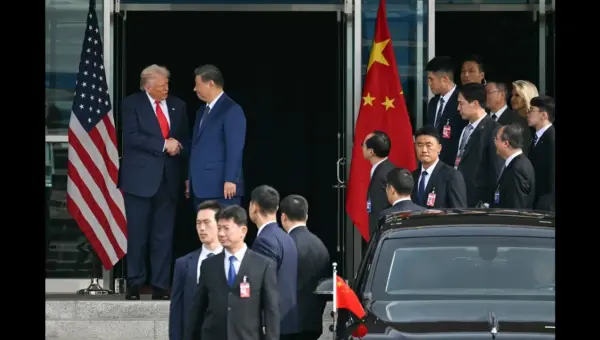
Trump’s “Walk Away” Tactic Signals Tougher Stance on China
Retired Air Force Brigadier General David Stillwell believes President Trump's strategy of being willing to walk away from negotiations puts pressure on China. This tactic, combined with US global actions and strengthened alliances, signals a more assertive American foreign policy.


China Fights Back: Tariffs Loom Ahead of Trump Visit
China is retaliating against US trade investigations that could lead to higher tariffs. This escalating trade tension occurs just before a planned visit by President Trump. The dispute involves accusations of unfair practices and impacts global supply chains.