Congress Holds Security Hostage Over ICE Demands
Congress is taking a break, leaving TSA officers unpaid due to a funding dispute over ICE policy changes. Democrats want reforms like body cameras for ICE agents, while Republicans resist. This political standoff impacts national security and the financial well-being of essential workers.

Congress Holds Security Hostage Over ICE Demands
Congress is heading home for a two-week break, leaving thousands of Transportation Security Administration (TSA) officers without pay. This funding crisis highlights a deep political divide, with Democrats and Republicans unable to agree on how to fund the Department of Homeland Security (DHS). The main sticking point involves policy changes Democrats want for Immigration and Customs Enforcement (ICE) agents, such as body cameras and name tags. Republicans, meanwhile, are pushing back, and President Trump has expressed his opposition to these demands.
TSA Officers Face Financial Hardship
TSA officers, whose core mission is to prevent terrorism, are now struggling to make ends meet. Some are skipping meals and carpooling to save money. They feel used and abused by a political system that prioritizes policy debates over their essential work and financial security. The inability to receive a paycheck can make federal employees more vulnerable to bribery or other illegal inducements, creating a dangerous situation.
Political Stalemate Fuels Crisis
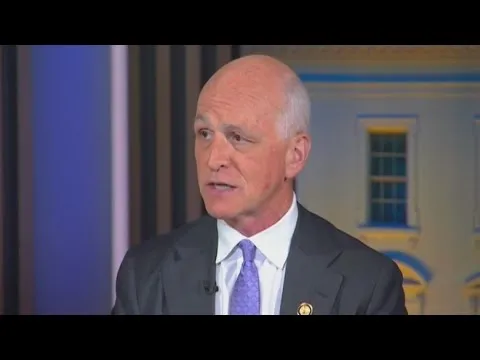
Democratic Congressman Adam Smith, Ranking Member of the House Armed Services Committee, argues that Congress should not go on break until the funding crisis is resolved. He believes it is unfair for members of Congress to go home while TSA agents are not getting paid. Smith acknowledges that the issues surrounding ICE are complex but feels that holding up pay for essential workers like TSA agents as political leverage is wrong. He has supported fully funding all departments but points out that House Republicans have blocked a discharge petition that would have allowed for a vote on such a bill.
Competing Interests and Demands
Democrats are using the DHS funding bill to push for reforms within ICE, including demands for body cameras and name tags for agents. They argue these measures are necessary for accountability and transparency, especially after incidents like the one in Minneapolis where ICE agents were involved in a situation that led to two deaths. Republicans, on the other hand, are resistant to these policy changes and accuse Democrats of using the funding as a bargaining chip. President Trump has also weighed in, opposing the Democratic demands and suggesting that the National Guard could be deployed if the situation continues.
Historical Context of Funding Battles
Government shutdowns and continuing resolutions have become common tools in political battles over spending and policy. This current standoff over DHS funding echoes past struggles where appropriations bills have been held up due to disagreements on unrelated policy issues. The use of essential government functions and employee salaries as political leverage is a recurring theme in American politics, often leading to uncertainty and hardship for federal workers.
Economic and Security Implications
The core mission of the TSA is to protect national security by preventing terrorist attacks at airports. With the terrorist threat level still high, ensuring TSA officers are fully compensated and focused on their duties is crucial. The financial stress on these employees could have serious consequences for airport security. Furthermore, the broader DHS includes vital agencies like FEMA and the Coast Guard, whose operations could also be affected by ongoing funding disputes.
Proposed Solutions and Future Scenarios
Congressman Smith believes the solution lies in paying TSA agents and other DHS employees immediately, separating these essential functions from the policy debates surrounding ICE. He does not see deploying the National Guard or continuing to focus on ICE agents as the answer. The immediate future likely involves continued negotiations, with potential for a short-term funding patch or a full agreement if one side makes concessions. However, the deep divisions suggest that similar crises could arise again.
Global Impact: Why This Reshapes the World Order
While this particular dispute centers on domestic US policy, the inability of a major global power to fund its essential security functions can have international repercussions. It can project an image of internal division and instability, potentially emboldening adversaries. Moreover, disruptions to agencies like the TSA, which are critical for international travel and commerce, can indirectly affect global trade and cooperation. A government that struggles to manage its own internal affairs may be perceived as less reliable on the international stage.
Source: Rep. Smith on TSA officers: ‘We need to pay them’ | On Balance (YouTube)

Related Articles
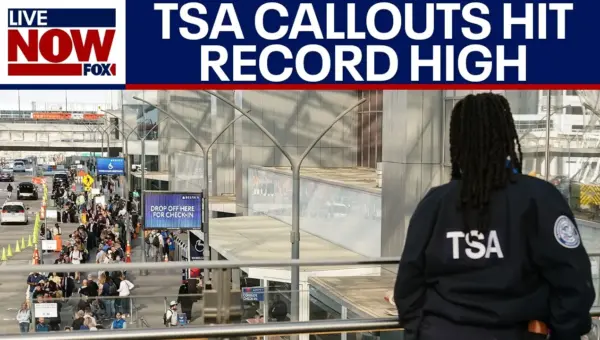
TSA Workers Get Paid After Record Absences
TSA agents will finally receive paychecks after working nearly six weeks without salary, following a directive from President Trump. Record high absences had strained airport operations and caused significant passenger delays. The situation has sparked calls for better protections for essential workers during government shutdowns.


US Must Block China’s Tech Access for Security
US national security experts are raising alarms about China's access to advanced AI chips, arguing it threatens strategic advantages. This, coupled with charges against Chinese entities for fentanyl precursor sales and a ban on foreign routers, signals a growing effort to prioritize security over business ties.
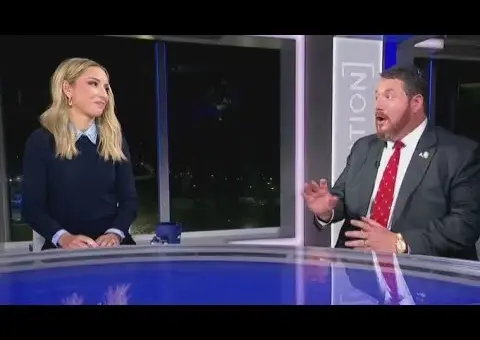
House Republicans Reject Senate Deal, Sparking Government Funding Clash
House Republicans have rejected a Senate bill to end the government shutdown, citing insufficient border security measures. Congressman Randy Fine called the Senate deal a "disgrace" and highlighted the ongoing fight for full government funding. President Trump's executive order to pay TSA agents offers temporary relief, but the core disagreement over border security continues to paralyze Washington.