Pentagon Orders Massive War Machine Boost
The Pentagon is significantly boosting war supply production, signing new deals with major defense contractors. This move aims to put the U.S. on a "wartime footing" to build an "Arsenal of Freedom."

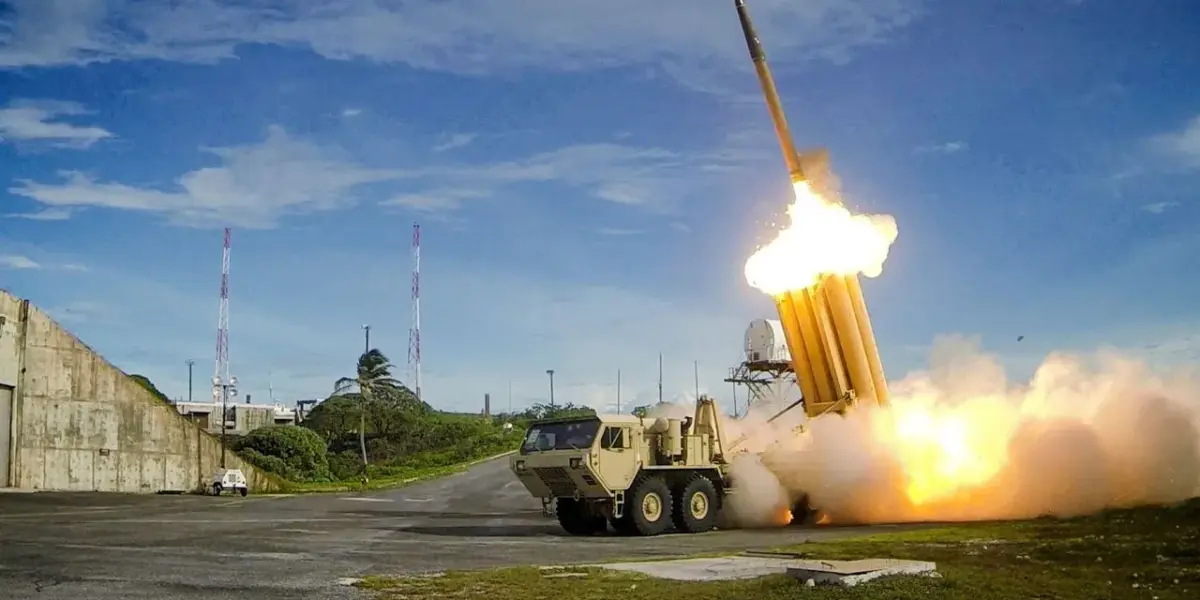
Pentagon Orders Massive War Machine Boost
The U.S. Department of Defense, known as the Pentagon, is significantly increasing its production of weapons and military equipment. This move signals a major shift in how the nation prepares for potential conflicts.
New agreements have been signed with major defense companies like Lockheed Martin and BAE Systems. These deals are designed to speed up the manufacturing process for critical military hardware. The goal is to build up the country’s military supplies, creating what officials are calling an “Arsenal of Freedom.” This name suggests a focus on defending democratic values through military strength.
Key Agreements and Production Increases
One significant agreement involves quadrupling the production of sensors for the THAAD anti-missile defense system. THAAD, or Terminal High Altitude Area Defense, is designed to intercept ballistic missiles. Increasing its sensor production means the U.S. can better detect and track incoming threats.
Lockheed Martin will also accelerate the production of its Precision Strike Missile. This is a long-range, guided missile capable of hitting targets deep within enemy territory. Such a missile is a key component of modern warfare, offering strategic advantages.
In addition to these, Honeywell Aerospace will increase its output of essential components for America’s weapon stockpile. These are the building blocks for many different types of weapons and systems. Ensuring a steady supply of these parts is crucial for maintaining readiness.
A Wartime Footing
The Pentagon states that these new deals will put production on a “wartime footing.” This phrase implies that the defense industry is being mobilized as if the nation were actively engaged in a major conflict. It means prioritizing military needs over other production demands and streamlining processes to meet urgent requirements.
Historically, wartime footing involves mobilizing industries and resources for defense purposes. During World War II, for example, American factories shifted from making cars to producing tanks and planes. This current move echoes that historical approach, adapting it for today’s complex global security environment.
Why This Matters
This ramp-up in production has several important implications. Firstly, it suggests that U.S. military leaders see a heightened risk of conflict or are preparing for longer-term global instability. The “Arsenal of Freedom” concept points to a belief that military strength is necessary to deter adversaries and protect national interests.
Secondly, increased defense spending and production can have economic effects. It creates jobs in the defense sector and related industries. However, it also means significant government resources are being allocated to military hardware, which could impact funding for other areas like social programs or infrastructure.
Thirdly, this move could influence international relations. Allies may see it as a sign of U.S. commitment to security, while potential adversaries might view it as a provocation. The global balance of power is often affected by such shifts in military readiness.
Trends and Future Outlook
The current global climate is marked by geopolitical tensions and conflicts in various regions. This environment naturally leads nations to reassess their defense capabilities and supply chains. The focus on advanced systems like anti-missile defense and precision strike weapons reflects modern military strategy.
The trend towards a more robust and responsive defense industrial base is likely to continue. Companies that can quickly scale up production and innovate in military technology will be key players. The Pentagon’s strategy appears to be building resilience into its supply chains, reducing reliance on single sources and ensuring a steady flow of essential goods.
Looking ahead, the success of this strategy will depend on several factors. These include the sustained commitment of defense contractors, the availability of raw materials, and the ongoing assessment of global threats. The “Arsenal of Freedom” initiative is more than just a production increase; it’s a statement about America’s role and readiness in a changing world.
Source: entagon to Ramp Up War Supply Production (YouTube)

Related Articles


Pentagon Chief Blocks Black, Female Officers’ Promotions
Pentagon chief Pete Hegseth is reportedly blocking the promotions of four Army officers, two Black and two women, to one-star general. This decision follows reports of alleged discriminatory remarks made by a top aide to Secretary Hegseth regarding President Trump's comfort standing with Black female officers.

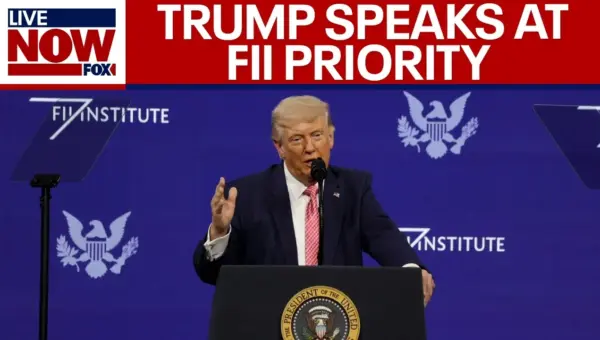
Trump Boasts Military Might, Slams Iran at Investment Summit
Former President Donald Trump spoke at the FII Priority Summit, detailing his administration's assertive stance against Iran and emphasizing the strength of the U.S. military. He claimed credit for dismantling Iran's military capabilities and preventing its nuclear ambitions. Trump also criticized NATO while praising Middle Eastern allies and touched on domestic issues like border security.


Pentagon Weighs 10,000 Troops for Iran Showdown
The Pentagon is reportedly weighing a significant troop increase of 10,000 soldiers to the Middle East, potentially escalating tensions with Iran. This move comes amid reports of U.S. precision strikes and interceptions of Iranian missiles by allies, raising concerns about regional stability and global oil supplies.