Oklahoma Yields Data to DOJ in Voter Registration Dispute
Oklahoma has settled a dispute with the Justice Department, agreeing to share sensitive voter registration data. The Justice Department had sued, claiming the state violated federal law by withholding the information needed for election oversight. This settlement raises ongoing questions about data privacy and federal-state authority in elections.

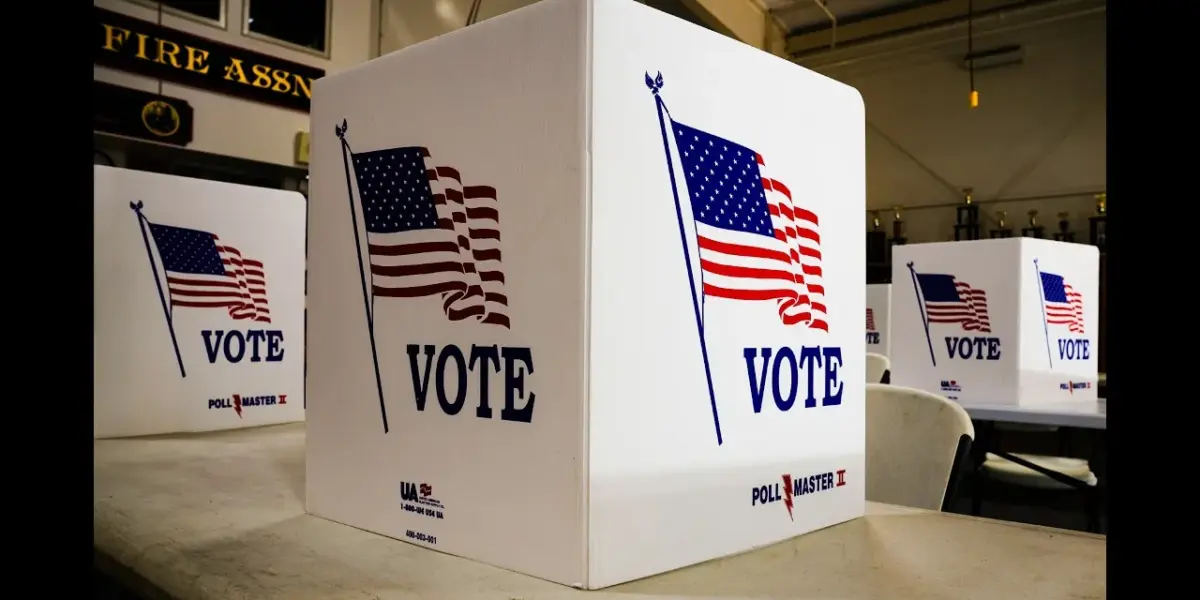
Oklahoma Settles Voter Data Fight with Justice Department
Oklahoma has agreed to share its voter registration data with the U.S. Justice Department. This settlement comes after the Justice Department sued the state, along with others, last month. The government claimed these states were breaking federal law by not giving up voter records when asked.
The Justice Department stated that this information is key to checking if states are following election laws correctly. Oklahoma’s attorney general confirmed the state will now hand over its electronic voter registration lists. This data contains a lot of personal details about registered voters.
What Information Is Being Shared?
The voter registration data includes names, birth dates, and home addresses of everyone registered to vote. It also contains state driver’s license numbers and the last four digits of voters’ Social Security numbers. This is sensitive information that could potentially be misused if it falls into the wrong hands.
Why This Matters
This settlement highlights the ongoing tension between federal oversight and state control over election processes. The Justice Department’s role is to enforce federal laws that protect voting rights and ensure fair elections. Access to voter data is crucial for this oversight. Without it, the federal government cannot easily confirm if states are maintaining accurate voter rolls or if they are complying with laws like the National Voter Registration Act.
States, on the other hand, often guard their data closely, citing privacy concerns and the desire to manage their own election systems. However, federal law requires states to provide certain voter information to federal agencies upon request. The disagreement in Oklahoma shows what happens when these views clash. The state’s decision to settle suggests a recognition that resisting the Justice Department’s request could lead to prolonged legal battles and potential penalties.
Historical Context and Background
The federal government has long played a role in ensuring voting access and fairness across the United States. Laws like the Voting Rights Act of 1965 and the National Voter Registration Act of 1993 were passed to remove barriers to voting and standardize certain election practices. The National Voter Registration Act, often called the “Motor Voter Act,” specifically requires states to offer voter registration opportunities when people apply for or renew a driver’s license. It also mandates that states maintain accurate voter lists.
Part of maintaining accurate lists involves sharing data with federal agencies for verification purposes. The Justice Department uses this data to identify potential issues, such as deceased individuals still on voter rolls or voters who have moved and should be removed. This process is meant to prevent fraud and ensure the integrity of elections. However, the exact scope of data sharing and the process for requesting it have sometimes been points of contention between states and the federal government.
Implications, Trends, and Future Outlook
This settlement could set a precedent for how other states handle similar requests from the Justice Department. If states see that fighting these requests is costly and ultimately unsuccessful, they may be more willing to comply in the future. This could lead to more consistent federal oversight of voter registration across the country.
However, concerns about data privacy and potential misuse will likely persist. As more voter information becomes digitized and accessible, the risk of data breaches or unauthorized access increases. This means that both states and federal agencies must prioritize cybersecurity and data protection. The trend toward electronic voter registration and data management makes these issues even more important.
Looking ahead, we might see clearer guidelines or new agreements emerge regarding the types of data states must share and the conditions under which they must share it. The goal is to strike a balance: ensuring federal oversight while protecting citizens’ personal information. This case in Oklahoma is a step in that ongoing process of defining the boundaries of state and federal authority in election administration.
Source: Oklahoma Settles With DOJ Over Voter Registration Request (YouTube)

Related Articles

Epstein Survivors Sue U.S. Government Over Data Release
Epstein survivors have filed a historic class-action lawsuit against the U.S. government and Google. They allege the Trump administration carelessly released Epstein files, exposing victims' private information. The suit claims Google profited from this data, leading to further retraumatization.

Court Weighs Ballot Deadlines: Will Shorter Voting Times Boost Election Confidence?
The Supreme Court is reviewing a Mississippi law on mail-in ballot deadlines. An analyst suggests that limiting when ballots can arrive could significantly increase public confidence in election results. This case may also influence early voting rules and lead to federal election standards.

DOJ Admits No Evidence in Probe of Fed Chair Jerome Powell
Federal prosecutors admitted to a judge they lack evidence of misconduct in their criminal investigation of Federal Reserve Chair Jerome Powell. The probe, focused on building renovation costs, led a judge to quash subpoenas, calling the case "pretextual." Separately, judges are stepping in to appoint U.S. attorneys in districts where leadership is in limbo.