Iran Rejects US Talks, Offers Own Peace Plan Amid Escalating Attacks
Iran has rejected direct negotiations with the U.S. to end regional conflicts, instead offering its own peace plan. This comes amid escalating drone and missile attacks on energy infrastructure, prompting warnings from Gulf Arab states.

Iran Rejects US Talks, Offers Own Peace Plan Amid Escalating Attacks
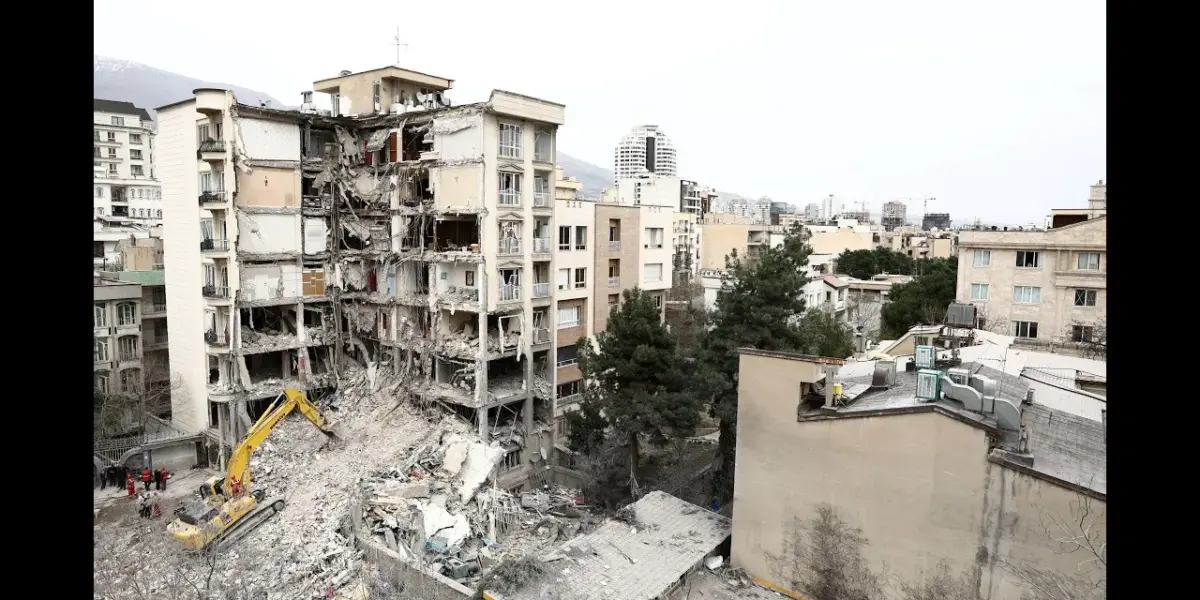
Tensions are soaring in the Persian Gulf as Iran continues its missile and drone attacks. These strikes are hitting critical energy infrastructure and raising alarms across the region. Kuwait reported intercepting multiple drones, with one managing to strike a fuel tank at its international airport, causing a significant fire. Saudi Arabia also announced it had destroyed at least eight drones aimed at its eastern territories. These actions have led Gulf Arab states to issue stark warnings about an existential threat to their security.
Officials voiced their condemnation of these Iranian attacks on regional infrastructure at the United Nations Human Rights Council. Meanwhile, the Israeli military stated its air force had targeted two sites within Iran. These locations were reportedly used for the production of cruise missiles, signaling a direct response to Iranian actions.
A Diplomatic Push Amidst Conflict
Despite the escalating military actions, a diplomatic effort is underway. Reports suggest the United States sent Iran a 15-point proposal aimed at ending the current conflict. This news seemed to impact global markets, with Wall Street opening higher and oil prices dropping about 5% following the announcement.
Turkey is reportedly acting as an intermediary in these discussions, seeking a diplomatic resolution to the crisis. President Trump commented on the situation, stating that Iran has agreed never to pursue nuclear weapons. This statement, if accurate, could represent a significant development in long-standing international concerns regarding Iran’s nuclear program.
Iran’s Countermove
However, Iran has made its position clear. The country has stated it will not engage in direct negotiations with the United States to end the war. Instead, Iran has presented its own counterproposal, suggesting an alternative path toward peace. This move signals Iran’s desire to control the narrative and potentially dictate terms for de-escalation, rather than accepting a U.S.-led initiative.
Why This Matters
The ongoing conflict and the diplomatic maneuvering surrounding it have serious implications for global stability and energy markets. Iran’s continued attacks on infrastructure threaten to disrupt oil supplies, which could lead to price spikes and economic instability worldwide. The involvement of regional powers like Saudi Arabia and Kuwait, along with international bodies like the UN, highlights the widespread concern over the escalating tensions.
The U.S. proposal and Iran’s subsequent counterproposal indicate a potential, albeit complicated, pathway to de-escalation. However, Iran’s refusal to negotiate directly with the U.S. presents a significant hurdle. The role of intermediaries like Turkey becomes crucial in bridging this gap. The broader context of Iran’s nuclear ambitions, as mentioned by President Trump, adds another layer of complexity to any potential peace agreement.
Historical Context and Future Outlook
Relations between Iran and the United States have been strained for decades, marked by mistrust and periods of intense confrontation. The current situation echoes past escalations, where regional proxy conflicts and direct standoffs have threatened to engulf the Middle East in a wider war. The U.S. withdrawal from the Iran nuclear deal in 2018 and subsequent reimposition of sanctions significantly altered the diplomatic landscape, leading to increased tensions and Iran’s gradual move away from its commitments.
The current exchange of proposals, rather than direct talks, reflects the deep-seated mistrust between the two nations. Iran’s strategy appears to be one of projecting strength through military action while simultaneously offering alternative diplomatic channels that bypass direct engagement with its primary adversary. This approach might be an attempt to gain leverage or to avoid concessions that could be perceived as a sign of weakness domestically or internationally.
The future outlook remains uncertain. The success of any diplomatic resolution hinges on multiple factors: the willingness of both sides to compromise, the effectiveness of the intermediaries, and the broader geopolitical considerations involving other major global powers. If diplomatic efforts fail, the region could face further escalation, with potentially devastating consequences for civilian populations and global energy security. The world is watching closely to see if dialogue can prevail over conflict.
Source: Iran Says It Won’t Negotiate With US to End War, Issues Counterproposal to Trump Peace Plan (YouTube)

Related Articles
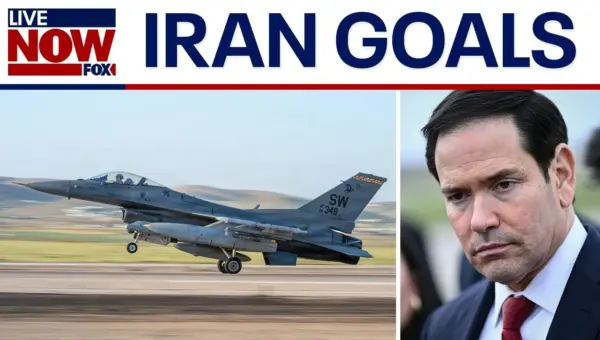
Rubio: US Can Achieve Iran War Goals Without Troops
Senator Marco Rubio outlined a strategy to counter Iran without deploying U.S. ground troops, focusing on weakening the regime and enhancing maritime security. He also criticized Cuba's economic system and expressed concerns about West Bank violence.


Israel Escalates Iran Strikes, Warns of Wider War
Israel has launched significant strikes inside Iran following continued missile fire, warning of further escalation. The conflict risks wider regional instability and economic disruption, especially concerning the Strait of Hormuz.

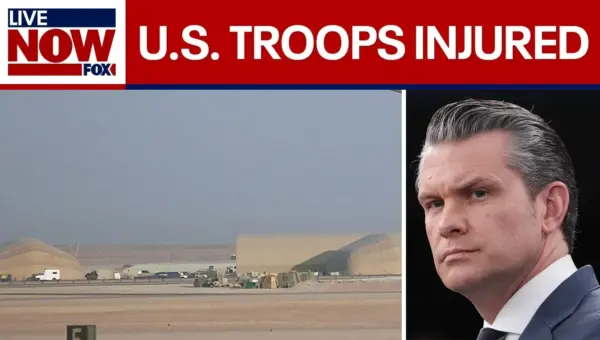
US Troops Wounded in Saudi Base Attack by Iran
An Iranian missile attack on Prince Sultan Air Base in Saudi Arabia wounded multiple U.S. service members and damaged aircraft. The incident highlights the ongoing risks in the Middle East and the limitations of air defense systems. Analysts discuss the strategic implications, economic pressures, and the isolation of Iran amidst the conflict.