Taliban Releases American Hostage, Exposing Hostage Diplomacy
American Dennis Coyle has been released by the Taliban after 422 days in captivity. His return highlights the ongoing issue of 'hostage diplomacy,' prompting the U.S. to designate Afghanistan as a sponsor of wrongful detention. Concerns remain for other Americans still held.

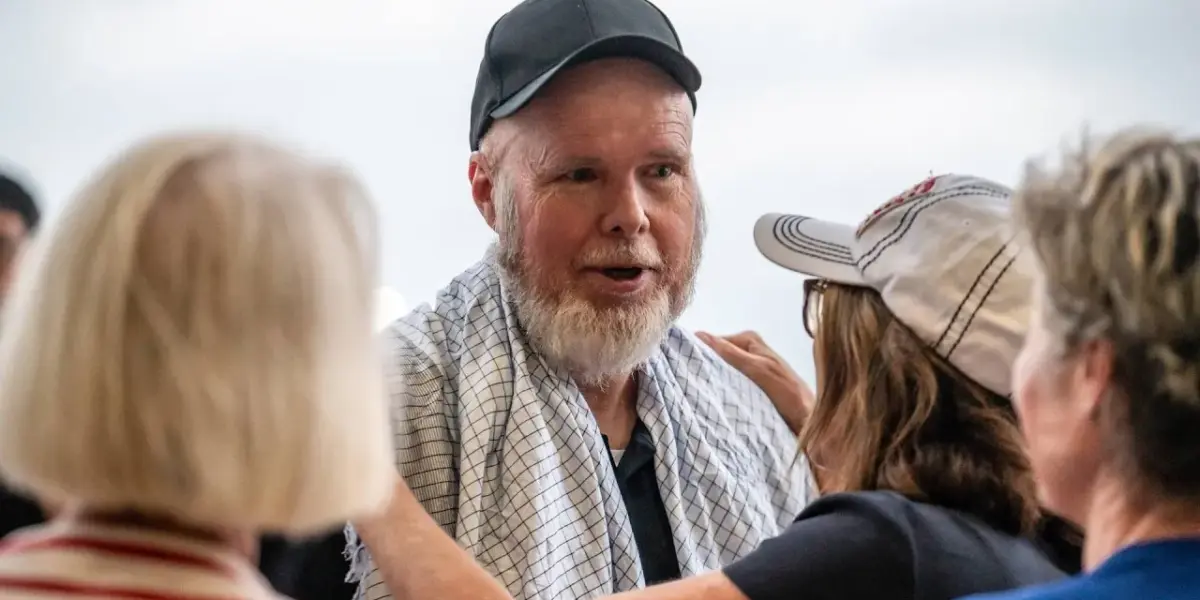
American Returns Home After Taliban Captivity
Dennis Coyle, an American citizen, is finally back on U.S. soil after spending more than a year in captivity. He was held by the Taliban for 422 days. Family members and government officials greeted him upon his arrival at a military base in San Antonio, Texas. This homecoming marks a moment of great relief for everyone involved.
A Year in Captivity and Accusations
Academic researcher Dennis Coyle was detained by the Taliban in January 2025. The group accused him of breaking the law, but they never provided any specific details about what he supposedly did. This lack of clear charges is a common tactic used by groups engaging in hostage diplomacy.
Family’s Plea and Diplomatic Efforts
The Taliban’s Foreign Ministry stated that Coyle was released after his mother made a request for a pardon for her son. This highlights the personal and emotional toll such detentions take on families. Secretary of State Marco Rubio expressed gratitude to the United Arab Emirates and Qatar for their help in negotiating Coyle’s release. These countries often play important roles in mediating such sensitive international situations.
U.S. Designates Afghanistan as Sponsor of Wrongful Detention
In response to these events, the U.S. State Department recently labeled Afghanistan as a sponsor of wrongful detention. This action signals a strong condemnation of the Taliban’s practices. The U.S. government believes this is a form of ‘hostage diplomacy,’ where individuals are held to gain political leverage or concessions.
Ongoing Concerns for Other Americans
The release of Dennis Coyle is a positive development, but concerns remain for other Americans still believed to be held in Afghanistan. The State Department says that at least two other U.S. citizens, Mahmud Habibi and Paul Overby, are still in Taliban custody. Their freedom remains a priority for the U.S. government.
Why This Matters
Dennis Coyle’s return is a victory for his family and a testament to the complex diplomatic efforts required to secure the release of citizens held abroad. However, his year-long detention and the U.S. government’s designation of Afghanistan as a sponsor of wrongful detention shine a harsh light on the ongoing issue of hostage diplomacy. This practice, where individuals are used as bargaining chips, not only causes immense suffering to the detained and their families but also undermines international norms and security.
Historical Context and Trends
The Taliban’s methods are not new. Throughout history, various groups and nations have used the detention of foreign nationals for political gain. This can range from demanding ransom money to seeking the release of imprisoned individuals or influencing foreign policy. The U.S. government has long faced the challenge of dealing with countries or groups that engage in wrongful detentions. This recent designation reflects a hardening stance against such tactics, aiming to deter future incidents by increasing the diplomatic and economic costs for those who hold Americans hostage.
Implications and Future Outlook
The designation of Afghanistan as a sponsor of wrongful detention carries significant implications. It signals to other nations and groups that the U.S. will not tolerate such actions and may lead to further diplomatic or economic repercussions. For families of those still held, it means the U.S. government is intensifying its efforts, though the path to freedom can be long and arduous. The trend of ‘hostage diplomacy’ is a worrying one, as it can incentivize further detentions. The U.S. and its allies will likely continue to seek ways to counter this tactic, possibly through coordinated sanctions or diplomatic pressure. The ultimate goal is to make it too costly and risky for anyone to hold an American citizen captive for political purposes.
Source: American Citizen Dennis Coyle Returns to US After One Year of Taliban Captivity (YouTube)

Related Articles

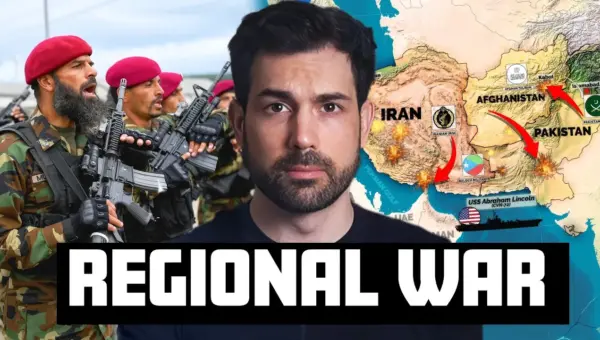
Iran War Ignites Regional Crisis: Pakistan Pulled In
The ongoing war in Iran is igniting a wider regional crisis, pulling Pakistan into escalating border conflicts with Baloch separatists and the resurgent Pakistani Taliban. Missile strikes, protests, and a refugee crisis are destabilizing the region, with significant implications for global energy markets and nuclear security.

Taliban Free American Hostage, Shifting Regional Dynamics
The Taliban has released American hostage Dennis Coyle, marking a significant moment amidst complex regional geopolitics. The move may signal a strategic effort by the Taliban to improve its international standing and potentially ease sanctions, while highlighting the ongoing US commitment to securing its citizens abroad.

Iran Nuclear Deal in Doubt Amid Hostage Release
The release of American hostage Dennis Coyle highlights ongoing geopolitical tensions, particularly with Iran. While claims of Iran agreeing to forgo nuclear weapons have been made, questions persist due to continued uranium enrichment and strategic maneuvering in the Strait of Hormuz. Meanwhile, revelations of Iranian espionage in Silicon Valley add another layer of complexity to the nation's international activities.