Democrats’ ‘Loon Wing’ Seizes Control, Analysts Say
A vocal faction within the Democratic Party, termed the 'loon wing,' is reportedly exerting significant control, influencing policy stances on issues like immigration and police funding. This dynamic is creating legislative gridlock and prompting discussions about using reconciliation to bypass opposition.

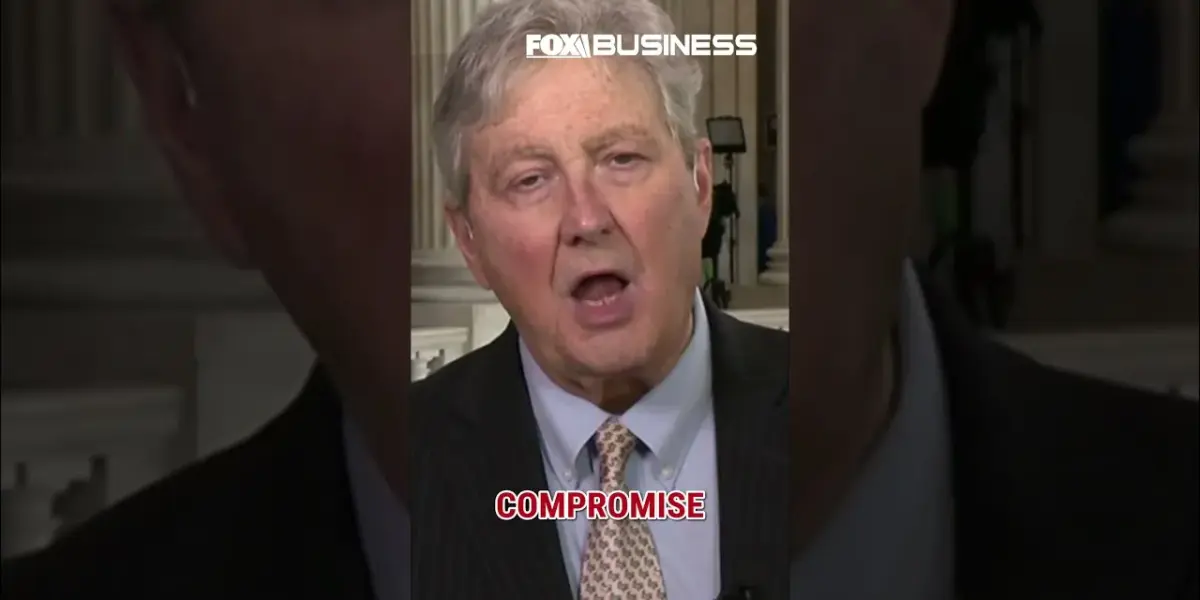
Democrats’ ‘Loon Wing’ Seizes Control, Analysts Say
A significant shift in the Democratic Party’s direction is being driven by a vocal faction, often described as the “loon wing” or “Karen wing.” This group’s influence is reportedly shaping the party’s stance on key issues, leading to a political stalemate, according to some observers.
This faction appears to be pushing for policies like defunding Immigration and Customs Enforcement (ICE) and the police. The consequences of such proposals are a major concern. A similar push to defund police departments in the past has been linked to negative outcomes, drawing comparisons to a “vampire movie” scenario, suggesting a return to a more dangerous environment.
Homeland Security Department Faces Shutdown Threat
The current political climate suggests that the Democratic Party, influenced by this “loon wing,” may be unwilling to support measures that would aid ICE. Reports indicate that Democrats have already blocked efforts to fund the Department of Homeland Security. This indicates a deep division on immigration policy and border security.
Even if opposing parties were to agree to all of the Democrats’ stated demands, it is suggested that the Democrats would likely alter the terms of any compromise. This is because they fear political backlash from the more radical elements within their own party. This dynamic makes finding common ground extremely difficult.
“They say they want us to compromise. If we went to them today and said, ‘We agree with everything you say.’ They would change the deal because they don’t want to be punished politically by the loon wing of their party. That is reality.”
This perspective highlights a perceived unwillingness to negotiate in good faith, driven by internal party pressures. The reality of this political landscape, while perhaps not ideal for some, is seen as the current state of affairs. Understanding this dynamic is crucial for navigating future policy debates.
Reconciliation as a Path Forward?
Given the apparent impasse, the strategy may shift towards working around the Democratic Party’s current leadership. One proposed method to bypass legislative gridlock is through a process called reconciliation. This is a special Senate procedure that allows certain budget-related bills to pass with a simple majority vote, bypassing the need for 60 votes to overcome a filibuster.
Reconciliation is a powerful tool that can be used to advance legislation when bipartisan agreement is impossible. However, its use is limited to specific types of bills and requires careful consideration of its implications for the broader legislative agenda and political climate.
Market Impact
The political deadlock and potential use of reconciliation could have significant implications for financial markets. Uncertainty surrounding funding for critical government agencies like ICE and the Department of Homeland Security can create volatility. Investors often react negatively to unpredictable government shutdowns or funding gaps.
Furthermore, the passage of legislation through reconciliation, bypassing normal debate and amendment processes, can lead to market uncertainty. The specifics of any bills passed this way could have direct impacts on various sectors, from defense and security to immigration-related industries. Investors will be closely watching how these political maneuvers translate into concrete policy changes and their subsequent economic effects.
What Investors Should Know
Investors should pay close attention to the ongoing political negotiations and the specific policy proposals being debated. The influence of different factions within the Democratic Party, as described, suggests that policy outcomes might be more extreme or unpredictable than in the past.
The potential use of reconciliation means that significant legislative changes could occur rapidly, with less opportunity for market participants to adjust. Understanding the fiscal implications of any budget reconciliation bills will be key. This includes how they might affect government spending, revenue, and national debt.
Areas like national security, border management, and the broader economy could be impacted. Investors should consider how these policy shifts might affect companies operating in or reliant on government contracts and immigration flows. Diversification and a long-term perspective remain essential strategies during periods of political and economic uncertainty.
Source: Sen Kennedy: The 'LOON WING' of the Democratic Party is in control #shorts (YouTube)

Related Articles
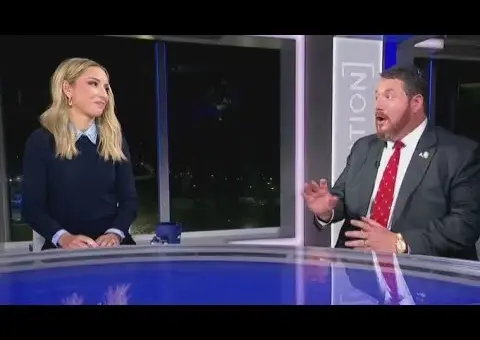
House Republicans Reject Senate Deal, Sparking Government Funding Clash
House Republicans have rejected a Senate bill to end the government shutdown, citing insufficient border security measures. Congressman Randy Fine called the Senate deal a "disgrace" and highlighted the ongoing fight for full government funding. President Trump's executive order to pay TSA agents offers temporary relief, but the core disagreement over border security continues to paralyze Washington.

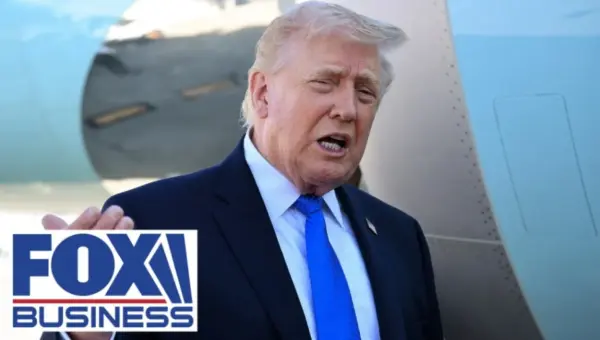
House Rejects Senate Bill, Citing Border Security Funding Gaps
House Republicans are rejecting a Senate funding bill, arguing it lacks essential appropriations for ICE and CBP, threatening anti-trafficking efforts and border security. They plan to pass a short-term measure to force renewed negotiations.


Voter ID: Common Sense or Suppression?
A growing debate surrounds voter ID laws, with proponents calling them a common-sense measure against fraud and opponents fearing voter suppression. Many countries and U.S. states already require ID to vote.