Iran Eyes Peace Talks Amid Shifting Global Alliances
Iran is hesitant to join peace talks with the U.S. due to past attacks following previous negotiations. Senator JD Vance is being considered as a U.S. negotiator, while Israel's aggressive stance complicates de-escalation efforts.

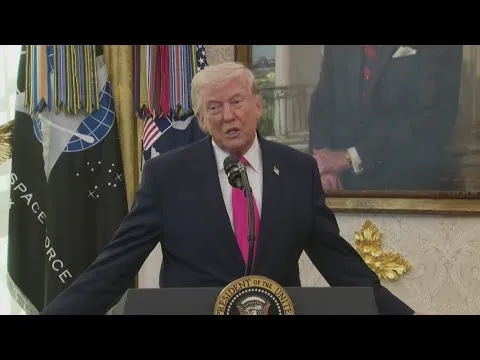
Iran Hesitates on Peace Talks, Citing Past Betrayals
Iran is showing strong reluctance to commit to peace talks with the United States. This hesitation stems from a deeply negative experience during previous negotiations. The last time Iran agreed to talks, it was on the eve of a major U.S. military strike. This surprise attack resulted in the deaths of many Iranian government officials. The event was compared to the attack on Pearl Harbor due to its brutality and shock value. Because of this history, Iran feels understandably wary of entering new discussions. They fear a repeat of past betrayals, where talks were followed by further aggression.
US Seeks Diplomatic Off-Ramp Amid Domestic Pressures
The United States appears to be looking for a way to de-escalate the conflict with Iran. This push for peace talks comes at a critical time for President Biden’s administration. With midterm elections approaching, the White House is facing domestic pressure. Rising energy prices and the general cost of living are major concerns for American voters. A prolonged conflict with Iran could worsen these economic issues. Therefore, finding an “off-ramp” to end hostilities is a strategic priority for the administration.
Senator Vance Tapped for Key Negotiator Role
Senator JD Vance has been identified as a potential lead U.S. negotiator for these talks. This choice is interesting for several reasons. While Vice President Kamala Harris is a high-level figure, Vance is a Senator. However, Vance has previously held less aggressive stances on foreign policy. Some observers believe he has been bypassed by more hawkish elements within the government. His involvement could be an attempt to present a less confrontational American front. The goal might be to signal a genuine desire to avoid further war. However, it remains unclear if this message will be believed by Iran or other parties involved.
Israel’s Stance Complicates Peace Efforts
A significant wildcard in these potential peace talks is Israel. The Israeli Defense Forces (IDF) are deeply involved in the ongoing conflict. Reports suggest Israel is eager to see the conflict through to its conclusion. They may be accelerating their actions to preempt any U.S.-led peace initiative. While America talks about negotiation, Israel appears focused on military action. They are continuing to launch strikes and missiles. This divergence in approach between the U.S. and Israel creates a complex diplomatic situation. Iran has retaliated with strikes on infrastructure in Gulf states and attacks on Israel itself. This escalates the regional tensions, making any negotiation more difficult.
Historical Context: The Shadow of Past Agreements
The current situation echoes historical patterns in international diplomacy. The memory of failed treaties and broken promises heavily influences trust between nations. For Iran, the 2020 assassination of General Qassem Soleimani by the U.S. remains a defining moment. It demonstrated a willingness by the U.S. to use targeted lethal force outside of declared hostilities. This event, coupled with the previous experience of talks leading to attack, fuels Iran’s deep-seated suspicion. The U.S., on the other hand, is navigating a complex domestic political environment. The desire to avoid a costly and unpopular war is a powerful motivator, similar to past administrations seeking diplomatic exits from protracted conflicts.
Economic Leverage and Dependencies
The conflict’s economic dimensions are significant. Iran is a major oil producer, and disruptions to its exports or regional energy routes can impact global prices. The U.S. has employed sanctions against Iran, aiming to cripple its economy and limit its ability to fund military activities. However, these sanctions can also create economic hardship for the Iranian population, potentially fueling resentment. The involvement of Gulf states in the conflict highlights the importance of regional energy infrastructure. Any attacks on these facilities could have far-reaching economic consequences worldwide.
Regional Dynamics and Shifting Alliances
The conflict is not just a bilateral issue between the U.S. and Iran. It involves a complex web of regional actors. Israel’s security concerns are paramount, and its actions are often driven by a perceived existential threat from Iran. Other Gulf states are also impacted, facing direct attacks and dealing with the economic fallout. The involvement of countries like Pakistan, potentially hosting talks, shows the regional diplomatic efforts underway. These alliances and rivalries shape the strategic calculus for all parties involved, making a comprehensive peace agreement challenging to achieve.
Global Impact: A World Watching Closely
This standoff has significant implications for the global order. The potential for escalation could draw in more regional powers and even impact global energy markets. The effectiveness of U.S. diplomacy is being tested, especially in its ability to coordinate with allies like Israel. For Iran, the outcome will determine its future relationship with the international community and its regional standing. The world is watching to see if diplomacy can prevail over military action, and whether past grievances can be overcome to forge a path toward lasting peace.
Future Scenarios: Paths Forward
Several future scenarios are possible. One path involves successful, albeit difficult, negotiations leading to a de-escalation. This would require significant concessions and trust-building from both sides. Another scenario is continued military confrontation, with intermittent peace talks that fail to yield results. This could lead to further regional instability and economic disruption. A third possibility is a prolonged stalemate, where tensions remain high but major escalation is avoided. The most likely outcome may depend on the political will of the leaders involved, the pressure from domestic constituencies, and the influence of key international and regional players.
Source: Iran 'understandably reluctant' about peace talks: Geraldo Rivera | NewsNation Live (YouTube)

Related Articles


Iran Targets US With Cyberattacks, Escalating Digital Warfare
Iran is increasingly using cyberattacks to challenge the U.S., as seen in a recent hack of the FBI director's account. Experts say this is a strategic shift due to Iran's limitations in conventional warfare. The U.S. needs to strengthen its digital defenses, focusing on encryption and cloud computing, rather than solely relying on traditional security measures.

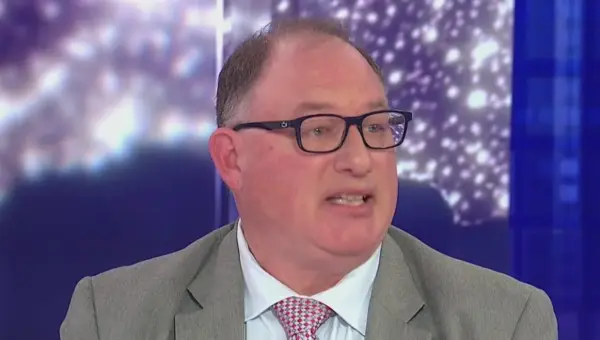
Iran Hacks FBI Chief, Exposing U.S. Cyber Vulnerabilities
A recent hack of FBI Director Kash Patel's personal email by an Iran-linked group highlights Iran's growing cyber threat to the U.S. Experts explain how simple security oversights are exploited, emphasizing the need for basic defenses like two-factor authentication to protect against propaganda and potential infrastructure attacks.
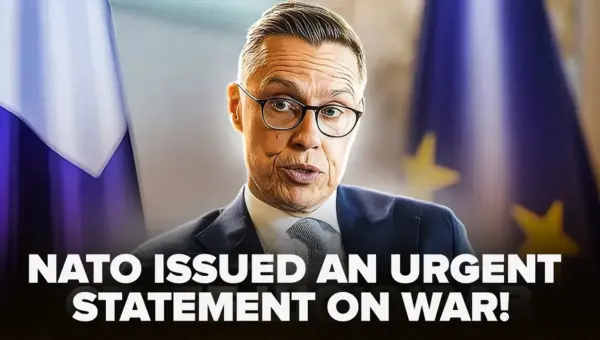
Ukraine Strikes Russian Oil Refinery, Eyes Iran Threat
Ukrainian forces struck a key Russian oil refinery, disrupting Moscow's war capabilities. Meanwhile, Finland's president urged continued U.S. support for Ukraine, as Kyiv shares its air defense expertise globally amid growing geopolitical complexities involving Iran and potential sanctions against Hungary.