Trump’s Iran War Plans Spark GOP Backlash, Public Doubt
Republican lawmakers are voicing serious concerns over Donald Trump's potential military plans in Iran, citing a lack of transparency and a clear strategy. The situation raises fundamental questions about democratic accountability and the public's right to a say in decisions leading to war.


Trump’s Iran War Plans Spark GOP Backlash, Public Doubt
Whispers of Donald Trump’s potential military actions in Iran are growing louder, raising serious questions about the administration’s strategy and transparency. Reports suggest a possible ground invasion or the seizure of Car Island, a key strategic location off Iran’s coast. This has led to sharp criticism from within Trump’s own party, with Republican lawmakers questioning the lack of a clear plan despite significant troop movements in the Middle East.
The situation is complex, involving not just the human and financial costs of war, but also fundamental questions about democratic accountability. The speaker highlights a core concern: that the American people are not being adequately consulted or given a real say in decisions that could lead to war, especially when the stated goals and actions seem to contradict each other.
GOP Lawmakers Voice Concerns
Key Republican figures, including House and Senate Armed Services Committee Chairs Mike Rogers and Roger Wicker, have publicly expressed frustration. They report not receiving enough information from the Department of Defense about the situation in Iran, the available options, and the reasoning behind them. This lack of clarity from within Trump’s party suggests a deep division or confusion about the administration’s intentions.
Representative Nancy Mace also voiced strong opposition after a House Armed Services briefing. She stated unequivocally, “I will not support troops on the ground in Iran.” Mace drew parallels to past military interventions, warning against turning Iran into “another Iraq” and criticizing what she termed the “Washington war machine” pushing for conflict.
Questions of Strategy and Success
The narrative surrounding the conflict’s progress is also under scrutiny. While the administration has claimed victories, such as destroying Iran’s air force and navy, critics point out that these assets are largely outdated. The continued inability to ensure safe passage through the Strait of Hormuz, even for allied ships, raises doubts about the extent of U.S. success and the effectiveness of current strategies.
The concept of “mission creep,” where a military operation expands beyond its original scope, is discussed, but the current situation is described as something more profound: “mission inversion.” This suggests that the original objectives have been overshadowed by new, potentially more dangerous missions, such as trying to fix the consequences of initial actions by opening the Strait of Hormuz.
Historical Context and Democratic Principles
Historically, U.S. involvement in the Middle East has often been marked by lengthy engagements and significant costs. The debate over going “boots on the ground” brings to mind past conflicts where initial objectives evolved, leading to prolonged military presence and unintended consequences. The speaker emphasizes that in a democracy, citizens should have a voice in decisions about war, and leaders should provide clear explanations for military actions and the use of taxpayer money.
The current situation is seen as particularly undemocratic, with decisions potentially being made without broad public consent or understanding. The call for transparency and accountability from military and political leaders is a recurring theme, highlighting the importance of citizen input in foreign policy.
Divergent Views on Iran’s Resilience
Commentary from figures like Caroline Levitt suggests a belief that President Trump is prepared for decisive action, viewing any further Iranian aggression as a result of the regime’s failure to accept defeat. However, others argue that this perspective oversimplifies the complex reality of Iran’s political and social structure. Unlike some other nations, Iran’s military and political institutions, particularly the Islamic Revolutionary Guard Corps (IRGC), are deeply interwoven into the fabric of the country.
Taking out specific leaders or military assets may not be enough to dismantle the regime, as IRGC members are embedded across various sectors, including banking and education. This deep integration suggests that a ground war might be the only way to achieve certain objectives, a prospect that carries immense risks and costs.
Calls for Accountability and Personal Sacrifice
The discussion also touches on the personal commitment of leaders to military action. Former Minnesota Governor Jesse Ventura criticized Donald Trump, calling him a “draft-dodging coward” and challenging him to send his own son, Barron Trump, to enlist in the military. This sentiment reflects a broader idea that leaders should be willing to make personal sacrifices or have their families share in the risks of war, rather than sending other people’s children into harm’s way.
The speaker also notes observations about Donald Trump’s physical appearance during public appearances, suggesting he is not looking his best. However, the focus remains on the policy implications and the gravity of potential military engagement.
Why This Matters
The potential for a U.S. ground operation in Iran carries profound implications. It raises concerns about escalation, regional stability, and the immense human and financial toll of protracted conflict. The lack of clear communication and public debate surrounding these potential actions undermines democratic principles. The criticism from within the Republican party itself highlights significant internal disagreements and a potential lack of consensus on foreign policy, even among those who generally support a strong military stance.
Implications and Future Outlook
The situation suggests a dangerous path toward potential escalation, driven by unclear objectives and a lack of public consensus. The strategy seems to be shifting from initial actions to a reactive phase of trying to manage the consequences, which could lead to a more significant and costly military engagement. The reliance on outdated military assessments and a misunderstanding of Iran’s societal structure could lead to miscalculations with severe repercussions.
The future outlook depends heavily on whether the administration can articulate a clear, justifiable strategy and engage in open dialogue with the public and Congress. Without this, the risk of “mission inversion” and a costly, prolonged conflict remains high. The criticism from within the Republican party also suggests that any military action may face significant political hurdles and public opposition.
Source: Republicans drop BOOTS ON THE GROUND Bombshell?! (YouTube)

Related Articles
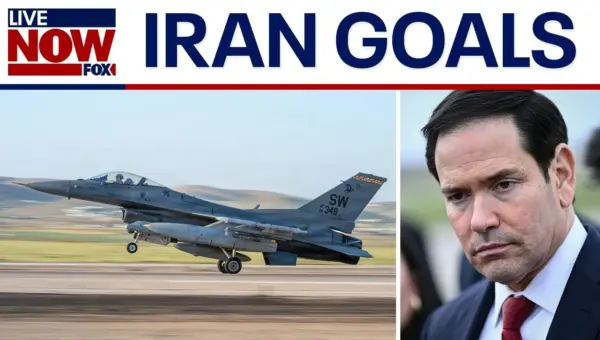
Rubio: US Can Achieve Iran War Goals Without Troops
Senator Marco Rubio outlined a strategy to counter Iran without deploying U.S. ground troops, focusing on weakening the regime and enhancing maritime security. He also criticized Cuba's economic system and expressed concerns about West Bank violence.

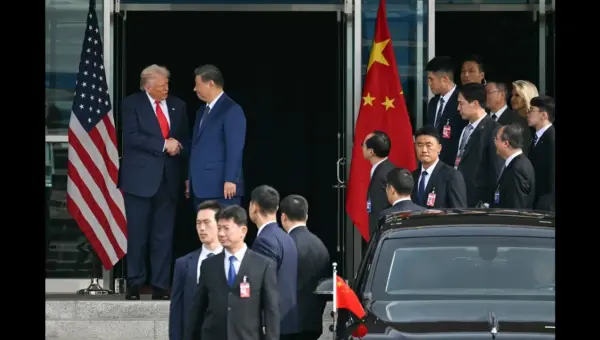
Trump’s “Walk Away” Tactic Signals Tougher Stance on China
Retired Air Force Brigadier General David Stillwell believes President Trump's strategy of being willing to walk away from negotiations puts pressure on China. This tactic, combined with US global actions and strengthened alliances, signals a more assertive American foreign policy.


Israel Escalates Iran Strikes, Warns of Wider War
Israel has launched significant strikes inside Iran following continued missile fire, warning of further escalation. The conflict risks wider regional instability and economic disruption, especially concerning the Strait of Hormuz.