Markets Surge as Iran Nuclear Fears Ease, Troops Deploy
Global markets surged as hopes for a de-escalation in U.S.-Iran tensions grew, despite the deployment of U.S. troops to the Middle East. Oil prices fell as investors bet on continued supply. However, concerns about inflation and stagflation persist.

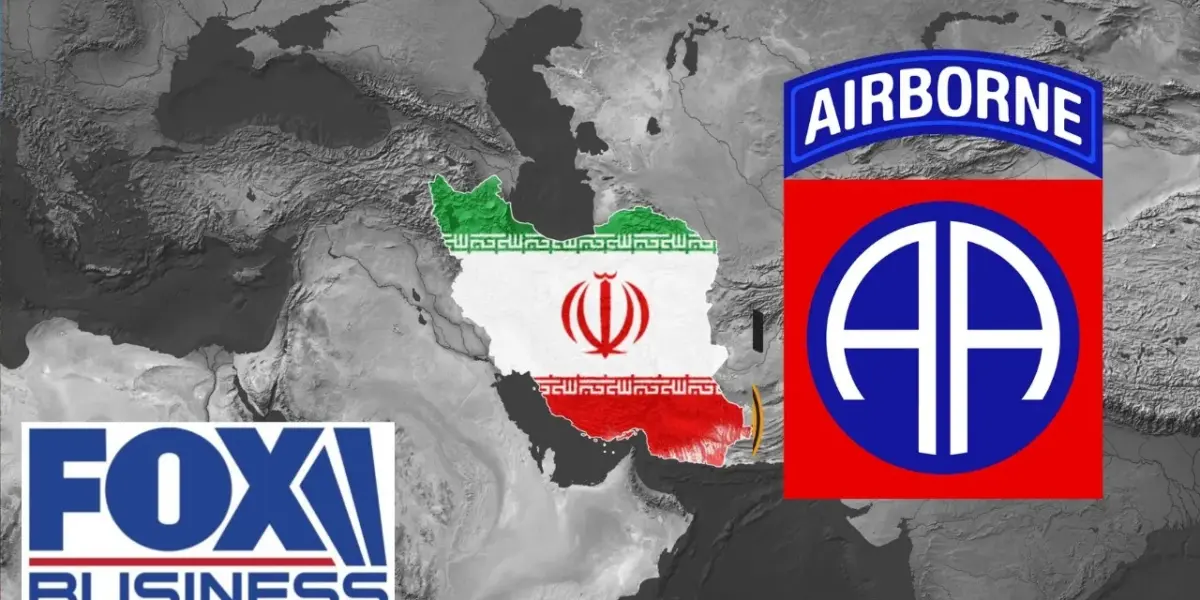
Markets Rally as Iran Nuclear Deal Hopes Rise, Troops on Alert
Global markets reacted positively this week to signals suggesting a potential de-escalation in tensions between the United States and Iran. Stocks saw a significant jump, while oil prices moved lower, indicating investor optimism about a possible resolution. This shift comes as the U.S. prepares to deploy elements of the 82nd Airborne Division to the Middle East, a move analysts describe as both an insurance policy and a diplomatic pressure tool.
Iran Nuclear Program Concerns Potentially Addressed
The immediate fear that Iran might be close to developing a nuclear weapon appears to be easing, according to some interpretations of recent events. While the exact nature of the discussions remains unclear, there are indications that Iran has agreed in principle to some demands, though Iranian officials have also stated they do not agree to all demands. This ambiguity makes it challenging to fully grasp the situation, but the market is trading on the possibility of peace.
“Whatever Iran says, they are lying. That is the only thing that we can understand with certainty.”
– Market Analyst
Oil Prices Show Resilience Amidst Geopolitical Uncertainty
Despite ongoing concerns and the Strait of Hormuz remaining a point of tension, West Texas Intermediate (WTI) crude oil has traded below $91 a barrel. This is notable because very little oil has been traveling through the Strait of Hormuz, a critical shipping lane. Analysts suggest that the market’s reaction indicates an expectation that oil will continue to flow, potentially with Iran increasing its production and exports without sanctions. This would bring Iran back into the global market, impacting overall supply and prices.
U.S. Troop Deployment Signals Strategic Posture
The deployment of the 82nd Airborne Division, along with the USS Tripoli carrying 800 Marines and support logistics, signals a strategic U.S. posture in the region. While not necessarily an immediate threat, these deployments are seen as a way to apply pressure and maintain stability. The arrival of these forces is timed with potential diplomatic deadlines, adding another layer of complexity to the unfolding situation.
Inflationary Pressures and Stagflation Concerns Linger
Beneath the surface of geopolitical developments, some economic indicators are raising concerns. Import prices for February rose by 1.3%, double the expected amount. Prices for computers and semiconductors saw a record 7.7% jump, indicating strong demand but also contributing to inflationary pressures. Analysts are watching for signs of stagflation, a scenario of high inflation combined with slow economic growth. While current conditions are not as severe as in the 1970s, the prolonged closure of the Strait of Hormuz could exacerbate these risks.
Market Impact: What Investors Should Know
The market’s current optimism is heavily reliant on a sustained de-escalation of tensions with Iran. The key indicators for investors to watch include the status of the Strait of Hormuz and any further developments regarding Iran’s nuclear program. The resilience of oil prices, even with reduced flow through the Strait, suggests a market anticipating continued supply. However, persistent geopolitical risks and rising import prices could lead to increased inflation, potentially impacting corporate earnings and consumer spending.
The deployment of U.S. troops serves as a reminder of the underlying risks, acting as a backstop should diplomatic efforts fail. Investors should be prepared for market volatility, as the situation remains fluid. The potential for Iran to increase oil exports could also lead to lower energy prices in the long term, benefiting consumers and certain industries, but the immediate path forward is uncertain.
Long-Term Implications and Investor Outlook
If a deal is struck that allows Iran to increase oil exports, it could significantly alter global energy markets. This would likely lead to lower oil prices, which could dampen inflationary pressures. However, the long-term stability of such an agreement remains to be seen. The U.S. administration’s stance on preventing Iran from obtaining nuclear weapons is a critical factor. Should negotiations fail, the risk of further conflict could escalate, leading to renewed volatility in oil prices and broader market disruptions.
Investors are looking for clear signals of a lasting peace and a stable energy supply. The coming days and weeks will be crucial in determining whether the current market optimism is sustained or if geopolitical risks will once again dominate investor sentiment. The potential for a “Venezuela option” in Iran, suggesting a shift towards greater oil production and export, is a significant factor to monitor.
Source: 'NEGOTIATION PRESSURE TOOL': US set to DEPLOY some 82nd Airborne to the Middle East (YouTube)

Related Articles
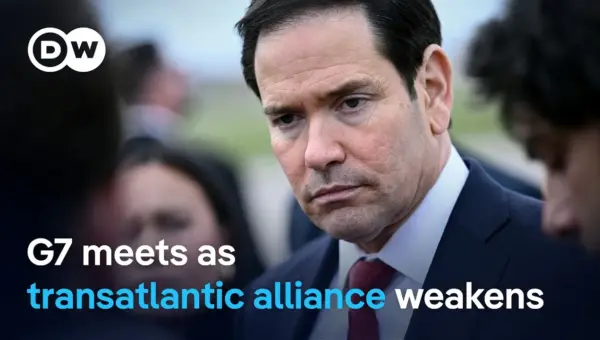
G7 Allies Clash Over Iran War Strategy, Urge Focus on Russia
G7 foreign ministers met in Paris, revealing deep divisions over the U.S. war with Iran. European allies urged the U.S. to pressure Russia, linking its actions to the conflict and fearing support for Ukraine will wane.
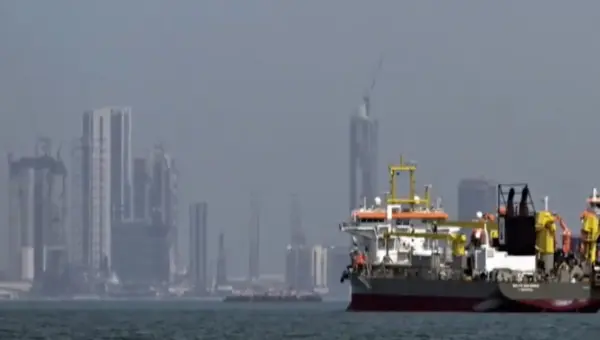
Iran Blocks China Ships, Exposing Beijing’s Weak Grip
Iran's recent decision to block Chinese ships at the Strait of Hormuz is exposing the limits of Beijing's influence in the Middle East. This action is causing delays and cancellations for Chinese manufacturers, turning a perceived geopolitical win into an economic strain.
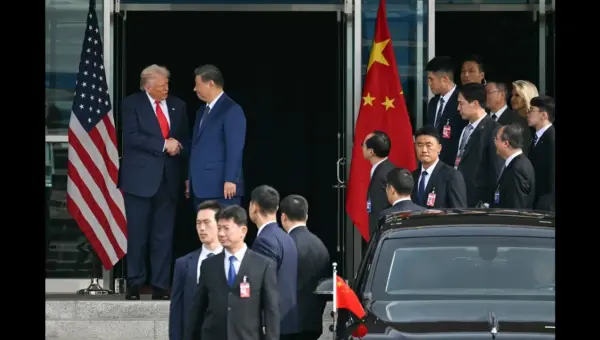
Trump’s “Walk Away” Tactic Signals Tougher Stance on China
Retired Air Force Brigadier General David Stillwell believes President Trump's strategy of being willing to walk away from negotiations puts pressure on China. This tactic, combined with US global actions and strengthened alliances, signals a more assertive American foreign policy.