Trump & Netanyahu Clash on Iran: Deal vs. Military Force
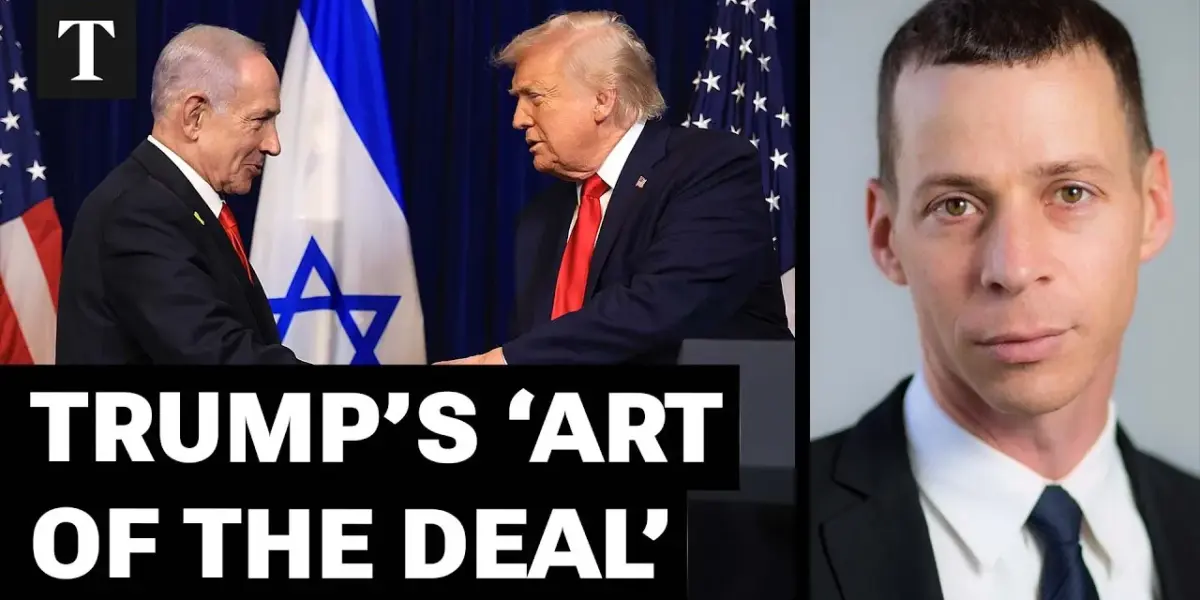
The U.S. is deploying troops to the Middle East amid rising tensions with Iran, highlighting a strategic divide between President Trump's 'art of the deal' and Prime Minister Netanyahu's call for military pressure. Experts analyze the troop movements as potential negotiation tactics and assess the differing approaches to confronting Iran.

US Sends Troops Amid Iran Tensions, Divergent Strategies Emerge
The United States is mobilizing significant military forces to the Middle East, deploying elements of the 82nd Airborne Division and Marines. This move comes amid rising tensions with Iran and highlights a stark difference in approach between President Donald Trump and Israeli Prime Minister Benjamin Netanyahu. While Trump favors a diplomatic “art of the deal” strategy, Netanyahu believes aggressive military pressure is the only path to defeating fundamentalist threats.
Military Deployment: What It Means
Retired British Army officer and military logistics expert, Major General Tim Cross, explained the significance of the troop deployment. The 82nd Airborne Division, a large and versatile fighting force, can deploy via parachute or aircraft. The Marines, part of the continuously deployed Marine Expeditionary Units, are highly experienced in rapid deployment from the sea, with all necessary equipment readily available.
These units can execute beach assaults or land on friendly territory for further operations. However, Cross cautioned that the numbers involved, while capable, are relatively small compared to the hundreds of thousands of troops used in past Gulf Wars. He noted that securing territory in a large country like Iran would be a significant challenge for these forces, raising questions about their long-term sustainability.
Kish Island: A Strategic Target?
Kish Island, a key location controlling about 90% of Iran’s oil exports, has been identified as a potential target. Other smaller, disputed islands between the UAE and Iran are also mentioned as possible objectives. The deployment of these forces could be seen as a tactic to exert pressure during ongoing negotiations or as preparation for potential military action.
Historical Precedents: Deployment as a Tactic
Major General Cross drew parallels to historical military deployments used as negotiation tactics. He referenced the deployment of British forces to the Balkans in the 1990s, intended to pressure Slobodan Milošević into allowing peacekeepers into Kosovo. Similarly, the buildup of troops for the first Gulf War aimed to deter Saddam Hussein and demonstrate sufficient combat power to liberate Kuwait. However, he noted that in both cases, the targets did not yield to pressure, suggesting that such deployments may not always achieve their diplomatic aims.
Cross expressed skepticism that the Iranian Republican Guard would concede simply due to the arrival of a limited number of U.S. troops, as they are aware it’s insufficient for sustained, large-scale damage. Nevertheless, he acknowledged that taking islands like Kish could significantly pressure Iran’s military capabilities, which have already been degraded by U.S. and Israeli actions.
Iran’s Response and Diplomatic Signaling
Iran’s Parliament Speaker, Mohammad Bagher Ghalibaf, issued a strong warning, stating that enemies, with support from a regional country, are preparing to occupy an Iranian island. He asserted that any misstep would result in relentless attacks on the vital infrastructure of that regional country. This statement suggests Iran views the troop movements as a direct threat, potentially targeting U.S. bases in the Gulf, such as those in Qatar or the UAE.
Cross pointed out that signaling intentions to an adversary is unusual in military strategy. He noted that giving Iran advance warning allows them to reinforce key locations like Kish Island or deploy missile systems and drones. Alternatively, Iran might concentrate its remaining forces to attack U.S. bases in the region.
Divergent Views: Trump’s Deal vs. Netanyahu’s Force
Amit Segal, chief political analyst at N12 News, highlighted the fundamental disagreement between Trump and Netanyahu. Segal explained that while both leaders share the goal of confronting Iran, they differ on the methods. Netanyahu advocates for overwhelming military force, while Trump relies on negotiation and leverage, as detailed in his book, “The Art of the Deal.”
Segal noted that Netanyahu has historically lobbied U.S. presidents to confront Iran. He believes Trump has been a unique partner, even greenlighting Israeli attacks and cooperating in joint operations against Iran. Despite this cooperation, Segal described Netanyahu’s stance as “cautious pessimism,” suggesting Israel would prefer to continue military operations to dismantle Iran’s military capabilities and nuclear program.
The Future of the Conflict and Diplomacy
Segal suggested that if the conflict ends prematurely, Iran would likely remain a significant threat. He acknowledged that even if the war concludes soon, Israel is in a stronger position than before, and Iran’s international standing has weakened. However, he cautioned against expecting the immediate collapse of the Iranian regime, a sentiment held by some in both Israel and the United States.
Regarding potential U.S. boots on the ground, Segal expressed uncertainty about whether Israel would join such an operation, suggesting Israeli forces might be focused on other fronts. He also addressed the tragic situation in southern Lebanon, where Israeli operations against Hezbollah have caused displacement and humanitarian issues. Segal attributed the conflict directly to Hezbollah’s actions in firing rockets at Israeli civilians, stating that Hezbollah is now protecting Iran rather than Lebanon.
The core question remains: what are President Trump’s ultimate objectives in Iran, and how will he adapt to the evolving situation? Major General Cross emphasized that keeping the enemy guessing and maintaining uncertainty is a sound military principle. President Trump’s approach, by keeping his options open and communicating in ways that create chaos for adversaries, could be a deliberate strategy to disrupt Iran’s decision-making cycle.
Source: Trump Pushes ‘Art Of The Deal’ Approach But Netanyahu Wants More Military Pressure | Amit Segal (YouTube)

Related Articles
Rubio: US Can Achieve Iran War Goals Without Troops
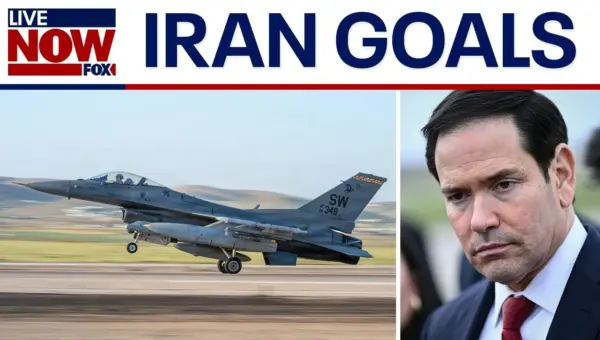
Senator Marco Rubio outlined a strategy to counter Iran without deploying U.S. ground troops, focusing on weakening the regime and enhancing maritime security. He also criticized Cuba's economic system and expressed concerns about West Bank violence.


Israel Escalates Iran Strikes, Warns of Wider War
Israel has launched significant strikes inside Iran following continued missile fire, warning of further escalation. The conflict risks wider regional instability and economic disruption, especially concerning the Strait of Hormuz.

Trump’s Name Everywhere: A ‘Stain’ on GOP Legacy?
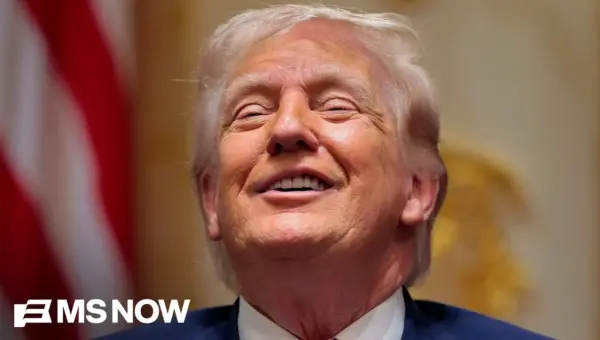
Former President Donald Trump's efforts to brand national symbols, including a proposed signature on dollar bills, spark debate. Critics view this as an authoritarian attempt to embed his legacy, potentially staining the Republican Party's history and contrasting with democratic ideals of public ownership.