Trump’s War Decisions Fueled by ‘Stuff Blowing Up’ Videos
President Trump's understanding of the war in Iran is reportedly shaped by daily videos of military strikes, raising concerns about his grasp of the conflict. Meanwhile, Iran has rejected a U.S. peace proposal, and a U.S. Senator criticizes the war as unnecessary and costly, demanding greater transparency from the administration.

Trump’s War Briefings Raise Alarms
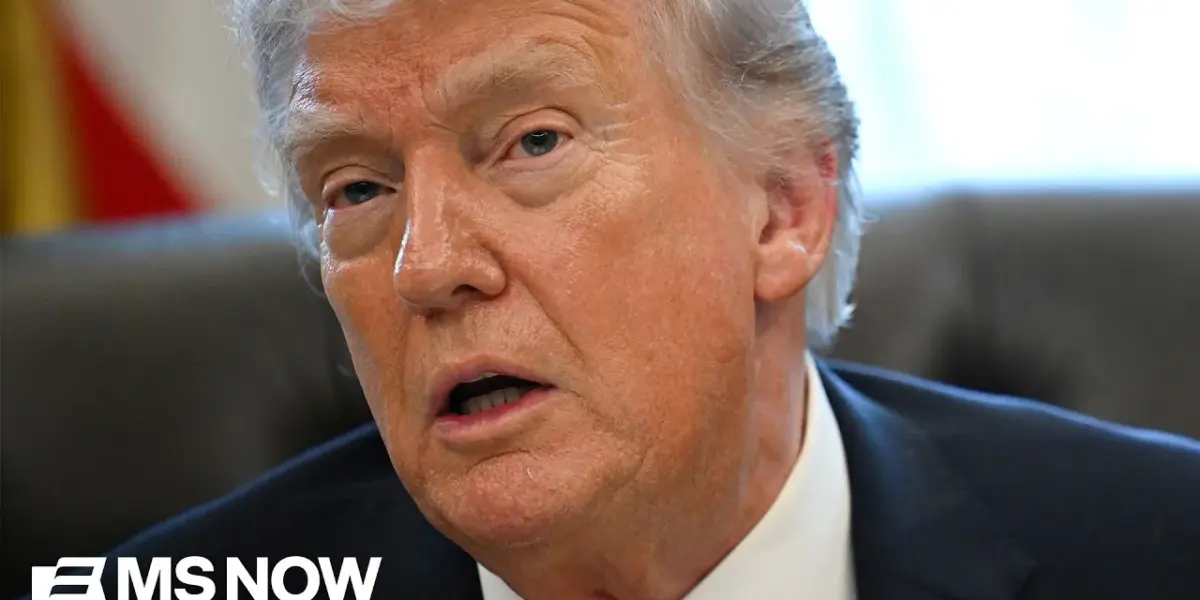
President Donald Trump’s understanding of the ongoing conflict in Iran may be shaped by daily video montages of military strikes, according to new reporting. Three current and one former U.S. official told NBC News that military officials compile these video updates for the President, showcasing successful strikes on Iranian targets within the previous 48 hours. While Trump engages in numerous discussions about the war with advisors and foreign leaders, these video briefings are sparking concerns among some allies. They worry that he might not be receiving or fully grasping the complete picture of the war, now in its fourth week.
Iran Rejects U.S. Peace Proposal Amid Rising Tensions
The unfolding situation in the Middle East is marked by conflicting signals. Even as the U.S. deploys an additional 3,000 troops to the region, a diplomatic source within Iran indicates that the regime has rejected a 15-point peace proposal sent by the Trump administration. Pakistan acted as an intermediary for this proposal. Iran has since issued its own demands. While some Iranian officials privately suggested they might consider meeting with U.S. negotiators in Pakistan, they would not agree to a temporary ceasefire.
Senator: “No One Is Winning This War”
Senator Jack Reed, a helicopter pilot in the Iraq War and a member of the Senate Armed Services Committee, expressed strong criticism of the current conflict. “All Donald Trump has done has actually immersed us in yet another unending war,” Reed stated. He emphasized that the war is unnecessary and lacks clear justification, having already resulted in the deaths of 13 U.S. troops and endangered thousands more. “No one is winning this war,” he reiterated, questioning the President’s rationale and exit strategy. Reed also drew a comparison to the Iraq War, noting that at least that conflict involved Congressional debate and a vote, a process he believes is lacking now.
Calls for Transparency and Oversight
Senator Reed is demanding greater transparency from the Trump administration regarding the war in Iran. He believes that officials should not hide behind closed doors when justifying putting troops in harm’s way. Despite numerous briefings, the administration has classified many details as top secret, even though some information is publicly available. Reed noted that the chairman of the committee has privately expressed that the American public would not approve of what is being discussed in these classified briefings.
“I am deeply worried for our troops who are in harm’s way. They deserve a commander-in-chief who has a grasp on reality and isn’t thinking that they are, you know, characters in a video game for him to use any way he wants.”
Senator Jack Reed
Concerns Over Commander-in-Chief’s Grasp of Reality
The reporting about President Trump viewing video montages of U.S. strikes has deeply concerned Senator Reed. He fears the President may view the conflict as a video game, using service members as “cannon fodder for his own war of choice.” Reed also criticized the Secretary of Defense, calling him “incredibly incompetent” for going along with the administration’s approach. He believes Trump is not receiving necessary advice and that the briefings are merely feeding his ego and narcissism.
Economic Consequences of the War
Beyond the human cost, the war in Iran is having significant economic repercussions at home. Gas prices are nearing $4 a gallon nationwide, and the cost of food is expected to rise. Economists predict that even if the war ended today, its consequences would be felt for many years. The conflict has also impacted crucial shipping lanes like the Strait of Hormuz, which was open before the U.S. attack and is now seeing Iran charge ships fees. Senator Reed pointed out that the substantial cost of the war could have funded vital domestic programs, such as a decade of universal preschool or providing dental, vision, and hearing coverage through Medicare for three years.
Political Divisions on War Strategy
While some Republicans, like Senator Lindsey Graham, have publicly supported President Trump’s efforts to negotiate with Iran, others are growing concerned. Graham tweeted his confidence in the President’s negotiating team to achieve military objectives. However, Senator Reed suggested that such support might be driven by a desire to appease the President. Reed urged his Republican colleagues to vote on the War Powers Resolution, which he has brought up three times. This resolution aims to stop the war until the administration can justify its actions and outline an end state.
Future of the Conflict and U.S. Policy
Senator Reed remains committed to his constitutional duty, vowing to continue using the tools of the Senate to demand public hearings. He believes these hearings are necessary to place the Trump administration under oath and provide troops and the American people with the answers they deserve. The ongoing conflict, its justification, and its ultimate resolution remain critical questions for the nation’s future.
Source: Donald Trump shown daily videos of ‘stuff blowing up’, fueling his desire to continue war in Iran (YouTube)

Related Articles
Trump Courts Farmers with Trade, Tax Promises
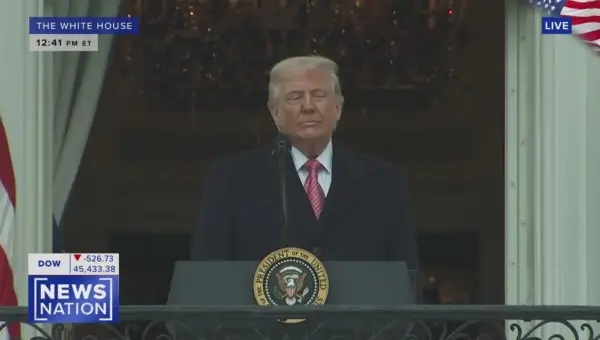
President Trump hosted a large gathering of American farmers, pledging trade deals, tax cuts, and deregulation to boost farm income. He highlighted efforts to end the estate tax and increase soybean exports to China, while also promising to lower equipment costs through reduced regulations. Analysts, however, raised concerns about the impact of tariffs and the true origin of manufactured goods.
Trump’s Fury Erupts as Iran Vows Retaliation Amidst Escalating Tensions
Former President Donald Trump has reportedly reacted with intense anger following U.S. and Israeli strikes on Iranian steel plants. Iran has vowed massive retaliation, raising concerns about regional stability and potential escalation. This event draws on a long history of U.S.-Iran tensions.


Senate Passes DHS Funding, Easing Airport Chaos Amid Shutdown
The Senate has passed a bill to fund the Department of Homeland Security, offering relief to TSA officers facing missed paychecks and aiming to ease airport chaos. Meanwhile, a near-miss incident involving a passenger plane and helicopter in Los Angeles is under investigation. TODAY's Savannah Guthrie shared her enduring faith and hope amidst her mother's disappearance, announcing her return to the show on April 6th.