Iran Demands Keep US Military Ready for Action
Crude oil prices remain stable near $100 a barrel, defying recessionary fears despite heightened geopolitical tensions with Iran. An unofficial U.S. plan demands Iran dismantle its nuclear program and cease supporting proxies, while controlling its oil revenue.

Crude Oil Prices Hold Steady Amidst Tensions
Despite ongoing geopolitical discussions, crude oil prices have remained relatively stable. In March 2012, under the Obama administration, the average price of crude oil reached approximately $123 a barrel. When adjusted for inflation, this figure would be around $175 a barrel today. Currently, with oil prices hovering near $100 a barrel, the cost is only slightly higher than the inflation-adjusted price of roughly $95 seen in January 2001. This suggests that the current oil market is not showing signs of a recessionary trend, even with the ongoing international situation.
US Military Preparedness and Unofficial Peace Plan
The United States military remains on high alert, described as “locked and loaded.” This readiness is partly attributed to what are called “ludicrous” demands from Iran in ongoing negotiations. An unofficial U.S. plan, which has not yet received official White House approval, outlines a tough stance. The plan reportedly includes 15 key points aimed at fundamentally altering Iran’s capabilities and regional influence.
Key Provisions of the Proposed Plan
- Stripping Iran of all nuclear capabilities and facilities.
- Prohibiting any uranium enrichment on Iranian soil.
- Transferring Iran’s stockpile of highly enriched uranium to the International Atomic Energy Agency (IAEA).
- Complete decommissioning and dismantling of the Natanz nuclear site, subject to inspections.
- Requiring Iran to cease support for proxy terrorist groups.
- Ensuring the Strait of Hormuz remains open and free for all vessels.
Strait of Hormuz and Financial Controls
The plan also suggests that the U.S. and its allies would have complete control over the Strait of Hormuz. Furthermore, it proposes placing Iran’s oil revenue into an escrow account at the U.S. Treasury. This would allow for direct oversight and control over how Iranian funds are disbursed. Stricter controls on Iran’s ballistic missile program are also a significant component of the proposed terms.
Iran’s Rejection and Historical Context
Iran, or its representatives, have reportedly already rejected the proposed terms due to their severity. The demands are seen as so tough that they are unlikely to be accepted. This tough stance reflects a broader historical context of U.S.-Iran relations and the ongoing efforts to curb Iran’s nuclear ambitions and regional activities.
Investor Takeaways: What to Watch
Geopolitical Risk and Oil Markets
The stability of crude oil prices, even with heightened tensions, is a key factor for investors. While the current price point does not signal an immediate recession, sustained conflict or significant supply disruptions could impact global energy markets. Investors should monitor developments in the Middle East and their potential effect on oil supply and demand dynamics.
Negotiation Outcomes and Market Sentiment
The success or failure of these negotiations will likely influence market sentiment. A resolution that de-escalates tensions could be positive for global markets. Conversely, a breakdown in talks or an escalation of conflict could introduce uncertainty. The U.S. objective appears to be a significant shift in Iran’s strategic posture, which could have long-term implications for regional stability and international relations.
Economic Impact of Sanctions and Controls
The proposed financial controls, such as placing oil revenues in escrow, highlight the potential economic pressure the U.S. aims to exert. Such measures, if implemented, could significantly impact Iran’s economy and its ability to fund regional activities. Investors in sectors sensitive to geopolitical stability and energy prices should stay informed about these developments.
Long-Term Stability vs. Short-Term Gains
While the current military actions are described as a potential short-term success, the long-term implications for regional peace and economic stability are significant. The focus on “changing history” and “decapitating radical Islamists” suggests a strategic goal beyond immediate conflict resolution. This ambitious objective could lead to prolonged engagement or shifts in regional power dynamics, impacting markets for years to come.
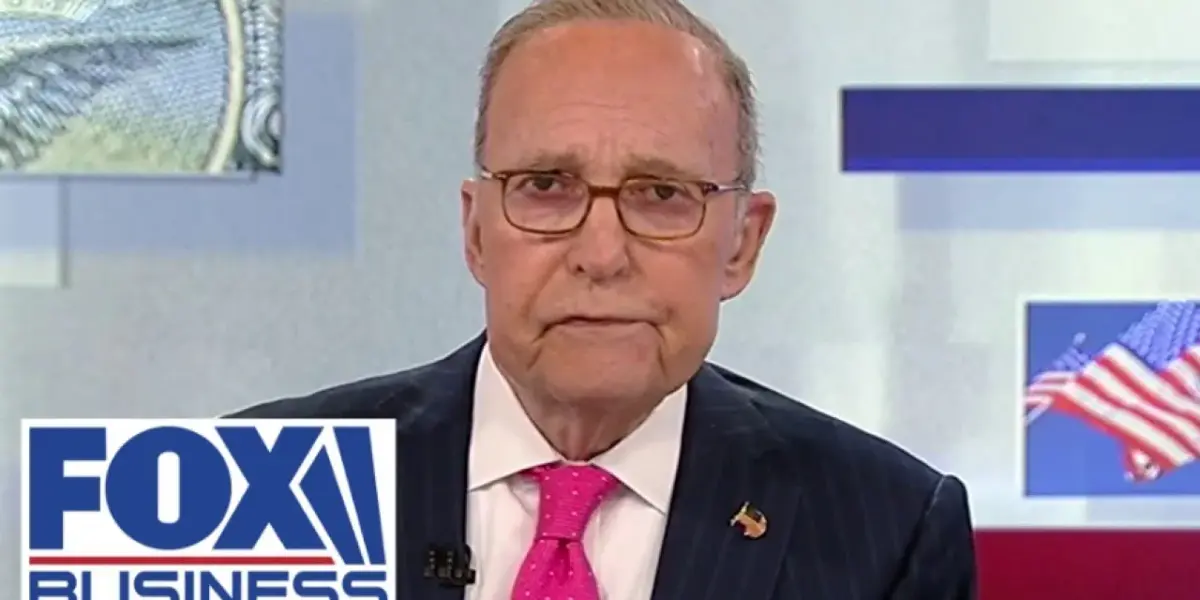
Source: Larry Kudlow: This keeps US military LOCKED and LOADED… (YouTube)

Related Articles

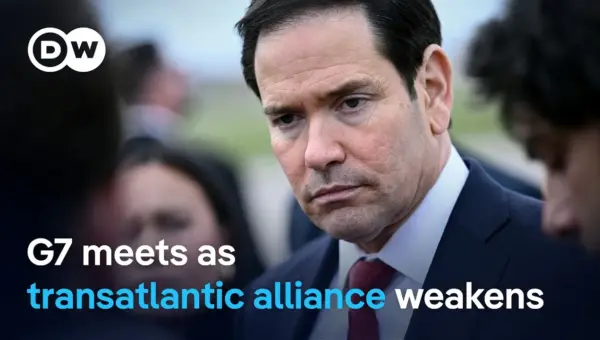
G7 Allies Clash Over Iran War Strategy, Urge Focus on Russia
G7 foreign ministers met in Paris, revealing deep divisions over the U.S. war with Iran. European allies urged the U.S. to pressure Russia, linking its actions to the conflict and fearing support for Ukraine will wane.

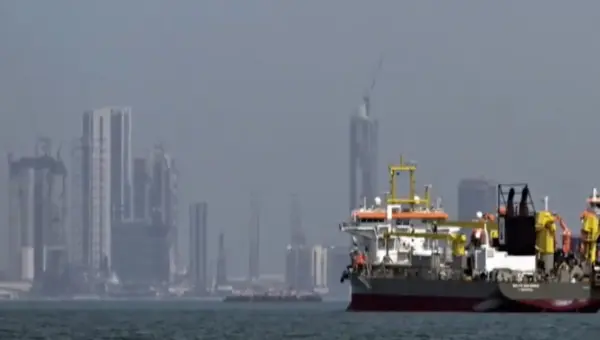
Iran Blocks China Ships, Exposing Beijing’s Weak Grip
Iran's recent decision to block Chinese ships at the Strait of Hormuz is exposing the limits of Beijing's influence in the Middle East. This action is causing delays and cancellations for Chinese manufacturers, turning a perceived geopolitical win into an economic strain.
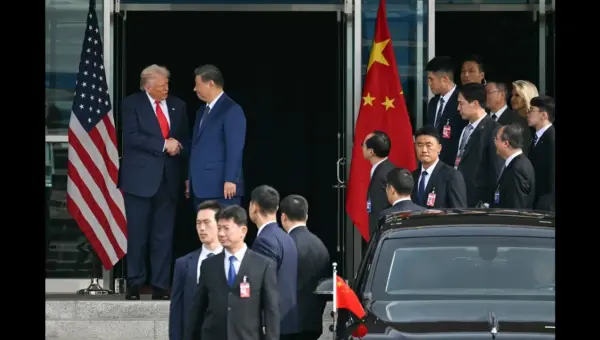
Trump’s “Walk Away” Tactic Signals Tougher Stance on China
Retired Air Force Brigadier General David Stillwell believes President Trump's strategy of being willing to walk away from negotiations puts pressure on China. This tactic, combined with US global actions and strengthened alliances, signals a more assertive American foreign policy.