Jury Finds Meta, YouTube Liable in Social Media Addiction Case
A Los Angeles jury has found Meta and YouTube negligent in their platform designs, awarding $3 million to a young woman who claimed social media addiction caused her harm. This landmark verdict could impact over 1,500 similar cases and signals a potential shift in tech company accountability. Both companies plan to appeal the decision.

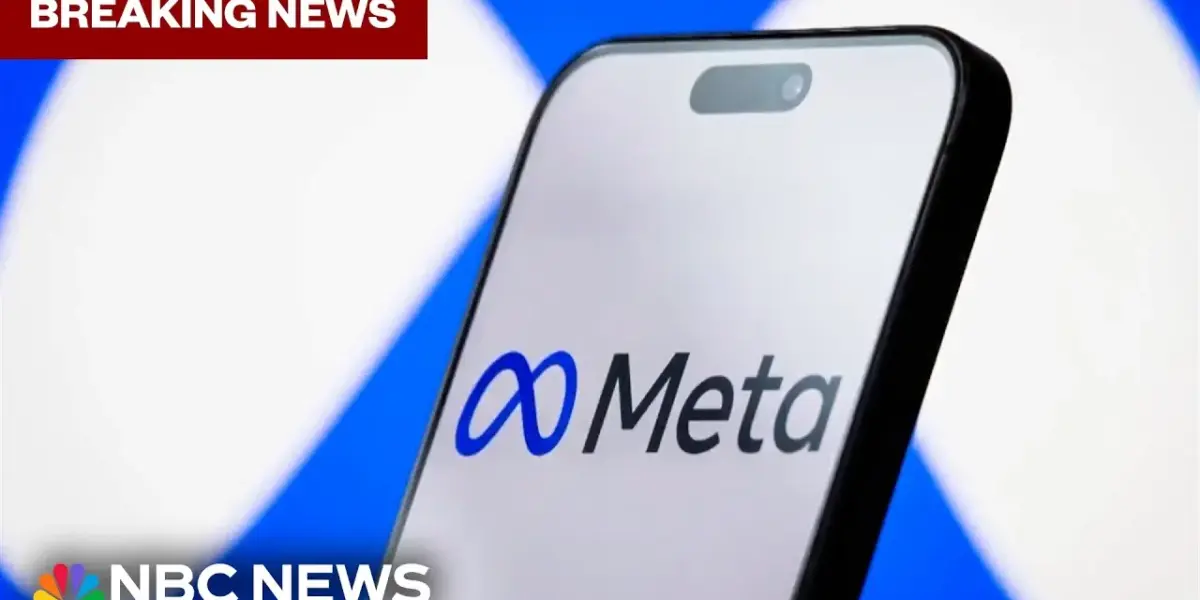
Landmark Verdict Holds Tech Giants Accountable
In a decision that could reshape the legal landscape for social media companies, a jury in Los Angeles has found Meta and YouTube negligent in their platform designs, holding them responsible for causing harm to a young woman. After nine days of deliberation, the jury awarded the plaintiff, identified as KGM, $3 million in damages. This verdict marks a significant moment, as it is one of the first times major social media platforms have been found liable for the addictive nature of their products and the harm they can cause.
Plaintiff’s Claim and Jury’s Decision
The case centered on a 20-year-old woman’s claim that her childhood use of social media led to an addiction to the technology. The jury agreed with her argument, finding that both Meta (which owns Facebook and Instagram) and Google’s YouTube were negligent in how they designed their apps. This negligence, the jury determined, led to harm for the plaintiff.
“What the jury decided here is that in the case of both YouTube and Meta, that they were negligent in the way that they designed their apps that that led to harm in this particular 20-year-old individual identified as Kayleigh GM, and that they didn’t warrant enough and for that reason, that also harmed this particular plaintiff,” explained NBC News Business and Data Correspondent Brian Chung.
Legal Ramifications and Future Cases
This verdict is considered a landmark decision because it could open the door for over 1,500 similar cases currently working their way through the legal system. The jury’s finding that these companies are liable sends a strong message and could encourage more individuals to pursue legal action against social media platforms for alleged harm.
“This could open up the floodgates for the over 1,500 other cases that are working their way through the legal system with the jury here saying, yeah, these companies are liable and they do need to pay up,” Chung added. He noted that it remains to be seen if these other cases will lead to similar outcomes.
Company Responses and Appeals
Both Meta and YouTube have responded to the verdict. Meta stated that they respectfully disagree with the verdict and are evaluating their legal options. YouTube, on the other hand, said they disagree with the verdict outright and plan to appeal. They also added that they do not see themselves as a social media site, a point that is likely to be a significant part of their appeal process.
“Meta saying quote, they respectully disagree with the verdict and evaluating their legal options, whereas YouTube saying outright that they didn’t disagree with the verdict and that they plan to appeal,” Chung reported.
Punitive Damages Under Consideration
Following the initial decision on liability and compensatory damages, the jury reconvened to consider punitive damages. These are additional damages intended to punish the defendant for particularly egregious conduct and deter similar behavior in the future. The jury found that the plaintiff had met the high standard required to prove malice, making punitive damages possible.
Legal analyst Misty Marris highlighted the significance of this step: “This is a really, really high level by clear and convincing evidence that the plaintiffs have to prove to be eligible for punitive damages, and they’re rare. So this is really a tremendous consequence. It’s a punishment essentially.” The amount of punitive damages, if any, is yet to be determined.
Context: A Recent Similar Case
This verdict comes shortly after another significant legal development. Just the day before, Meta was ordered to pay $375 million in civil penalties to young teens and children in New Mexico. That case, however, was brought by the state and focused on allegations that Instagram lacked sufficient protections against sexual predators targeting children on the app.
While the $375 million figure from New Mexico might seem much larger than the $3 million awarded in Los Angeles, it’s important to note the differences. The New Mexico case involved the state acting on behalf of many children, whereas the Los Angeles case concerned a single plaintiff. Additionally, the New Mexico case is also subject to a separate hearing for final claims where punitive damages could still be awarded.
The Road Ahead
The legal battles for Meta and YouTube are far from over. The companies have stated their intention to appeal, suggesting a long road of legal challenges ahead. This landmark verdict, however, has set a critical precedent. It signals a potential shift in how courts and juries view the responsibility of social media platforms for the impact of their products on users, especially young ones. The coming months and years will likely see further legal action and potentially new regulations as society grapples with the influence of social media on mental health and well-being.
Source: Meta and YouTube found liable of negligence in social media addiction trial (YouTube)

Related Articles

New Food Channel Seeks 1,000 Subs, 4,000 Watch Hours
Content creators Joe and Naz have launched a new YouTube channel focused on food exploration. "Joe and Naz" aims to reach 1,000 subscribers and 4,000 watch hours to grow its audience. The duo plans to feature restaurant reviews, travel, and audience-suggested content.
Meta, YouTube Lose Landmark Cases Over Teen Harm
Meta and YouTube have been found liable in landmark cases alleging their platforms contribute to harm among teenage users. Juries saw through company denials after prosecutors presented damning internal documents showing awareness of negative impacts. This ruling could lead to significant changes in how social media companies are held accountable.

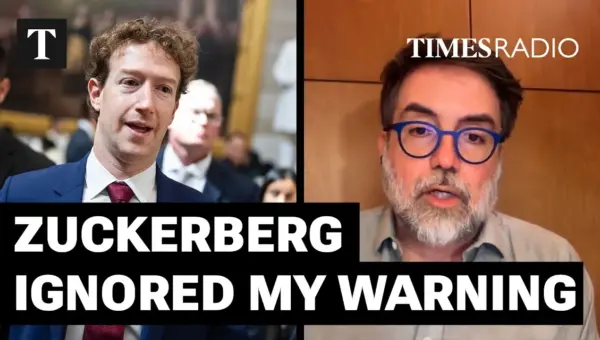
Meta Whistleblower: Zuckerberg Ignored Child Safety Warnings
A former Instagram executive revealed that Meta knew about the harm its platforms caused to children but failed to act. Art Behar testified that Mark Zuckerberg ignored his direct warnings, highlighting the addictive design and ineffective safety tools on Instagram. The recent Los Angeles ruling against Meta has opened the door for greater scrutiny of big tech's practices.