Harry Potter Fan Theories That Will Blow Your Mind
From Ron Weasley being a secret seer to Harry Potter being King Arthur, fan theories offer wild new perspectives on the beloved Wizarding World. Explore the most mind-blowing ideas that put a twist on the magic we know and love.

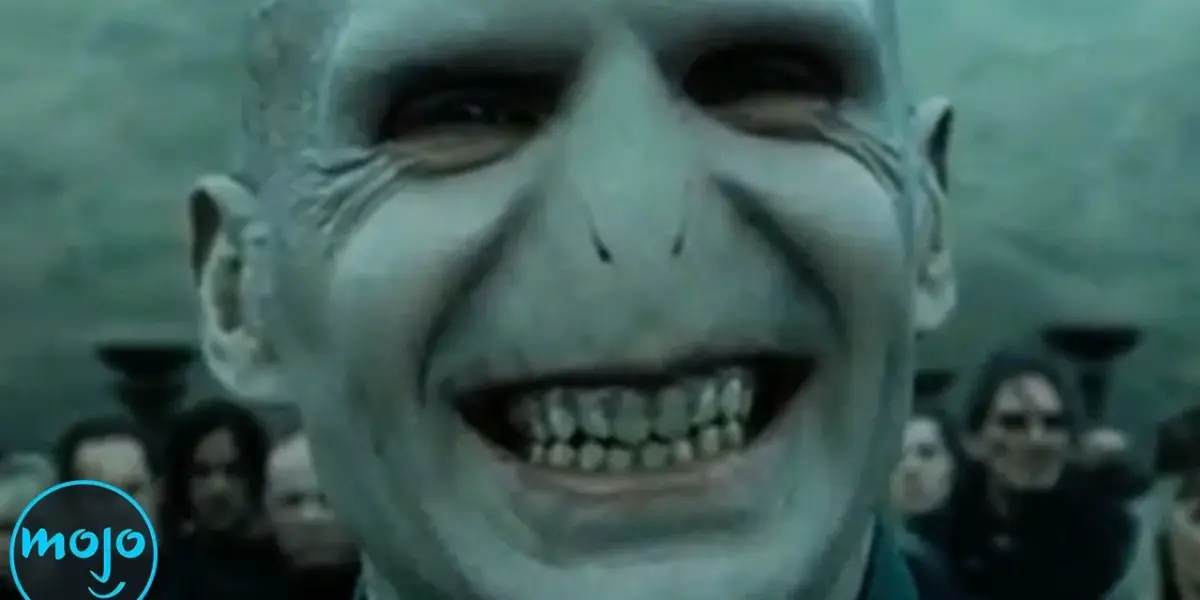
20 Mind-Bending Harry Potter Fan Theories Revealed
The Wizarding World of Harry Potter is a place where magic, mystery, and adventure collide. For years, fans have poured over every detail, sparking countless theories that offer new ways to look at the beloved stories. Watch Mojo recently counted down the top 20 most mind-blowing fan theories, and while they’re not official canon, these ideas certainly add a fun twist to the magic we know and love. So grab your wands, and let’s explore some of the most compelling fan ideas that put a new spin on Harry’s journey.
Theories That Rethink Beloved Characters
Some theories dive deep into the personalities and actions of our favorite characters, offering surprising new perspectives. One popular idea suggests that Ron Weasley is actually a seer. His seemingly random, often humorous, pronouncements sometimes hit eerily close to prophecy. His chess strategy in the first book, for example, foreshadowed the trio’s later battles where sacrifice was key. Even his quip about Hermione’s cat, Crookshanks, killing his rat, Scabbers, oddly anticipates Scabbers’ true identity as Peter Pettigrew. This theory reframes Ron’s gut feelings as untrained divination, accidental glimpses of the future hidden within jokes.
Another intriguing theory questions the relationship between Argus Filch and his cat, Mrs. Norris. What if she isn’t just a pet, but Mrs. Norris is Filch’s wife, trapped in feline form? Their bond feels deeper than owner and pet. Filch reads her reactions like he understands her thoughts, and his emotional life seems to revolve around her. In a world filled with magic, a human soul trapped in an animal form isn’t such a wild idea. This would transform Filch from a grumpy caretaker into a grieving husband, adding a layer of tragedy to his character.
Then there’s the idea that Luna Lovegood isn’t just quirky; she might be speaking in code. Her dreamy tangents about Nargles and conspiracies could be disguising sharp insights and emotional truths. This theory suggests Luna speaks in code, hiding her clarity within whimsical wordplay to avoid ridicule. She becomes a quietly perceptive guide, nudging Harry toward the right choices and helping him understand complex emotions like grief.
Even Neville Longbottom’s early struggles with magic could have a simple explanation: Neville wasn’t bad at magic; he was using the wrong wand. His first wand was his father’s, and while magic can be performed with an unchosen wand, a personalized one is usually best. This theory proposes that Neville’s performance improved once he got a wand that was better suited to him, explaining his later growth into a capable wizard.
Perhaps one of the most debated theories concerns Severus Snape and Harry’s beloved owl. During the chaotic Battle of the Seven Potters, some fans believe Snape killed Hedwig to protect Harry. Hedwig’s distinctive presence always kept Harry close. By eliminating her with a precise spell, Snape could remove the clearest target in the sky, maintaining his cover as a Death Eater while ensuring Harry’s safety. It’s a grim thought, but it fits Snape’s pattern of saving Harry in the most devastating ways possible.
Theories Connecting the Wizarding World
Some fan theories weave connections between Harry Potter and other stories or historical figures, expanding the magical universe. One fascinating idea proposes that Harry is King Arthur. His journey—pulling a legendary sword from an impossible place, being mentored by a wise wizard, and leading a band of loyal followers against a dark lord—mirrors Arthurian legends. Hogwarts becomes a magical Camelot, complete with mystical artifacts and a Round Table-like Great Hall. This theory argues Harry’s story is the latest retelling of Britain’s enduring hero myth.
Another crossover theory suggests that the Hogwarts founders are the Narnia children. Peter’s courage aligns with Godric Gryffindor, Susan’s intellect with Rowena Ravenclaw, Lucy’s kindness with Helga Hufflepuff, and Edmund’s arc of betrayal and redemption with Salazar Slytherin. Both series feature English children discovering hidden magical worlds, making this connection feel surprisingly natural.
A popular and beautiful theory maps the characters from the Deathly Hallows story onto Harry Potter itself. It suggests that Dumbledore is Death, while Voldemort, Harry, and Snape are the three brothers from the Tale of the Three Brothers. Voldemort, obsessed with power, represents the brother who sought immortality and died arrogantly. Snape, with his enduring, tragic love, embodies the brother cursed by the Resurrection Stone. Harry, who eventually greets Death as an old friend, becomes the master of Death, having possessed all three Hallows and accepted his own mortality.
The origins of magical creatures also spark theories. Could Hagrid have gotten Aragog from Newt Scamander? Hagrid’s love for dangerous creatures began with an Acromantula egg given to him by an unnamed traveler. Fans speculate this traveler was Newt Scamander, the author of Fantastic Beasts and Where to Find Them. This would create a cool link between different eras of the Wizarding World and two great proponents of magical beasts.
A darker theory explores the possibility of a Wizard-Muggle War. Given the resentment between the two communities, some fans believe a major conflict may have occurred in the past. Wizards, once more numerous, might have chosen secrecy and less technological development after a devastating war. The Ministry’s ability to alter Muggle memories makes erasing such a conflict entirely plausible.
Could Crookshanks have belonged to Lily Potter? Hermione’s cat shows unusual intelligence, befriending Sirius Black and sniffing out Peter Pettigrew disguised as Ron’s rat. Harry’s mother mentions having a cat in a letter. This, combined with Crookshanks’s connection to the Marauders, leads some to believe the cat recognized them and was once Lily’s pet, hiding in her home. It would be a poignant connection for Harry to have with his mother.
What if the Sorting Hat sees more than just a student’s current traits? One theory suggests the Sorting Hat can see the future. Instead of sorting based on who students *are*, it sorts them into houses based on who they *will become*. This idea places more emphasis on destiny and the students’ future potential rather than their current disposition.
In a wild crossover, one theory posits that George Weasley is Willy Wonka. The surviving Weasley twin, according to this idea, travels back in time, changes his name, and uses his love for pranks and whimsical products to create magical candy. It’s a fun thought that George could fulfill his and Fred’s dreams to an extreme degree.
The Dursleys’ mistreatment of Harry is well-known. But could there be a deeper reason than just their hatred of magic? Some fans theorize that the Dursleys hated Harry because of the Horcrux within him. The fragment of Voldemort’s soul might have influenced their behavior, making them nastier over time. However, this theory falters when considering Harry’s close friendships, as proximity to a Horcrux usually causes negative effects.
Theories About Harry’s Fate and the Series’ Structure
Harry’s survival is central to the series. One theory suggests Harry is immortal. Because the prophecy stated neither Harry nor Voldemort could live while the other survived, and Voldemort is now dead, some fans believe Harry can no longer be killed. He truly is the boy who lived, now protected from death itself.
The structure of the first book might hold more secrets than we realized. Some fans suggest that the first book’s finale foreshadowed the entire series. The trials Harry faced to reach the Philosopher’s Stone—Devil’s Snare, a dangerous plant, flying on brooms, a magical chess game, a troll, a potions challenge, and a confrontation with Voldemort—mirrored challenges and plot points in subsequent books.
Finally, the age-old question for many fans: Why didn’t we get our Hogwarts letters? One theory blames Voldemort. It suggests that during his rise to power, he destroyed records of potential young Muggle-born witches and wizards at the Ministry of Magic. This would mean anyone born before the late 1990s wouldn’t have received a letter because the Ministry wouldn’t have known to send one.
These fan theories, while not official, offer exciting new ways to interpret the Harry Potter saga, proving the enduring magic and depth of the Wizarding World.
Source: Top 20 Mind Blowing Harry Potter Fan Theories (YouTube)

Related Articles
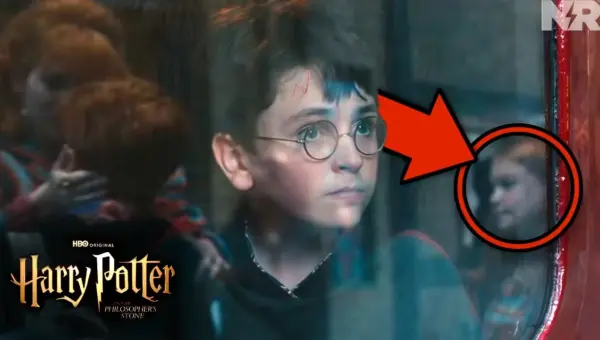
HBO’s ‘Harry Potter’ Trailer Reveals Book-Accurate Magic!
HBO's new Harry Potter series trailer drops, showcasing book-accurate details and a faithful adaptation of 'The Philosopher's Stone.' The series aims to capture the magic and nuances missed by the films, featuring a new cast and a commitment to the early 90s setting.

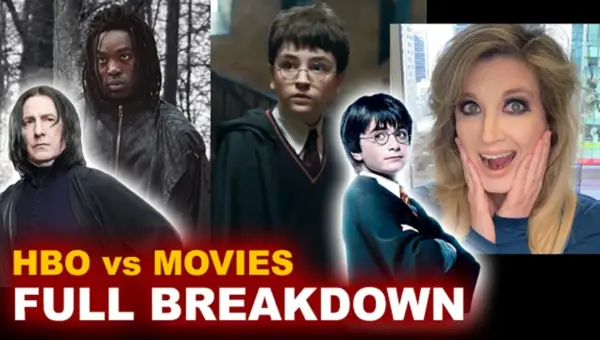
Harry Potter TV Series Trailer Drops, Fans Rejoice!
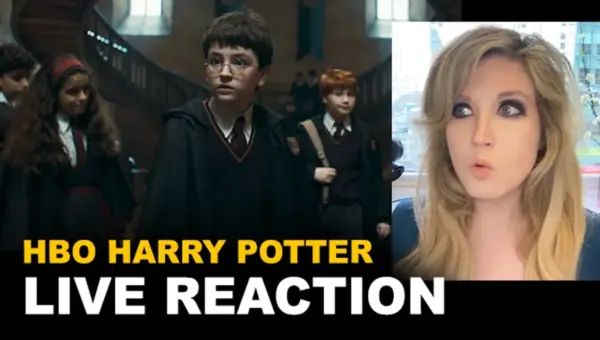
The first trailer for HBO's Harry Potter TV series has arrived, promising a more grounded and emotional take on the beloved wizarding world. Set for a Christmas 2026 release, the series features new casting and a deeper dive into Harry's story, sparking widespread fan excitement.
Harry Potter Series Casts Spell for Christmas 2026 Release!
HBO's Harry Potter series is officially coming this Christmas 2026 with a surprise trailer release. The series aims to explore the deeper meaning behind Harry's journey, promising a fresh yet nostalgic take on the beloved wizarding world. Early reactions praise the focus on character and emotional depth.