US Mulls Mideast Troop Surge Amid Ukraine Aid Debate
The U.S. is considering sending thousands of troops to the Middle East amid ongoing debates about funding for Ukraine. European allies express hesitation to join Iran operations, while Finland proposes a trade involving Hormuz security for increased Ukraine aid. China is reportedly preparing for potential conflict with the U.S.

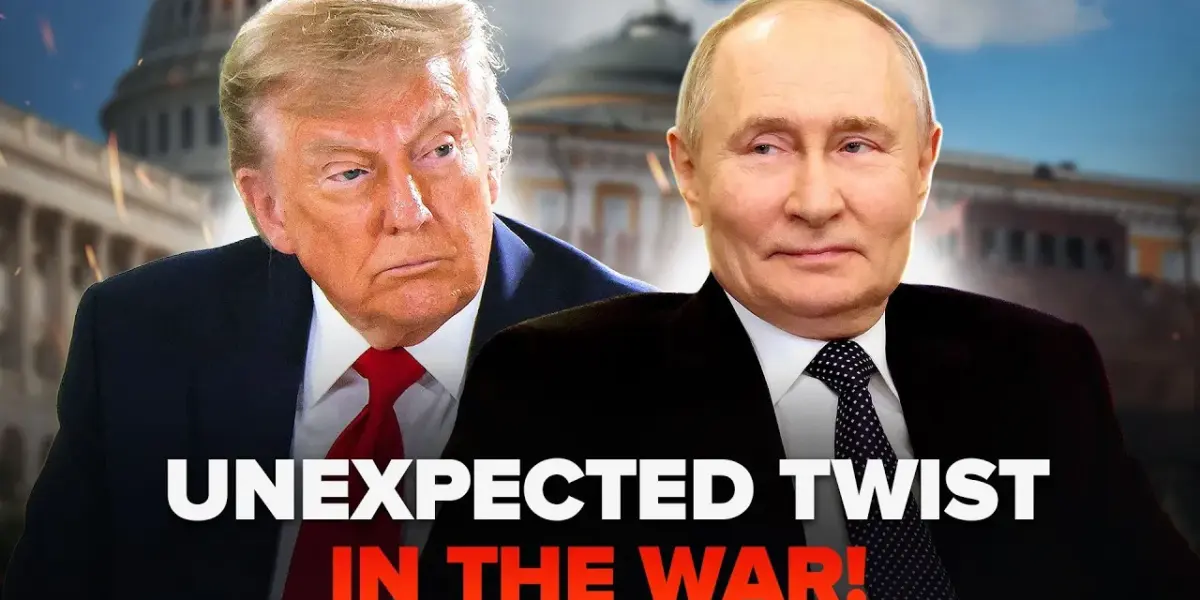
US Considers Large Troop Deployment to Middle East
The United States is reportedly planning to send thousands of troops to the Middle East. This move is intended to strengthen its position regarding Iran. The Pentagon has also asked the White House to seek over $200 billion from Congress. This funding would support operations in the region.
Questions Surround Iran Operation’s Goals
Details about the potential conflict in Iran raise significant questions. Intelligence officials have stated they did not see an immediate threat from Iran to the United States. This contradicts the primary reason given for military action. Briefings also suggested that attacking Iran would not lead to the overthrow of its government. The regime has been in power for nearly 50 years and has deep roots.
President Trump Faces Economic and Political Challenges
President Trump is dealing with multiple challenges related to the situation. He initially suggested the conflict would be short. However, a prolonged engagement could create economic difficulties. Gas and diesel prices in the U.S. have already risen sharply. Some reports suggest this energy crisis was partly created to grant the President emergency powers.
A scenario where the U.S. withdraws without defeating the Iranian regime could be perceived as a win for Iran. This might embolden younger, more radical elements within the Iranian leadership. Continuing the conflict requires substantial funding, with the Pentagon requesting $200 billion. This figure faces skepticism in Congress.
European Allies Hesitant to Support Iran Operations
President Trump faces criticism from within his own political base over the potential spending. Figures like Tucker Carlson have voiced opposition, arguing against funding foreign conflicts. Relations with European leaders have also reportedly suffered. Many European nations have not agreed to join the operations in Iran. They reportedly question the reasoning behind the U.S. approach.
Finnish Proposal Links Strait of Hormuz Security to Ukraine Aid
Finnish President Alexander Stubb has proposed a potential trade. Europe could enhance security in the Strait of Hormuz. This offer is contingent on the United States increasing its support for Ukraine. This idea is described as a classic ‘you scratch my back, I’ll scratch yours’ approach.
The proposal highlights a disconnect between U.S. actions and its allies’ expectations. President Trump has previously questioned the value of alliances like NATO. He also has expressed frustration that European nations are not more readily assisting the U.S. in the current situation.
Ukraine’s Concerns Over Transatlantic Ties
For Ukraine, a weakening of transatlantic ties is a major concern. Such divisions can be exploited by Russia. Ukraine has previously offered assistance to the U.S., including help with anti-drone capabilities. However, these offers may have been ignored or declined.
President Trump has been accused of manipulating narratives. He has suggested that European nations did not help the U.S. when it aided Ukraine. This overlooks historical events like NATO invoking Article 5 after the September 11th attacks.
Intelligence Community Statements on Iran Threat
Statements from the U.S. intelligence community have cast doubt on the necessity of military action against Iran. Reports suggest that Iran has not been responsible for terrorist acts on American soil. Some analysts argue that Iran has primarily targeted Americans on bases in other countries.
Russia’s Role and U.S. Policy Towards Moscow
There are concerns about Russia’s actions, including intelligence sharing with Iran. President Trump has downplayed the significance of this cooperation. Russia has also been accused of providing military equipment and satellite intelligence to Iran.
The U.S. policy towards Russia is complex. Some analysts suggest that Russia is used as a tool to engage European leaders. This dynamic allows the U.S. to provide aid while maintaining a central role in European security. However, European nations increasingly feel less secure under the current U.S. security umbrella.
U.S. Strategy: Isolating Russia from China?
A strategy reportedly being considered involves improving relations with Russia. The goal would be to weaken China’s global influence. This approach aims to draw Russia closer to the United States and away from Beijing. This aligns with a broader strategy that identifies China as the primary long-term threat.
This strategy echoes historical diplomatic maneuvers, such as President Nixon’s opening to China to divide China and the Soviet Union. However, current geopolitical conditions present challenges. The effectiveness of isolating Russia from China depends on strong alliances, particularly with European leaders. Currently, U.S. relations with Europe are strained.
China’s Preparations for Potential Conflict
Reports indicate that China is preparing for a potential conflict with the United States in the coming years. This includes studying American military tactics. China views the U.S. focus on the Middle East and increased military spending as factors that could weaken Washington’s position in Asia. This has led to concerns about potential conflict over Taiwan.
The success of U.S. military operations in Iran could influence this dynamic. A strong performance might signal U.S. military might. Conversely, a failure could create vulnerabilities. China is known for its strategic patience and analysis of global events.
Authoritarian Regimes and Decision-Making
The article touches on the perceived advantages of authoritarian regimes in decision-making. They can make swift decisions compared to democracies, which involve public opinion and parliamentary procedures. This difference could be significant in times of potential conflict.
Hungarian Elections and Ukraine Relations
The upcoming Hungarian elections are seen as significant for Ukraine. A change in leadership could lead to improved relations between Hungary and Ukraine. However, the political landscape in Hungary is complex. Prime Minister Viktor Orbán has developed a strong political system.
There is concern that even if the opposition wins, the transition may not be smooth. Mr. Orbán has the capacity to challenge election results and incite public unrest. Russian political technologists are reportedly involved in supporting these efforts.
If the opposition wins with a clear majority, it could lead to a more pro-European government. This government might seek to address issues like the rule of law and corruption that have strained relations with the EU. However, Orbán’s propaganda has created a negative public perception of Ukrainians in Hungary.
EU Financial Aid Mechanisms for Ukraine
The European Union is working to ensure financial aid reaches Ukraine. There are plans to deliver a €90 billion credit package, even if some member states attempt to block it. This involves exploring alternative mechanisms, such as bilateral agreements between countries or using frozen Russian assets.
A key concern is maintaining the EU’s decision-making process. Allowing member states to reverse agreed-upon decisions could undermine the bloc’s governance. The EU aims to demonstrate a united front in supporting Ukraine.
Source: 😱Trump issued an emergency war order! This is what Putin feared. Here’s what now awaits Kremlin (YouTube)

Related Articles
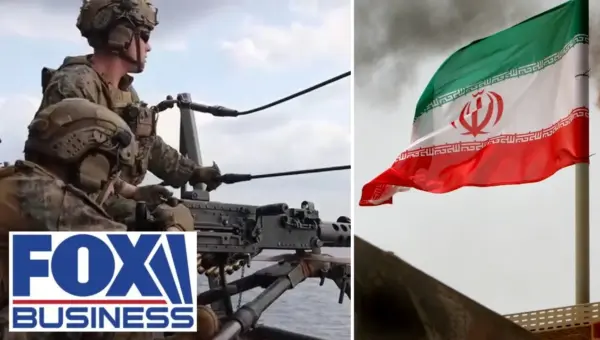
Pentagon Weighs 10,000 Troops for Iran Showdown
The Pentagon is reportedly weighing a significant troop increase of 10,000 soldiers to the Middle East, potentially escalating tensions with Iran. This move comes amid reports of U.S. precision strikes and interceptions of Iranian missiles by allies, raising concerns about regional stability and global oil supplies.

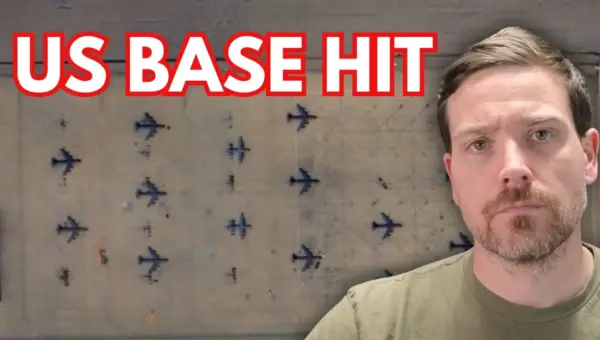
Iran Strikes US Base: Are We Learning from Mistakes?
A recent Iranian drone and missile attack wounded American service members and damaged aircraft in Saudi Arabia. This incident highlights concerns about military preparedness and the failure to learn from past mistakes, as exposed aircraft remain vulnerable targets. The ongoing conflict involves complex regional dynamics, including Iran's missile capabilities and the potential involvement of groups like the Houthis, raising questions about future stability.


Iran’s Capabilities Destroyed, Stocks to Soar: Analyst
Geopolitical analysis suggests Iran's military capabilities are nearing destruction, paving the way for U.S. control of the Strait of Hormuz. This resolution is expected to lower oil prices and significantly boost the stock market, according to market watchers.