Iran Warns of Retaliation as US Tensions Flare
Iran has issued a strong warning against U.S. actions, threatening retaliation and highlighting potential escalation in the Red Sea. Meanwhile, White House communications paint a picture of Iranian defeat, a narrative sharply contrasted by Iran's defiant stance and specific demands for negotiation. The situation remains volatile, with significant implications for global energy markets and regional stability.

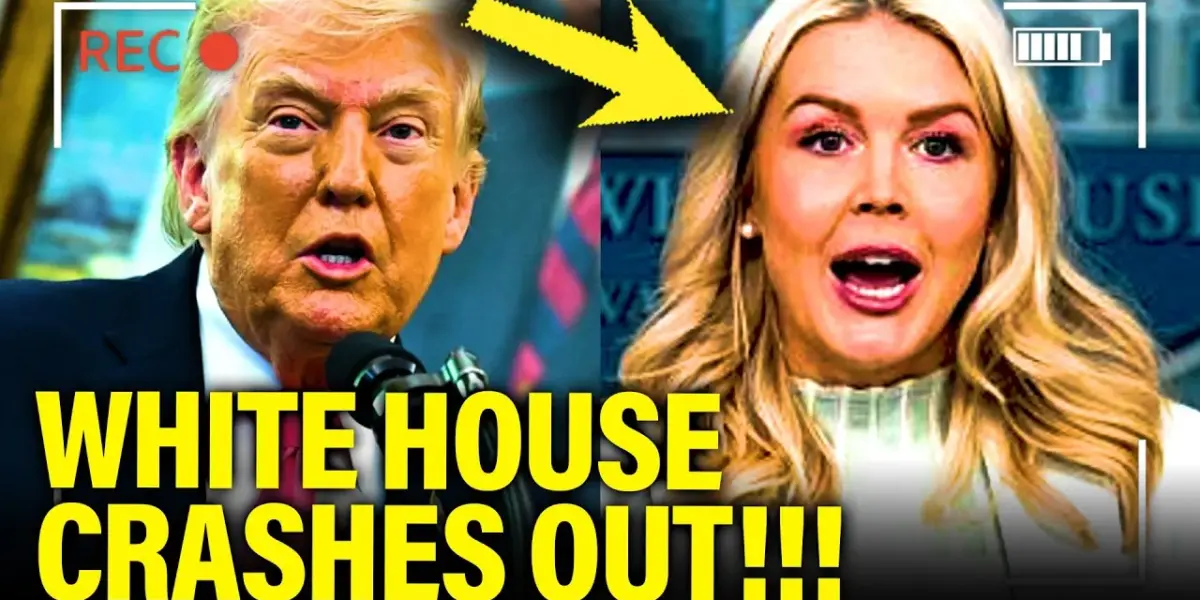
Iran Issues Stark Warning Amidst Escalating US Tensions
The situation between Iran and the United States has reached a critical point, with Iran’s parliament speaker, MB Galab, issuing a strong warning about potential occupation of Iranian islands. He claims that enemies, backed by a regional nation, are preparing to seize territory. Galab specifically pointed to Saudi Arabia and Carg Island as likely targets. He also stated that Iran’s armed forces are closely watching all enemy movements. If these actions cross a line, Iran has threatened to target the “vital infrastructure” of the supporting regional country without limits. This statement comes as U.S. military movements in the region increase, with naval forces heading towards Iran and elite paratroopers deploying to the Middle East.
Iranian officials have also made bold statements, suggesting they have been preparing for this moment for two decades and are ready for U.S. soldiers to enter. This rhetoric indicates that a peaceful resolution may be distant. Reports suggest that Mojtaba Khamenei, injured in a previous strike, remains involved in Iran’s decision-making processes. This implies a continued hardline stance from the Iranian regime.
Focus Shifts to the Red Sea and Potential Houthi Involvement
Analysts are increasingly focusing on the Red Sea and the Bab el-Mandeb strait as a potential flashpoint. While the Strait of Hormuz is a well-known chokepoint, the Red Sea route is also crucial for oil transport. Iran has been warned about the possibility of activating Houthi rebels in Yemen to shut down this strait. If both the Bab el-Mandeb and the Strait of Hormuz were closed, oil prices could skyrocket to $200 a barrel. Iranian officials have hinted at opening new fronts, with potential Houthi involvement in the conflict being a major concern.
The Houthis are currently the main force within Iran’s “resistance front” that has not yet engaged in the escalating conflict. Iran’s preconditions for any negotiation with the U.S. administration are extensive. They include demands for Iran to collect fees from ships in the Strait of Hormuz, similar to Egypt’s Suez Canal. They also seek guarantees that the war would not restart, an end to Israeli strikes on Hezbollah, the lifting of all sanctions, permission to keep their missile program without limits, and full reparations for war damages.
White House Communications Contrast with Reality
In contrast to the escalating tensions and Iran’s demands, the White House’s public statements present a different picture. White House Press Secretary Karoline Levit has described the Iranian regime as “decimated” and “begging for a deal.” She claims that Iran’s ability to attack U.S. forces and defend its own territory is diminishing rapidly. Levit has also asserted that President Trump possesses a unique skill in uniting allies, despite reports suggesting no allies have joined the military action.
During a press conference, Levit stated that the U.S. administration believes allies will support any agreement made with Iran. She highlighted President Trump’s leadership in foreign policy, citing his role in past conflicts and ceasefires. When asked about regime change, Levit suggested that a change in leadership within Iran had occurred, which she equated to the President’s claim of achieving regime change. However, this assertion is questionable given the continued presence of the existing Islamic Republic regime.
Discrepancies in Official Statements and Reporting
Further discrepancies have emerged regarding the details of negotiations and military operations. Levit denied the existence of a 15-point plan proposed by the U.S. to end the war, despite earlier reports from Iranian state TV and statements attributed to President Trump himself. She described such plans as speculative and not entirely factual, while also stating that talks are ongoing and productive. This creates confusion about the actual status of diplomatic efforts.
Levit also addressed concerns about potential ground invasions, calling such questions hypothetical. She emphasized that any decision would be made by the commander-in-chief and that the administration would abide by the law regarding congressional authorization for war. However, she also referred to the current operations as a “special military operation,” language similar to that used by Russia during its invasion of Ukraine, rather than a formal war requiring congressional approval.
Criticism and Doubts Regarding Administration’s Stance
The administration’s narrative has faced criticism from various sources, including former intelligence officials. Joe Kent, a former counter-intelligence official who resigned over disagreements with the war in Iran, has been publicly attacked by Levit. She dismissed his criticism as having “zero credibility” and called his accusations “ridiculous.” This personal attack on a former ally highlights the administration’s defensive posture.
Questions also remain about who exactly the U.S. is negotiating with in Iran. Levit declined to provide specific details, citing the sensitive nature of diplomatic discussions. She compared the situation to past negotiations, where details were not publicly disclosed to allow diplomats the necessary freedom. The administration’s insistence on secrecy, combined with conflicting public statements, raises concerns about transparency and the actual progress of diplomatic efforts.
Why This Matters
The escalating tensions between the U.S. and Iran, coupled with Iran’s defiant stance and threats of broader conflict, pose a significant risk to global stability. The potential disruption of vital oil shipping routes in the Red Sea and the Strait of Hormuz could have severe economic consequences worldwide. The conflicting messages from the White House, particularly the portrayal of Iran as defeated and seeking a deal, stand in stark contrast to Iran’s public pronouncements and actions.
This disconnect raises questions about the effectiveness of the administration’s strategy and its understanding of the complex geopolitical dynamics at play. The reliance on strong rhetoric and personal attacks against critics, rather than transparent communication and verifiable diplomatic progress, could further alienate allies and embolden adversaries. The situation demands a clear-eyed assessment of the risks and a more grounded approach to de-escalation.
Implications, Trends, and Future Outlook
The current trajectory suggests a continued period of heightened tension and potential conflict. Iran’s strategy appears to be one of deterrence through threat of escalation, aiming to leverage regional proxies and control of key waterways. The U.S. administration’s approach, characterized by forceful rhetoric and a focus on projecting strength, may be misinterpreting Iran’s resolve or its capacity for asymmetric warfare.
A key trend to watch is the potential involvement of other regional actors and proxies, which could widen the conflict. The economic impact of any disruption to oil supplies will be a major concern for global markets and governments. The future outlook depends heavily on whether diplomatic channels can be reopened effectively or if the situation devolves into further military confrontation. The administration’s claims of nearing victory and Iran’s readiness to negotiate seem increasingly at odds with the unfolding events on the ground.
Historical Context and Background
The relationship between the U.S. and Iran has been fraught with tension since the 1979 Islamic Revolution. Decades of mistrust, sanctions, and proxy conflicts have shaped the current adversarial dynamic. The Strait of Hormuz, a vital oil transit route, has historically been a point of contention, with Iran frequently threatening to disrupt shipping. The U.S. has maintained a naval presence in the region to ensure freedom of navigation.
Previous administrations have pursued various strategies, from sanctions and diplomatic isolation to attempts at negotiation. The current administration’s approach appears to be a more aggressive posture, emphasizing military readiness and public pressure. However, this strategy has not yet yielded the desired de-escalation, and Iran’s actions suggest it is prepared to withstand significant pressure, possibly banking on regional support and the economic consequences of widespread conflict.
Source: Trump WH CRASHES OUT as Iran DECLARES NEXT STEPS!!!! (YouTube)

Related Articles


Iran Targets US With Cyberattacks, Escalating Digital Warfare
Iran is increasingly using cyberattacks to challenge the U.S., as seen in a recent hack of the FBI director's account. Experts say this is a strategic shift due to Iran's limitations in conventional warfare. The U.S. needs to strengthen its digital defenses, focusing on encryption and cloud computing, rather than solely relying on traditional security measures.

Iran Hacks FBI Chief, Exposing U.S. Cyber Vulnerabilities
A recent hack of FBI Director Kash Patel's personal email by an Iran-linked group highlights Iran's growing cyber threat to the U.S. Experts explain how simple security oversights are exploited, emphasizing the need for basic defenses like two-factor authentication to protect against propaganda and potential infrastructure attacks.
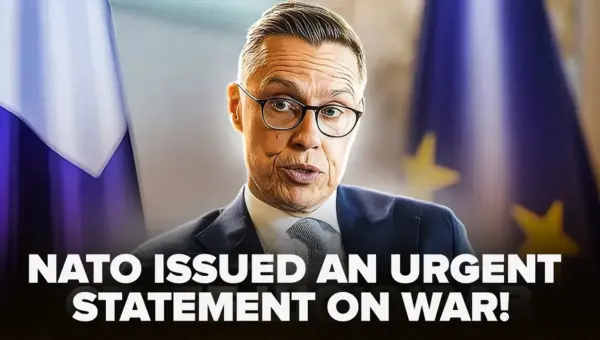
Ukraine Strikes Russian Oil Refinery, Eyes Iran Threat
Ukrainian forces struck a key Russian oil refinery, disrupting Moscow's war capabilities. Meanwhile, Finland's president urged continued U.S. support for Ukraine, as Kyiv shares its air defense expertise globally amid growing geopolitical complexities involving Iran and potential sanctions against Hungary.