Jury Finds Meta, YouTube Negligent in Landmark Social Media Trial
A jury has found Meta and Google negligent in a landmark social media trial, determining their platforms' designs contributed to harm in a case involving a minor. The verdict awarded approximately $3 million in damages, assigning 70% responsibility to Meta and 30% to Google. This ruling could reshape legal accountability for tech giants and reignite debates over Section 230 protections.

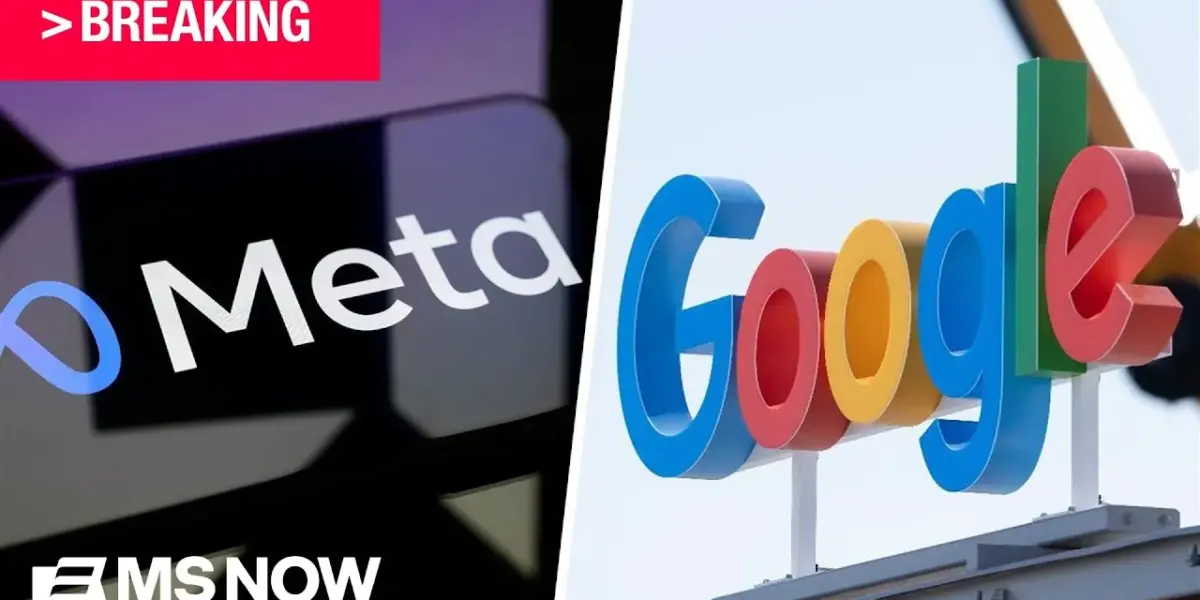
Jury Holds Meta, YouTube Accountable in Landmark Social Media Case
In a significant ruling, a jury in Los Angeles has found both Meta, the parent company of Instagram, and Google, the owner of YouTube, negligent in a landmark social media trial. The case centered on accusations that the companies designed features intentionally addictive for young users, causing harm. This verdict marks a crucial moment, potentially reshaping accountability for social media giants.
Key Findings: Negligence and Harm Confirmed
The jury answered a series of critical questions with a resounding ‘yes.’ They determined that Meta was negligent in its design and operation of Instagram. More importantly, this negligence was found to be a substantial factor in causing harm to the plaintiff, identified as KGM. This finding is vital because it clears the path for awarding damages.
The jury also considered whether Meta knew or should have known that Instagram’s design was dangerous for minors. The answer was yes. They further agreed that users would not realize the danger and that Meta failed to provide adequate warnings. A reasonable platform designer, the jury concluded, would have issued such warnings.
Similar questions were posed regarding YouTube. The jury also found YouTube negligent and that this negligence substantially contributed to the plaintiff’s harm. These verdicts mean that both tech giants will now face the damages phase of the trial, where the financial compensation for the harm caused will be decided.
A “Bellwether Trial” with Broad Implications
This case is known as a “bellwether trial.” This means it is the first of many similar lawsuits expected to be heard. These initial trials often set a precedent and give a strong indication of how future cases might be decided. Observers believe that the outcome of this trial could lead to more companies choosing to settle rather than face lengthy court battles.
Damages Awarded and Responsibility Assigned
The jury has assessed damages totaling approximately $3 million for the plaintiff. While the final distribution between Meta and Google is still being finalized, the initial assessment places 70% of the responsibility on Meta and 30% on YouTube. This award addresses the harm caused to the plaintiff’s mental health due to their use of these platforms as minors.
This $3 million figure, while significant for an individual, is being viewed in the context of other recent legal actions. For instance, New Mexico’s Attorney General recently won a $400 million trial against Meta concerning child sexual exploitation. However, this case focused on a single plaintiff’s individual harm, highlighting a different legal avenue for accountability.
Challenging Section 230 Immunity
A key aspect of these ongoing lawsuits is the strategy to bypass Section 230 of the Communications Decency Act. This law has largely protected social media companies from liability for content posted by users. The legal teams in these cases have developed new theories focused on consumer protection and tort violations, arguing that the platforms themselves were not designed responsibly and breached a duty of care.
The success in this trial suggests that this approach may be effective in holding platforms accountable, even without directly challenging Section 230. Legal experts note that this verdict could also prompt renewed discussions in Congress about reforming or sunsetting Section 230, which has long shielded tech companies from responsibility for user-generated content.
Malice, Oppression, and Fraud Found
Adding another layer to the verdict, the jury also found that both YouTube and Meta acted with malice, oppression, or fraud in their conduct. This finding is particularly significant for future cases and legal strategies. It represents a strong repudiation of the companies’ actions and could influence settlement talks and legislative debates.
The implications of this finding are substantial. Lawyers representing these tech giants are likely recalculating their legal strategies. The possibility of congressional action on Section 230 also looms larger, especially given recent bipartisan efforts to revise the law.
CEO Testimony and Future Outlook
The trial also saw testimony from Meta CEO Mark Zuckerberg. His appearance on the stand has been described as potentially damaging, with some observers viewing his demeanor as arrogant. This underscores the risks associated with CEOs testifying in such high-stakes trials, as their personal conduct can influence jury perceptions.
As this bellwether case concludes its liability and damages phases, attention now turns to the broader legal and legislative landscape. The verdict sends a clear message that social media companies may no longer be immune from accountability for the harms their platforms can inflict, particularly on young users. The coming months will likely see further legal challenges and increased scrutiny of Section 230.
Source: BREAKING: Jury finds Meta, YouTube negligent in social media trial (YouTube)

Related Articles

Social Media Giants Face Lawsuits Over Addictive Designs
Tech giants Meta and Google are facing significant legal challenges as juries find them liable for the addictive design of their platforms and the harm caused to young users. Recent verdicts in California and New Mexico have ordered the companies to pay millions in damages, highlighting concerns over mental health impacts and child exploitation.

New Food Channel Seeks 1,000 Subs, 4,000 Watch Hours
Content creators Joe and Naz have launched a new YouTube channel focused on food exploration. "Joe and Naz" aims to reach 1,000 subscribers and 4,000 watch hours to grow its audience. The duo plans to feature restaurant reviews, travel, and audience-suggested content.
Meta, YouTube Lose Landmark Cases Over Teen Harm
Meta and YouTube have been found liable in landmark cases alleging their platforms contribute to harm among teenage users. Juries saw through company denials after prosecutors presented damning internal documents showing awareness of negative impacts. This ruling could lead to significant changes in how social media companies are held accountable.