The Double-Edged Sword of Automotive Tech
As automotive technology rapidly advances, this article explores the double-edged sword of innovation. While promising efficiency and new features, the increasing reliance on AI and complex software risks diminishing the human element and driving enjoyment. We examine the value proposition of both cutting-edge and classic vehicles, calling for a balanced approach to automotive tech.

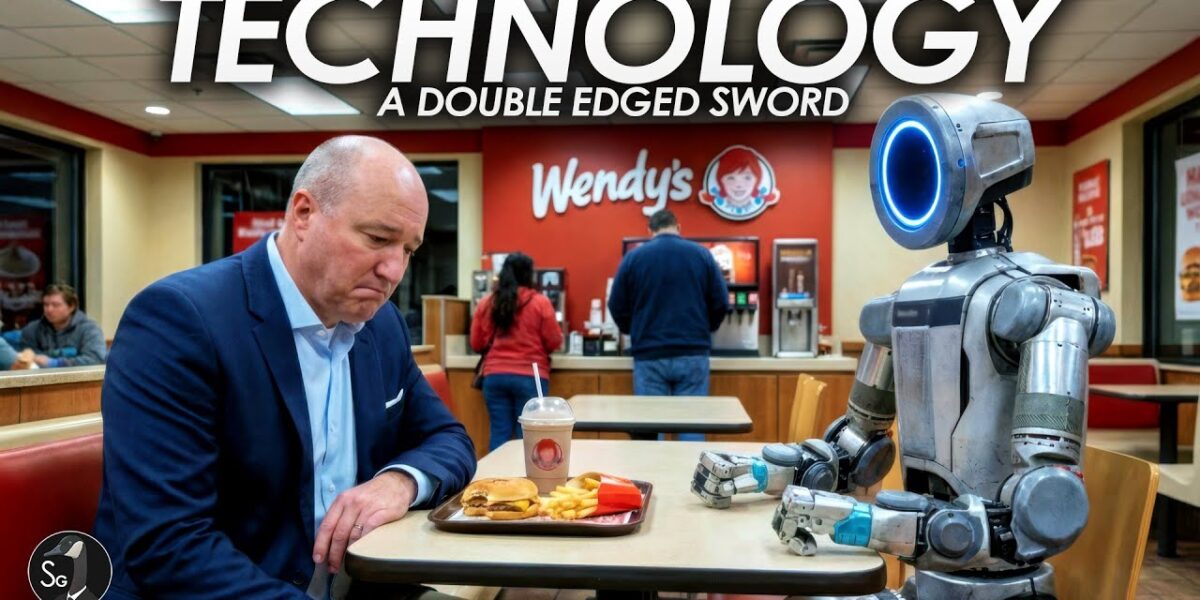
The Double-Edged Sword of Automotive Tech
As we navigate the rapidly evolving landscape of automotive technology in 2026, a critical question emerges: Is innovation truly enhancing our lives, or are we becoming casualties of technology for technology’s sake? This year, we’ll dig into the advancements from brands like Toyota and explore how technology is being integrated into our vehicles, with a particular focus on the potential pitfalls that can lead to a less human and more isolating experience. While many advancements promise efficiency and convenience, we must critically examine where the line is crossed into features that detract from the core enjoyment and human connection of driving.
The Human Element Lost in Translation
The automotive industry, like many others, is increasingly embracing artificial intelligence and advanced software. While the intention is often to streamline processes, improve safety, and offer unparalleled connectivity, the execution can sometimes fall short, leading to frustration and a sense of detachment.
We’ve seen this trend manifest in everyday interactions, from fast-food ordering systems that replace human cashiers with AI kiosks, to healthcare systems that rely on automated scheduling, creating significant wait times and impersonal experiences. This shift, while aiming for efficiency, risks eroding the human touch that is so vital in our daily lives and, arguably, in the automotive experience itself.
Performance and User Experience: A Balancing Act
The allure of cutting-edge technology in cars is undeniable. Features like advanced driver-assistance systems (ADAS), sophisticated infotainment, and seamless connectivity promise a futuristic driving experience. However, the implementation often proves to be a complex challenge.
Brands are grappling with integrating these systems without compromising the fundamental driving pleasure or creating user interfaces that are intuitive and reliable. The frustration of dealing with laggy, unstable software, or features that are more cumbersome than helpful, can quickly overshadow the benefits. A prime example is the shift from physical buttons to touchscreen interfaces for essential functions.
While aesthetically sleek, these systems can be distracting and less responsive, especially when compared to the tactile feedback of traditional controls. This raises the question: is the pursuit of a technologically advanced cabin at the expense of a user-friendly and engaging driving experience a worthwhile trade-off?
The Value Proposition: New vs. Used
The cost of new vehicles equipped with the latest technology continues to climb, placing premium features out of reach for many consumers. A brand-new car loaded with advanced tech can easily exceed $50,000, leading to substantial monthly payments. This financial pressure prompts a re-evaluation of what constitutes good value.
The speaker highlights a growing appreciation for older, less technologically saturated vehicles. Cars like the Mazda Miata, Ford Focus ST, and Subaru BRZ, available on the used market for a fraction of the price of new models, offer pure driving engagement without the complexity and potential unreliability of modern integrated systems. These vehicles provide a more direct connection to the road, a simpler maintenance routine, and a significantly lower cost of entry.
For enthusiasts seeking the joy of driving without the burden of high-tech systems or steep financial commitments, the used car market presents a compelling alternative. This approach allows for a dual ownership strategy: enjoying the refined technology of a new car for specific purposes, while cherishing the unadulterated driving pleasure of a well-maintained older vehicle.
Who is the Target Buyer?
The ideal buyer for a technologically advanced vehicle is someone who values cutting-edge features, seamless integration, and the latest safety innovations. They are likely early adopters, comfortable with digital interfaces, and willing to pay a premium for the convenience and perceived benefits of advanced technology. However, the article suggests a growing segment of the market is seeking a different kind of value.
This includes individuals who prioritize driving purity, simplicity, and affordability. They may be disillusioned with the complexity and potential unreliability of modern car tech, or simply seeking a more engaging and less stressful ownership experience. This group is increasingly looking towards the pre-owned market for vehicles that offer a more analog and rewarding driving connection.
Verdict: A Call for Balance
Technology in the automotive sector is a powerful tool, capable of enhancing safety, efficiency, and comfort. However, its implementation must be approached with careful consideration for the human element. The drive towards automation and digital integration risks alienating drivers and diminishing the inherent joy of driving.
Brands that succeed will be those that strike a delicate balance, integrating technology thoughtfully to augment, rather than replace, the core driving experience. For consumers, this means critically evaluating the technology offered in new vehicles and recognizing the enduring value and pure enjoyment that can be found in well-chosen, less technologically burdened pre-owned cars. The future of automotive engagement lies not just in the sophistication of the tech, but in its ability to enhance our connection to the road and each other, rather than isolate us.
Source: Technology is a Double Edged Sword (YouTube)

Related Articles

Honda Element: The Quirky SUV That Refuses to Fade
The Honda Element, known for its quirky design and versatile interior, remains a beloved vehicle years after production ended. Its unique features, like the rear-hinged doors and transformable cargo space, make it a practical choice for adventurers and those needing flexible utility.

Hyundai Palisade’s Driver Assist Struggles on Tough Test
The 2026 Hyundai Palisade XRT Pro's Highway Driving Assist (HDA) system was put to the test and scored a low 30 points. While capable on straighter roads, it struggled with right-hand curves, requiring driver intervention. This highlights the system's limitations as an assist feature rather than a fully autonomous solution.


10 Great Cars Under $30K: Your Budget-Friendly Dream Machines
Finding a great car under $30,000 is still possible, even as prices rise. This list offers 10 compelling options, from thrilling sports cars like the Mustang GT and Mazda Miata to reliable family SUVs like the RAV4 and CX-5. Get the most bang for your buck with these budget-friendly choices.