US Crushes Iran’s Navy, Nears War Goals
The U.S. military reports significant success in Operation Epic Fury against Iran, claiming to have crippled Iran's military capabilities and destroyed over 140 naval vessels. Following these actions, Iran has reportedly entered into productive talks with the U.S., leading to a temporary halt in planned strikes.

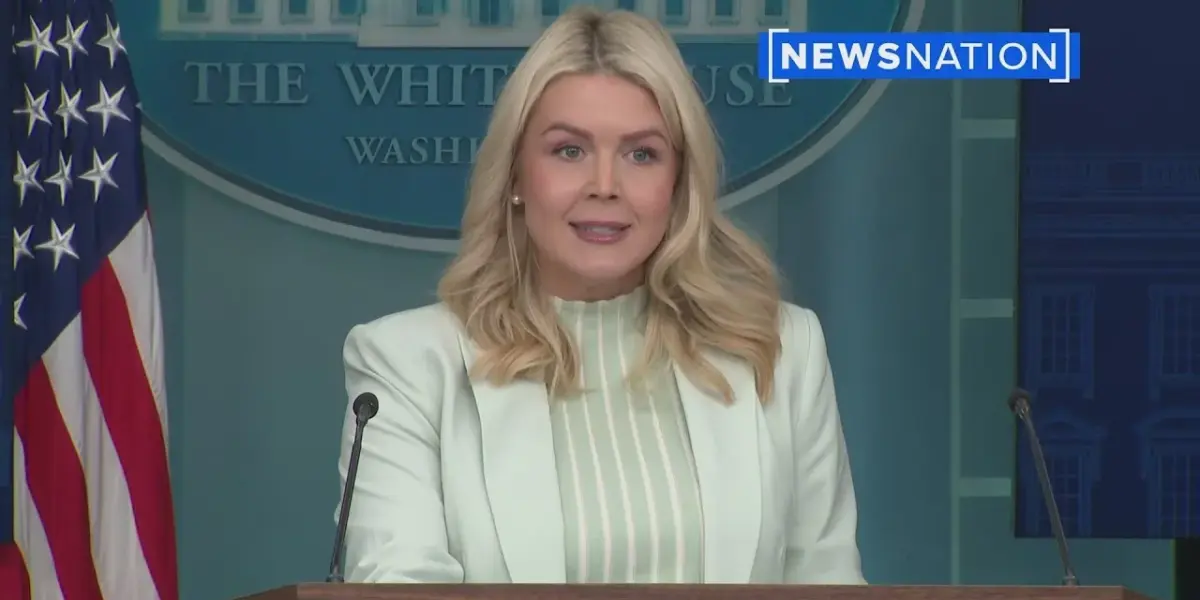
US Military Operation Against Iran Achieves Major Successes
The United States military has made significant gains in its operation against Iran, achieving major objectives ahead of schedule. Operation Epic Fury, which began just over three weeks ago, has reportedly crippled Iran’s military capabilities. U.S. forces have struck over 9,000 targets, severely reducing Iran’s ballistic missile and drone attacks by about 90 percent compared to the start of the operation. This military action represents a substantial blow to Iran’s ability to project power and threaten the region.
The operation has also targeted Iran’s naval power. Over 140 Iranian naval vessels, including nearly 50 mine-laying ships, have been destroyed. This is the largest elimination of a navy in such a short period since World War II. The U.S. is systematically dismantling Iran’s defense industry, aiming to prevent future threats. Efforts also focus on ensuring the free flow of energy through the Strait of Hormuz. Recent strikes have hit underground facilities storing anti-ship missiles and mobile launchers along the strait’s coast. These actions are degrading Iran’s capacity to threaten merchant shipping.
Diplomatic Efforts and Future Scenarios
President Trump stated that the U.S. is close to meeting the core goals of Operation Epic Fury. The mission was initially estimated to take four to six weeks, but 25 days in, it is reportedly ahead of schedule. Iran’s ability to threaten the U.S. and its allies, as well as its nuclear ambitions, are said to be significantly weakened. Following President Trump’s strong statements, Iran has indicated a willingness to negotiate.
The United States has engaged in productive talks with Iran over the past three days. Based on these discussions, President Trump has temporarily halted planned strikes on Iranian power plants and energy infrastructure. Iran has been given another chance to cooperate, abandon its nuclear program, and stop threatening the U.S. and its allies. President Trump has emphasized a preference for peace and avoiding further death and destruction.
However, the administration also issued a stark warning. If Iran fails to accept its military defeat and cooperate, President Trump has vowed to strike harder than ever before. The U.S. asserts that Iran has already suffered significant losses, including its senior leadership, navy, air force, and air defense systems. Any further conflict, they argue, would be due to Iran’s refusal to acknowledge its defeat and reach a deal.
Global Impact
The swift and decisive military actions outlined in the U.S. assessment suggest a significant shift in the regional power balance. By degrading Iran’s military capabilities, particularly its naval forces and missile programs, the U.S. aims to reshape security dynamics in the Middle East. The focus on the Strait of Hormuz, a critical chokepoint for global energy supplies, highlights the strategic importance of this operation.
The stated success of Operation Epic Fury could embolden the U.S. and its allies, potentially leading to increased pressure on Iran. Conversely, Iran’s reported willingness to negotiate may signal a strategic retreat under duress, rather than a fundamental policy change. The outcome of these ongoing diplomatic efforts, alongside the continued military posture, will shape the future of regional stability and international energy markets.
Historical Context
The current military operation and diplomatic overtures echo past tensions and confrontations between the U.S. and Iran. The U.S. has a long history of seeking to curb Iran’s nuclear program and its regional influence. Previous operations, such as the mentioned Operation Midnight Hammer in June 2025, aimed at similar goals. The current situation also recalls periods of heightened naval activity and standoffs in the Persian Gulf, where control over vital shipping lanes has often been a point of contention.
The emphasis on eliminating Iran’s naval capacity and missile threats is a direct response to Iran’s actions against commercial shipping in recent years. The U.S. narrative frames these actions as necessary to protect international trade and regional security. The mention of Iran’s nuclear ambitions being crushed suggests a continuation of long-standing U.S. policy to prevent Iran from developing nuclear weapons.
Economic Considerations
The Strait of Hormuz is a vital artery for global oil and gas transport. Any disruption to shipping in this region has immediate and significant effects on world energy prices. By degrading Iran’s ability to threaten this route, the U.S. operation aims to stabilize energy markets and reassure allies. The destruction of naval assets and missile storage facilities is intended to remove the economic leverage Iran might wield through maritime threats.
While the transcript does not detail specific sanctions or trade figures, the military actions described are inherently linked to economic policy. The goal of weakening Iran’s defense industrial base also serves to limit its capacity for actions that could lead to further international sanctions or economic isolation.
Future Outlook
Several future scenarios are possible. One path involves Iran accepting the U.S. terms, leading to a de-escalation of military tensions and potentially new diplomatic agreements. This could involve Iran permanently abandoning its nuclear ambitions and ceasing regional provocations. Another scenario is continued Iranian defiance, leading to further intensified military action by the U.S. as threatened.
A third possibility is a protracted period of tense negotiation, where Iran attempts to regain leverage while the U.S. maintains its military pressure. The success of diplomacy will depend on the willingness of both sides to compromise and the perceived credibility of each other’s threats and offers. The long-term impact on regional stability and the global energy market remains contingent on these developments.
Source: US ‘very close’ to meeting core objectives in Iran: Karoline Leavitt (YouTube)

Related Articles


Stocks Ignore War Risks, Focus on “Taco Moments”
Stock markets appear to be overlooking the severe supply chain risks stemming from the Iran conflict, focusing instead on potential diplomatic de-escalations. While the S&P 500 shows resilience, bond and commodity markets signal deep concern over disruptions to critical resources like LNG, helium, and fertilizers.

US Strikes Cripple Iran’s Military Might, CENTCOM Reports
U.S. Central Command reports ongoing strikes inside Iran are significantly weakening its military power. This direct action aims to reshape regional security dynamics, but carries risks of escalation. The long-term impact depends on Iran's response and ability to adapt.


U.S. Iran Tensions Rise Amid Shifting Alliances
Rising tensions between the U.S. and Iran are creating a volatile geopolitical situation. With conflicting signals on de-escalation and potential shifts in alliances like NATO and U.S.-Israel relations, the path forward remains uncertain. The global economy and regional stability hang in the balance.