Protesters Demand ICE Out of Airports
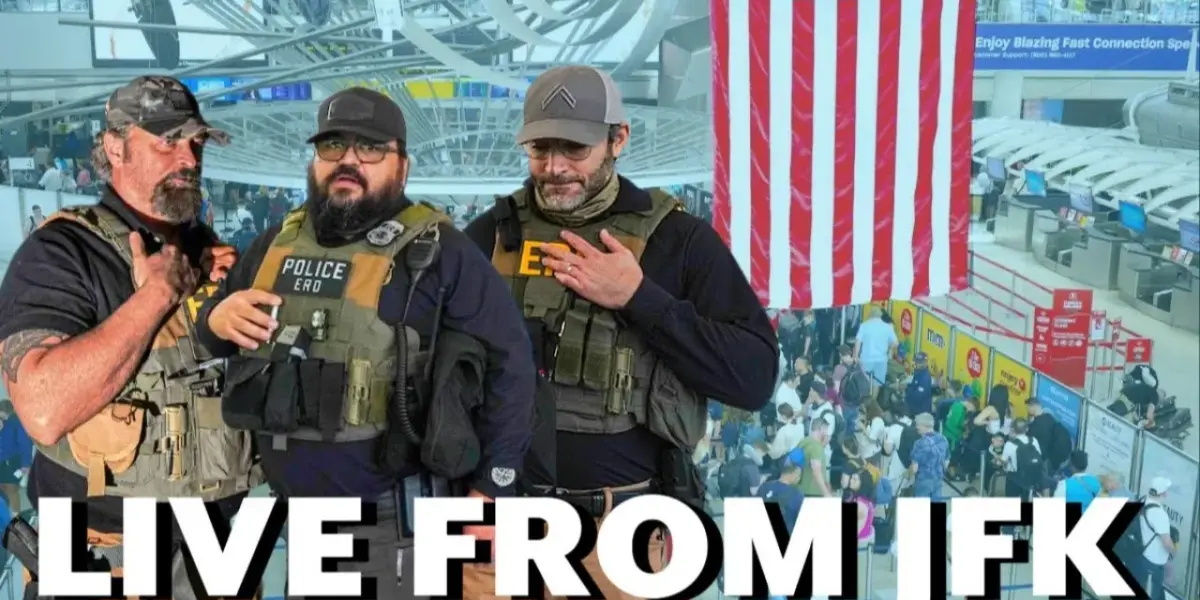
Protesters gathered at JFK Airport in New York City demanding the removal of Immigration and Customs Enforcement (ICE) agents. The demonstration highlights concerns about fear and human rights at travel hubs. This action is part of a larger debate on immigration policy.

Protesters Demand ICE Out of Airports
On a recent day, a protest took place at John F. Kennedy International Airport in New York City. People gathered to voice their strong opposition to the presence of Immigration and Customs Enforcement (ICE) agents at airports. The main message was clear: they want ICE out of airports.
This action was sparked by the deployment of ICE agents, which some people link to policies put in place by the Trump administration. The reporters from Status Coup were there to cover the event live. They aimed to show the protest, talk to the people involved, and report on any developments as they happened.
Why Airports?
Airports are often the first point of entry or last point of exit for people traveling internationally. For many, they represent a transition point, a place of arrival or departure. When ICE agents are present, it can create a feeling of fear and uncertainty for travelers, especially those who are immigrants or fear deportation.
Those protesting believe that airports should be safe spaces, free from the presence of law enforcement agencies whose primary role in this context is enforcement of immigration laws. They argue that ICE’s presence can lead to detentions and deportations happening without proper legal process or notice. This is why they are focusing their efforts on these transportation hubs.
Voices of the Protest
The reporters spoke with various individuals to understand their motivations for joining the protest. Their stories often highlighted personal experiences or deep-seated beliefs about fairness and human rights. Many felt that ICE operations at airports disrupt families and cause undue stress to innocent people.
The core argument from many participants was that immigration enforcement actions should not occur in places where people are simply trying to travel. They believe this creates a climate of fear and can unfairly target individuals based on their immigration status. The goal is to create a more humane system that respects the rights of all individuals, regardless of where they come from or their legal standing.
Historical Context
The debate around immigration enforcement and the role of agencies like ICE has a long history. ICE was established in 2003 as part of the Department of Homeland Security. Its mission includes enforcing immigration and customs laws. However, the agency’s tactics and the scope of its operations have been subjects of significant public and political debate for years.
Past administrations have taken different approaches to immigration enforcement. Some have increased the focus on deportations, leading to a greater presence of immigration agents in various public spaces, including airports. Others have sought more lenient policies. The presence of ICE at airports has been a flashpoint in these ongoing discussions about border security and immigration policy.
Broader Implications and Future Outlook
Protests like the one at JFK airport are part of a larger national conversation about immigration. They highlight the human impact of government policies and put pressure on lawmakers to consider different approaches. The demand to remove ICE from airports is a specific call to action, but it represents a broader desire for immigration reform.
The future of ICE’s role at airports will likely depend on ongoing political developments and public opinion. As long as there are differing views on immigration enforcement, such protests will continue to be a way for citizens to express their concerns. Independent news outlets like Status Coup play a crucial role in bringing these events to a wider audience, especially when they feel mainstream media might overlook them.
Why This Matters
These protests matter because they bring attention to the human side of immigration policy. They show that decisions made in Washington D.C. have real-world effects on people’s lives. Airports are symbolic places, and when immigration enforcement happens there, it sends a message about who is welcome and who is seen as a threat.
By gathering at airports, protesters are directly challenging the idea that immigration enforcement should be carried out without public scrutiny. They are demanding transparency and accountability. These actions help shape public debate and can influence policy changes over time, reminding everyone that immigration is a complex issue with profound human consequences.
Source: LIVE EMERGENCY ICE OUT OF AIRPORTS Protest | LIVE From JFK Airport in NYC (YouTube)

Related Articles

Americans Rise Up: History Shows Protests Drive Change
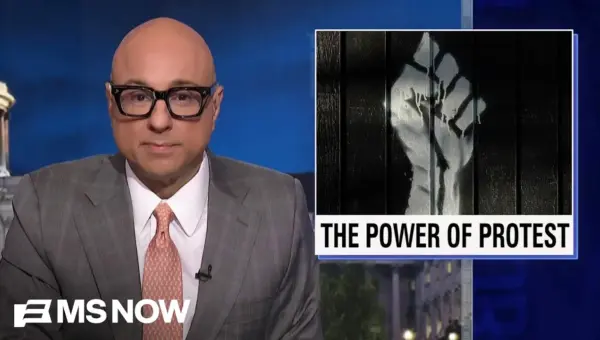
History shows that significant societal change in America often begins with citizens demanding action, not government initiative. From factory safety laws after the Triangle Shirtwaist fire to civil rights legislation spurred by the March on Washington and environmental protections born from Earth Day, public outcry has been a powerful catalyst. As new protests emerge amid current political and economic challenges, the nation watches to see if this historical pattern of people power will once again drive meaningful change.
House Rejects Senate Bill, Citing Border Security Funding Gaps
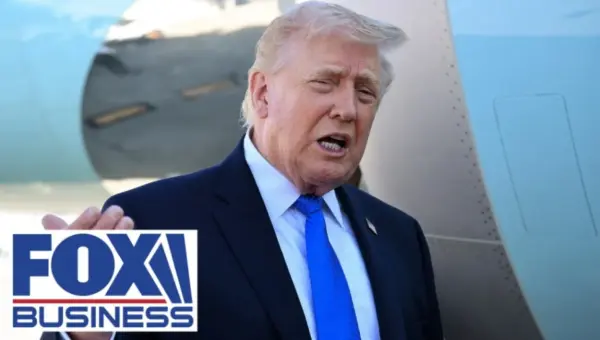
House Republicans are rejecting a Senate funding bill, arguing it lacks essential appropriations for ICE and CBP, threatening anti-trafficking efforts and border security. They plan to pass a short-term measure to force renewed negotiations.


Immigration Debate Ignites Over Murder Suspect’s Status
A Venezuelan national accused of murder has become a focal point in the U.S. immigration debate. Prosecutors presented evidence of his alleged involvement in a student's death, while the defense highlighted his difficult background. The case raises questions about public safety and migrant support.