Oil & Stocks: Was It Insider Trading or Just Noise?
Massive bets on oil markets followed by price drops sparked insider trading fears. Economist Justin Wolfers argues the story is overblown, lacking statistical proof. He suggests distinguishing between unusual activity and actual illegal trading is crucial for market trust.

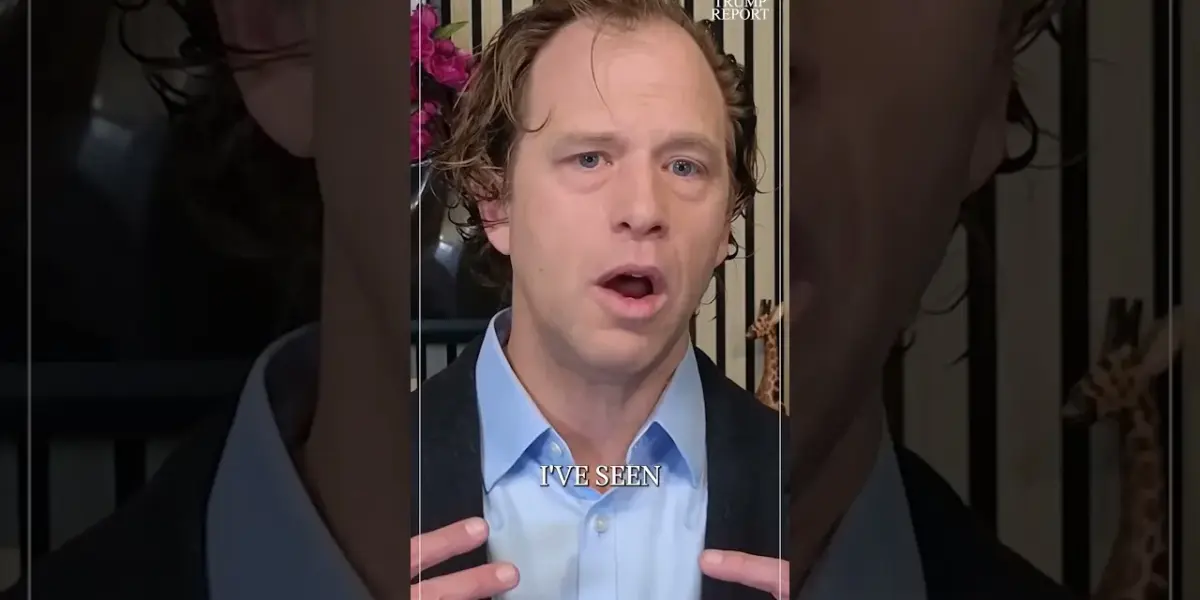
Oil & Stocks: Was It Insider Trading or Just Noise?
This week, a massive $580 million was bet on oil markets by traders. Shortly after, oil prices dropped by 14%. This wasn’t the only strange movement. We also saw a similar spike in the S&P 500 at the exact same time. It makes you wonder: did we just witness a serious case of insider trading?
Some people think so. They believe that someone knew something important before the public did. This idea often pops up when unusual market activity happens right before a big announcement or event. It’s easy to connect the dots and assume foul play. But is this connection really that simple?
A Different Perspective on Market Swings
Economist Justin Wolfers suggests this story is being blown out of proportion. He points out that when someone buys a lot of something, someone else must be selling it. If traders bet heavily on oil prices falling, that means other traders were selling oil. So, if we call the buyers potential insider traders, should we also call the sellers something else?
Wolfers calls this the “incompetent insider trading” idea. It’s a way to show that just because a trade happens before an event, it doesn’t automatically mean illegal activity occurred. He believes people are looking for what they expect to find, rather than what the data truly shows. This is a common trap when analyzing complex financial events.
The Search for Real Evidence
Wolfers highlights a key issue: the lack of solid proof. He has seen similar stories emerge many times throughout his career. When something unexpected happens in the markets, people start digging for explanations. With so many trades and events happening every day, it’s often possible to find a pattern that looks suspicious.
“Whenever something bad happens, someone goes looking, when there’s many places to look, you can often find something.”
The real question is whether these trades were truly unusual. Wolfers mentions a simple statistical test that could answer this. He explains that we could look at the last thousand trading days and see how often trades of this size happen. If trades this big are common, then this week’s activity might not be so special.
He notes that no one seems to have performed this basic analysis. If people want to prove that insider trading occurred, this statistical approach would be a straightforward way to build their case. The absence of such analysis suggests the claims might be based more on suspicion than on concrete evidence.
Why This Matters
Understanding market movements is important for everyone, not just traders. When news reports suggest insider trading, it can shake public trust in the fairness of financial markets. If people believe the game is rigged, they might be less likely to invest their savings.
This can have a ripple effect on the economy. Fair and transparent markets encourage investment, which fuels business growth and job creation. Accusations of insider trading, even if overblown, can create uncertainty and fear. It’s crucial to rely on solid evidence rather than just speculation when discussing such serious allegations.
Historical Context and Future Outlook
Concerns about insider trading are not new. Throughout history, financial markets have faced scrutiny over fairness and manipulation. Regulations have been put in place to prevent illegal trading based on non-public information. However, the sheer volume and speed of modern trading make it challenging to police effectively.
The story of the $580 million bet is a reminder of how easily suspicion can arise in today’s fast-paced financial world. Technology allows for massive trades to happen in seconds. News travels instantly, and reactions can be immediate. This creates a fertile ground for speculation.
Looking ahead, the challenge will be to distinguish genuine market anomalies from actual wrongdoing. This requires rigorous analysis and a commitment to data-driven conclusions. As Wolfers suggests, simple statistical checks can often provide clarity. Without them, we risk creating a narrative based on fear rather than fact.
The trend in financial reporting is often to highlight dramatic events. Stories that suggest big players are breaking the rules can capture attention. However, as this case shows, the reality might be far less sensational. It could simply be a matter of normal market fluctuations, albeit on a large scale. The key takeaway is to demand evidence and avoid jumping to conclusions.
Source: Did we see serious insider trading this week? 'This is an overblown story' says Justin Wolfers (YouTube)

Related Articles


Tiger Woods Arrested for DUI After Crash
Golf legend Tiger Woods was arrested for DUI in Florida following a dramatic rollover crash. Meanwhile, a government shutdown continues as House Republicans block a Senate deal, leading to airport chaos and TSA worker pay issues. The stock market also plummeted into correction territory amid fears of a prolonged Iran conflict.

Markets Tumble Amid Iran Tensions and Shutdown Gridlock
Wall Street experienced a significant slide today, with the Dow and Nasdaq entering correction territory, driven by escalating tensions with Iran and market uncertainty. Meanwhile, a government shutdown continues to cause chaos at airports nationwide, leaving thousands of workers unpaid and travelers facing long delays. The global energy supply is also under pressure, impacting prices and availability worldwide.
Pentagon Weighs 10,000 Troops for Iran Showdown
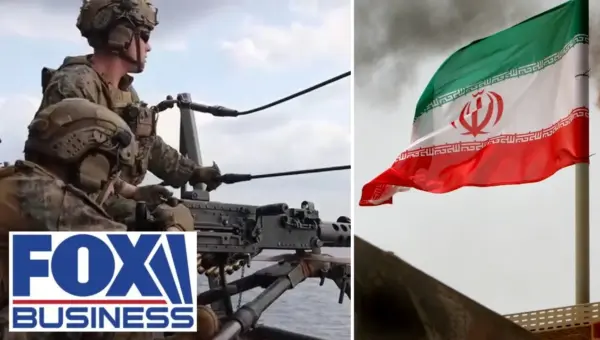
The Pentagon is reportedly weighing a significant troop increase of 10,000 soldiers to the Middle East, potentially escalating tensions with Iran. This move comes amid reports of U.S. precision strikes and interceptions of Iranian missiles by allies, raising concerns about regional stability and global oil supplies.