Trump Claims Victory, But Reality Paints a Different Picture
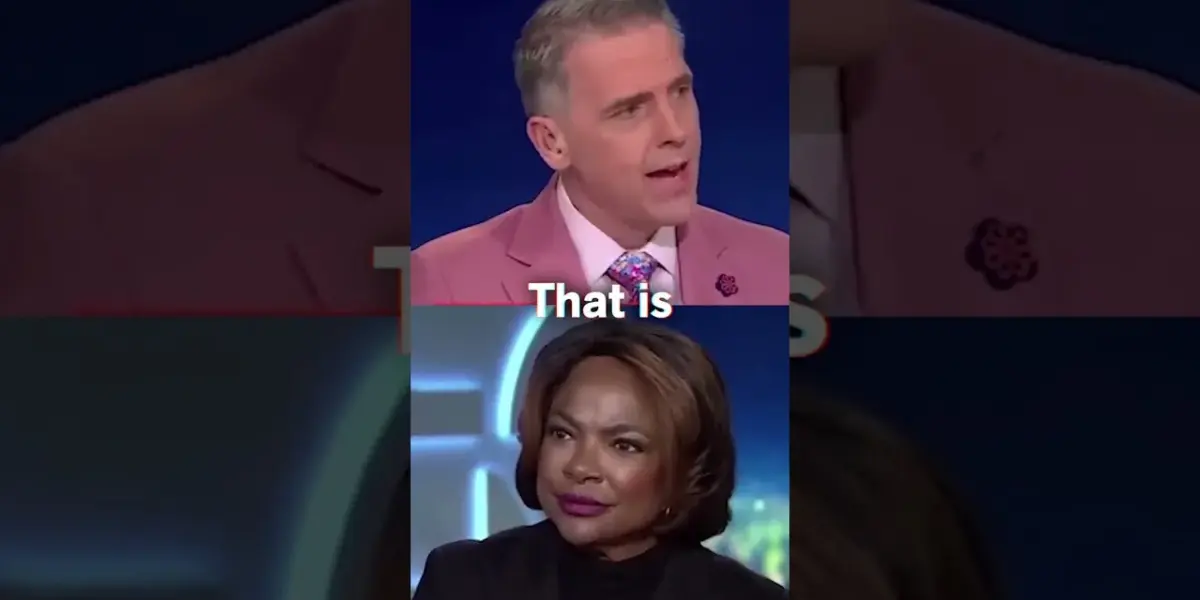
A recent CNN exchange revealed a stark contrast between Donald Trump's claims of victory in the conflict with Iran and the on-the-ground realities. Journalist Adam Mockler challenged the assertion of victory, pointing to troop deployments and ongoing military concerns. The debate highlights the crucial difference between political rhetoric and the complex truths of international conflict.

Trump Claims Victory, But Reality Paints a Different Picture
On a recent CNN appearance, a tense exchange unfolded between pundit Scott Jennings and journalist Adam Mockler regarding the ongoing conflict with Iran. The core of the debate centered on whether the United States had achieved victory, a claim made by former President Donald Trump. Jennings, pressed for a simple ‘yes’ or ‘no,’ struggled to directly answer, instead focusing on the conditions of a potential win.
Mockler highlighted Jennings’ careful wording, pointing out that Jennings framed victory as a future possibility, dependent on certain conditions being met. This suggests that, in Jennings’ view, the war has not yet been won. Mockler argued that Trump’s statement of victory does not match the reality on the ground.
Conflicting Narratives Emerge
The discrepancy lies in the differing interpretations of what constitutes a win. Trump declared victory, but Mockler questioned this assertion by pointing to ongoing military actions and the deployment of troops. If the military capabilities of Iran were truly devastated, Mockler asked, why would the Strait of Hormuz still be a concern, and why would the 82nd Airborne Division be sent to the Middle East?
Jennings outlined a scenario for victory: destroying Iran’s military and missile capabilities, preventing them from developing nuclear weapons, and ending their support for terrorism. He suggested that if these outcomes are achieved, it would be an undeniable win for the U.S. However, Mockler emphasized that this is a hypothetical future, not the current state of affairs.
Ground Truth vs. Political Rhetoric
Mockler stressed the disconnect between Trump’s pronouncements and the actual situation. He described a confusing cycle of declarations of victory, followed by negotiations, and then more claims of victory. This political rhetoric stands in stark contrast to the tangible actions being taken, such as mobilizing thousands of troops and requesting significant funding for the conflict.
The situation in Iran itself adds another layer of complexity. The aging Supreme Leader, Ayatollah Ali Khamenei, was reportedly replaced by his much younger son, who is described as more radical and extreme. This individual is said to be purging moderates within the regime. Mockler questioned what the U.S. has actually gained from this conflict, especially considering these internal shifts in Iran and the continued need for military engagement.
Why This Matters
This debate highlights a critical issue in political communication: the gap between the words of leaders and the realities faced by military personnel and the public. When political leaders declare victory in complex conflicts, it can obscure the ongoing challenges and costs. This can lead to public confusion and a lack of understanding about the true objectives and progress of military operations.
The exchange also raises questions about accountability and transparency. If the public is told a conflict is won, but troops are still being deployed and significant resources are being allocated, there is a need for clear explanations. The public deserves to know what the goals are, what progress is being made, and what the ultimate outcomes are expected to be.
Historical Context and Future Outlook
The U.S. has a long history of involvement in the Middle East, often marked by complex alliances, shifting objectives, and debates over the effectiveness of military interventions. Understanding the current situation requires looking back at previous engagements and the stated goals versus the actual results. The rhetoric surrounding the Iran conflict echoes past instances where declarations of success did not fully align with the on-the-ground situation.
Looking ahead, the situation remains uncertain. The internal dynamics within Iran, coupled with the U.S. military presence and ongoing diplomatic efforts, suggest a prolonged period of tension. The effectiveness of the U.S. strategy will likely be judged not just by political declarations, but by tangible changes in regional stability, the reduction of threats, and the well-being of the populations involved. The public will continue to look for clear, consistent information that bridges the gap between political claims and the challenging realities of international conflict.
Source: Adam Mockler CORNERS Scott Jennings on CNN Over Trump War #politics #fyp #new (YouTube)

Related Articles
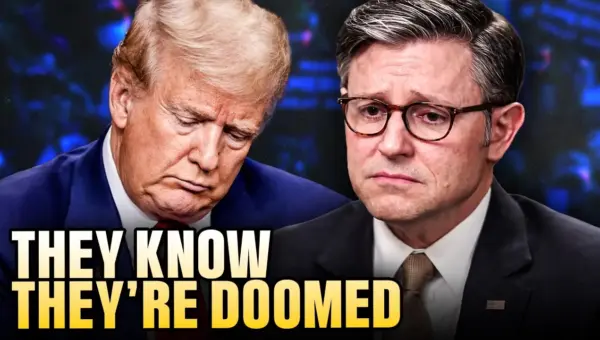
Polls Spell Doom: Republicans Face Voter Backlash
New polling data reveals a sharp decline in public confidence regarding the economic impact of Republican policies, particularly under Donald Trump. A significant majority now feel financially worse off, a trend that is especially pronounced among independent voters. This economic discontent poses a major challenge for the Republican party heading into future elections.
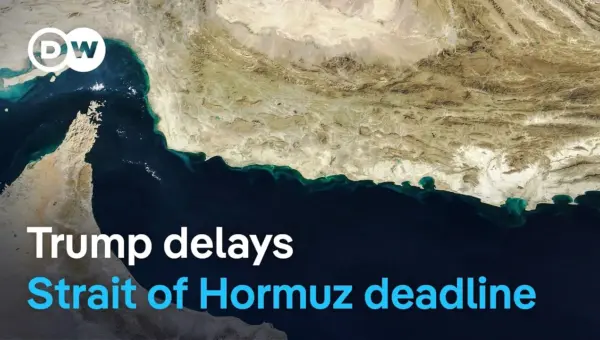
Trump Delays Iran Strike Deadline Amidst Shifting Diplomacy
President Donald Trump has extended his deadline for potential strikes on Iranian energy plants to April 6th, amid reports of U.S.-Iran diplomatic talks mediated by Pakistan. This move comes as Israel continues its strikes on Iran and the U.S. deploys additional military assets to the region. Analysts point to mixed signals, economic pressures, and strategic miscalculations as key factors shaping the evolving situation.
Iran War Claims Ring Hollow as US Troops Injured in New Attack
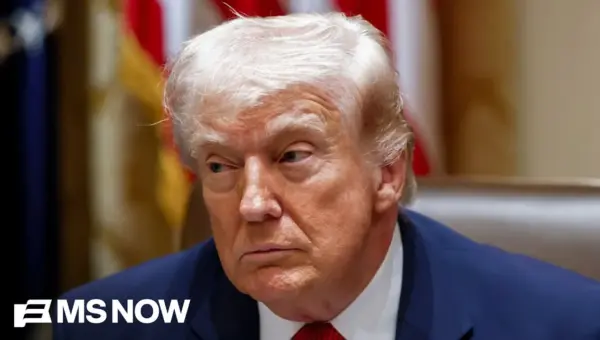
Days after Donald Trump claimed "we've won" the war with Iran, a new attack injured approximately a dozen U.S. troops and damaged aircraft. This incident contradicts Trump's assertions of victory and raises serious questions about the strategy and reality of the ongoing conflict.