Satellites May Pollute Earth’s Atmosphere, Harm Ozone
Earth's atmosphere may face a new threat from the growing number of satellites burning up upon re-entry. Scientists warn that the resulting particles could deplete the ozone layer and impact climate, urging for greater research and regulation.

Satellites May Pollute Earth’s Atmosphere, Harm Ozone
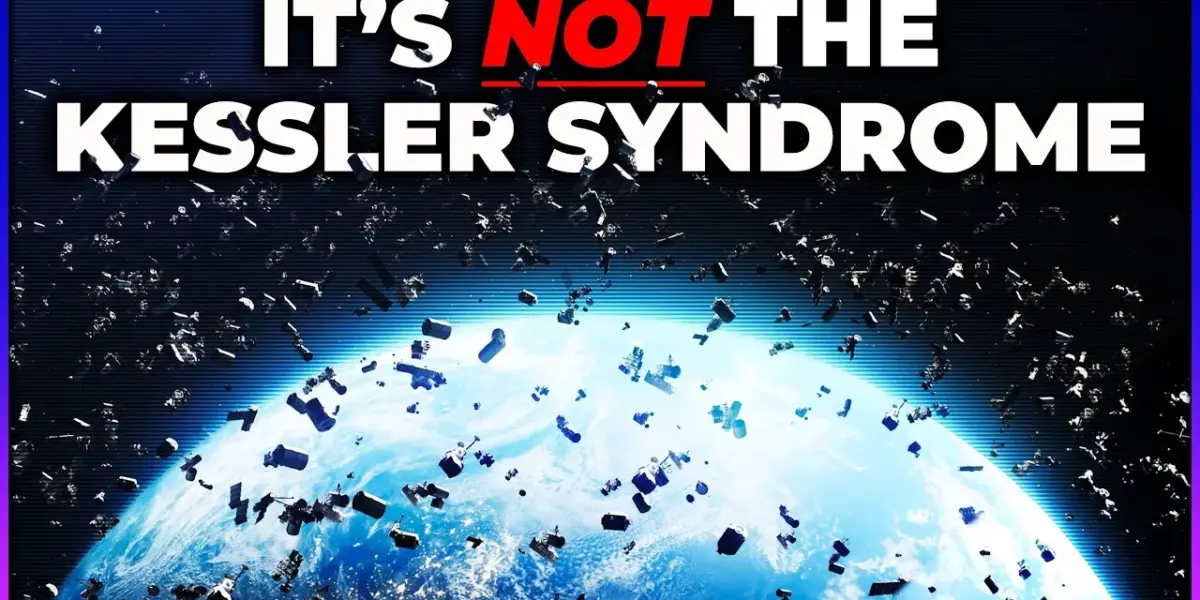
The number of satellites orbiting Earth has soared past 10,000, a dramatic increase from just a few thousand a decade ago. This number is only expected to grow, with companies like SpaceX proposing to launch hundreds of thousands, even up to a million satellites. While these advancements offer incredible benefits, scientists are raising concerns about a previously unknown form of pollution caused by these satellites.
Burning Up, But Not Disappearing
When satellites reach the end of their operational life, they are typically guided to re-enter Earth’s atmosphere. During this fiery descent, most of the satellite ablates, or burns up. However, this process isn’t always complete. Small particles, much tinier than a human hair, are formed from the burning material. These microscopic particles can linger in the upper atmosphere, specifically the stratosphere, for years.
Professor Laura Rall from the University of Canterbury, an atmospheric modeler, explains that while the current number of satellites is manageable, a significant increase could overwhelm the atmosphere’s natural cleaning processes. “At our current rates, the atmosphere can clean this up,” Rall states, “But at higher and higher levels, if we had maybe 10 times as many launches, then we will no longer be able to clean out this material from the atmosphere.”
Impact on the Ozone Layer and Climate
The concern lies in how these lingering particles interact with Earth’s atmosphere, particularly the ozone layer. The ozone layer is crucial because it shields us from harmful ultraviolet (UVB) radiation from the sun. Scientists have detected rare earth metals in aerosol samples from the stratosphere that can only be explained by spacecraft re-entry.
A study led by Professor Rall’s team found that a tenfold increase in rocket launches could significantly harm the ozone layer. This is especially worrying given the progress made in healing the ozone layer since the 1980s and 90s due to bans on chlorofluorocarbons (CFCs). Some rocket fuels also release chemicals that directly deplete ozone. While past models showed this wasn’t a major concern due to low launch numbers, the current trajectory changes that picture.
Beyond ozone depletion, these particles can also affect Earth’s climate. Aerosols, like the tiny particles from burning satellites, absorb and scatter sunlight. An accumulation of these particles could alter the amount of solar radiation reaching the Earth’s surface, potentially leading to changes in global temperatures.
The Challenge of Scale and Speed
The rapid acceleration of satellite launches is outpacing scientific understanding. “The numbers are just taking off exponentially and doing so much faster than the science can keep up with, quite frankly,” Rall notes. There are still many unknowns, including how much of a satellite breaks down into these long-lasting particles and the specific chemistry involved.
Historically, the atmosphere has dealt with small amounts of material from meteorites. However, the influx of aluminum oxide particles from human-made satellites is now exceeding the natural influx from space. This shift, occurring over a very short period, is a significant concern for atmospheric scientists.
Fuel Composition Matters
The type of fuel used by rockets also plays a role. Solid rocket motor fuel, for instance, releases reactive chlorine into the stratosphere, which is known to attack ozone. While newer rockets are moving towards cleaner fuels like methane, which primarily produce water vapor and black carbon, even these can have impacts. Black carbon, in particular, is concerning because it absorbs sunlight, heats the stratosphere, and can contribute to ozone damage.
Looking Ahead: Regulation and Research
Addressing these potential environmental impacts requires global cooperation and regulation. Scientists are calling for more transparency from the satellite industry, including sharing data on satellite composition and materials. This information is vital for atmospheric modelers to accurately predict the consequences of launching vast numbers of satellites.
The current methods for de-orbiting satellites, designed to prevent space debris, might also contribute to atmospheric pollution. Future solutions need to consider both debris prevention and atmospheric impact. As Rall suggests, a critical question is whether we truly need these mega-satellite constellations and orbital data centers, or if alternative solutions exist.
The situation highlights a broader challenge: humanity’s tendency to develop new technologies without fully understanding their long-term environmental consequences. “We’re great as a species at just inventing new things and using them and then finding out years or decades later that actually they were releasing particles or chemicals into the environment which tend to matter,” Rall observes. The scientific community is essentially playing catch-up, trying to understand and mitigate the effects of these new atmospheric pollutants.
Source: There Might Be A Limit on How Many Satellites We Can Launch (YouTube)

Related Articles


Inslee Slams Trump on Economy Amidst Rising Gas Prices
Former Washington Governor Jay Inslee strongly criticized former President Donald Trump's economic policies and his response to rising gas prices. Inslee slammed Trump as 'out of touch with reality' amidst market turmoil and the closure of the Strait of Hormuz. He also warned of potential legislative efforts to shield the oil and gas industry from climate change accountability.
Heat Dome Scorches 14 States, Shatters Records Early
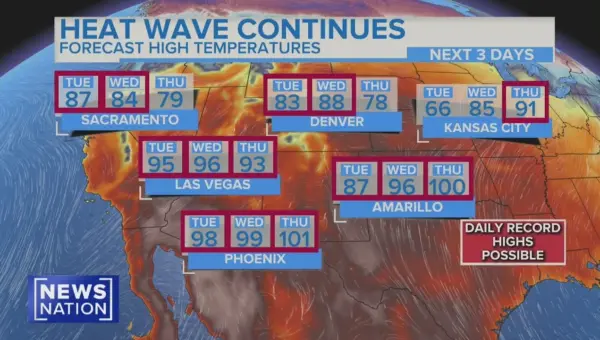
A powerful heat dome is causing record-breaking temperatures across 14 states, pushing summer-like heat into early spring. Meanwhile, Hawaii faces severe flooding due to interconnected weather systems. These extreme events highlight growing concerns about climate change.


Hawaii Flooding: Drains Back Up, Showcasing Urban Water Woes
Dramatic video from Kaimuki, Hawaii, shows water surging from a manhole during heavy flooding. This event highlights the strain on urban drainage systems caused by increasingly intense rainfall. It serves as a stark reminder of the urgent need for infrastructure upgrades to combat the growing threat of extreme weather.