Iran Rejects US Peace Plan, Demands More in Negotiations
Iran has dismissed claims of imminent peace talks with the United States, calling President Trump's proposed 15-point plan unrealistic. The plan, which aims to limit Iran's nuclear and missile programs in exchange for sanctions relief, has been met with skepticism. Iran is now likely to demand more concessions, especially after recent regional events and seeking assurances of good-faith negotiations.

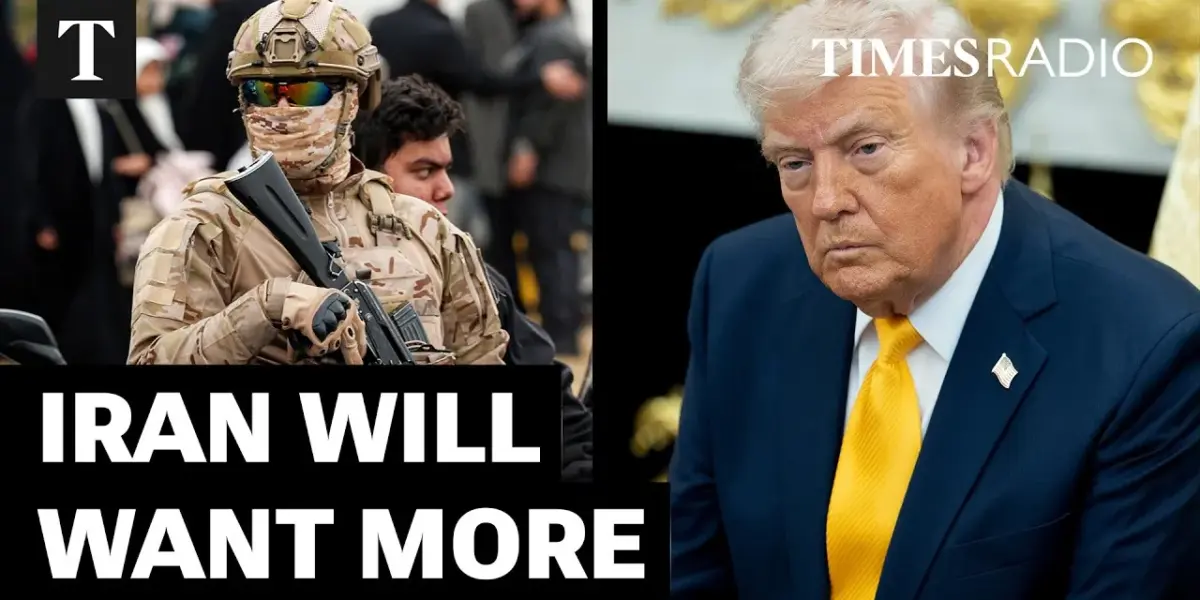
Iran Dismisses Trump’s Peace Plan Amid Escalating Tensions
Iran has rejected claims that it is close to ceasefire talks with the United States, accusing Washington of negotiating with itself. At the heart of the dispute lies a proposed 15-point peace plan put forward by President Trump. This plan reportedly aims to place strict limits on Iran’s nuclear and missile programs in exchange for lifting sanctions and reopening key shipping routes.
Tehran has called the proposals an unrealistic tactic designed to ease global market pressure. The nation also stated it has reopened the Strait of Hormuz to non-hostile ships, after previously restricting access. This back-and-forth highlights the complex diplomatic challenges and escalating tensions between the two nations.
Gulf States Seek to Bridge Divide, Focus on Key Issues
Christian Coat Oricson, a fellow for the Middle East at the Baker Institute for Public Policy, shared insights from a Gulf perspective. He noted that officials from Gulf States are actively involved in trying to bridge the gaps between Iran and the US. Their goal is to reestablish communication channels, suggesting they may have a clearer understanding of the ongoing preparations.
However, the full details of Trump’s 15-point plan have not been released, leaving many uncertain about its specific contents. From the Gulf’s viewpoint, two issues stand out as critically important. First, the matter of missiles has become even more significant following recent events. Second, ensuring freedom of navigation through the Strait of Hormuz is now a top priority for the region. Gulf states are likely to push for the most progress on these two fronts.
Trump’s Shifting Stance and Military Buildup Raise Questions
The exact contents of the plan remain unclear, with President Trump’s public statements reportedly shifting rapidly. He has moved from issuing ultimatums to suggesting he is buying time. Analysts suggest two possible interpretations of this behavior. One is that Trump is seeking an “off-ramp” or an exit strategy, especially as economic pressures mount on US partners in the Middle East.
The alternative interpretation is that this is a tactic to buy time for a military buildup. The recent deployment of 2,000 additional US forces from the 82nd Airborne to the region supports this view. This uncertainty makes it difficult to determine the true US strategy. Iran’s dismissal of negotiating with itself reflects a sentiment shared by many observers.
Iran May Demand More After Recent Events, Seeks Assurances
Reports prior to recent conflicts suggested that Iran was preparing to accept significant compromises. However, given the events of the past weeks, Iran may now seek more favorable terms. This includes potential limits on nuclear programs, missiles, and regional influence.
From Iran’s perspective, assurances that the US will negotiate in good faith are paramount. They recall instances in May 2025 and February of this year where, as they see it, the US abandoned negotiations and seemingly approved military action. Iran is likely seeking guarantees that such a situation will not occur a third time. The issue of uranium enrichment was a key topic in earlier talks. Reports suggest both sides were close to an agreement that would have addressed stockpiling highly enriched uranium and enrichment levels. Iran may view this as a baseline for future talks but will likely demand more.
Strait of Hormuz Navigation Remains Contentious
Regarding the Strait of Hormuz, Iran claims it has reopened the waterway to non-hostile ships. However, the reality has always been more complex. Iran has selectively allowed certain ships, like oil tankers bound for China, to pass through without issue. Reports also indicate that ships from countries like India have negotiated safe passage.
From a Gulf perspective, Iran’s actions are seen as provocative. The Strait of Hormuz is an international waterway governed by international law. Furthermore, key shipping lanes pass through Oman’s territorial waters, meaning Iran is not the sole entity with a physical presence in the strait. Iran’s actions are viewed as further provocations by the Gulf states and the international community.
What to Watch Next
The coming days will be critical in determining the path forward. All eyes will be on whether diplomatic channels can be reopened effectively and if both sides can find common ground on the core issues of nuclear activity, missile development, and regional stability. The US military posture in the region and Iran’s response to any further deployments will also be closely monitored.
Source: Iran Were Ready To make A Deal But Now They Are Likely To Want More (YouTube)

Related Articles
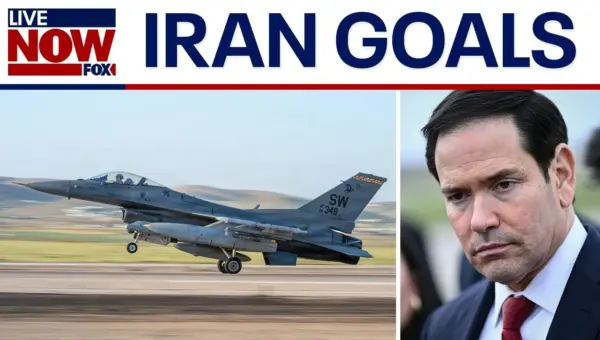
Rubio: US Can Achieve Iran War Goals Without Troops
Senator Marco Rubio outlined a strategy to counter Iran without deploying U.S. ground troops, focusing on weakening the regime and enhancing maritime security. He also criticized Cuba's economic system and expressed concerns about West Bank violence.


Israel Escalates Iran Strikes, Warns of Wider War
Israel has launched significant strikes inside Iran following continued missile fire, warning of further escalation. The conflict risks wider regional instability and economic disruption, especially concerning the Strait of Hormuz.

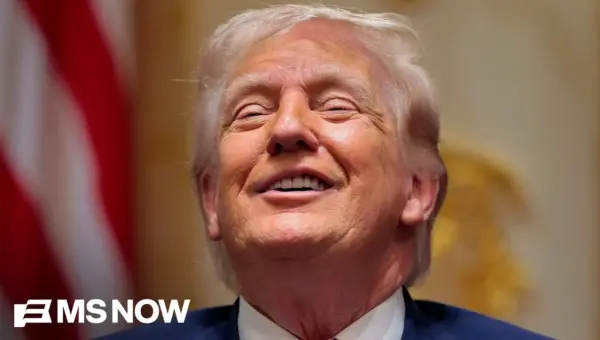
Trump’s Name Everywhere: A ‘Stain’ on GOP Legacy?
Former President Donald Trump's efforts to brand national symbols, including a proposed signature on dollar bills, spark debate. Critics view this as an authoritarian attempt to embed his legacy, potentially staining the Republican Party's history and contrasting with democratic ideals of public ownership.