Iran Rejects Peace: Trump Faces Escalation Choice
Iran has rejected a U.S.-led peace proposal, signaling a desire to continue the conflict. This leaves President Trump with limited options, potentially forcing a significant military escalation. The war's continuation raises concerns about further destruction and regional instability.

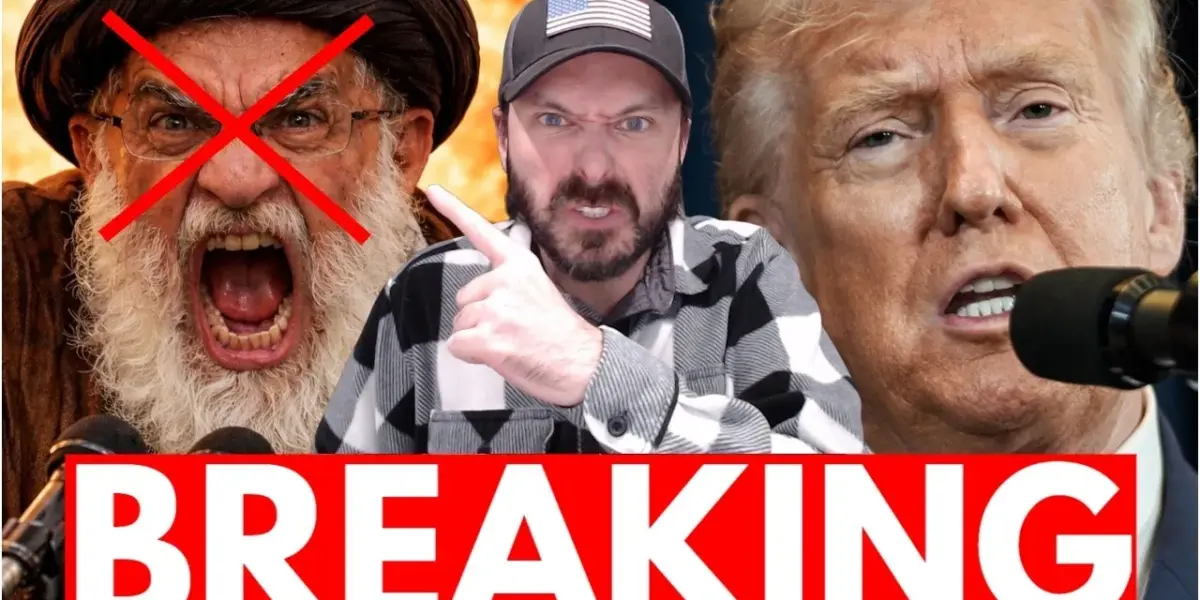
Iran Rejects Peace: Trump Faces Escalation Choice
In a significant development, Iran has turned down a peace plan offered by the United States. This rejection means the ongoing conflict will likely intensify, leaving President Trump with few options but to escalate military actions. The war, which involves the United States, Israel, and Iran, along with Gulf states, continues with no clear end in sight.
Peace Talks Collapse
Reports confirm that Iran officially rejected a 15-point proposal aimed at ending hostilities. This plan was presented to Iran through mediators. Iran’s leadership stated they are prepared to continue fighting and will deliver counter-strikes against any actions they deem hostile. This move signals a clear desire from Iran to prolong the conflict, despite facing significant military damage.
A Rejected Off-Ramp
The United States had presented the peace plan as a way to de-escalate the situation. The military assessment suggested that Iran’s navy, air force, and missile stockpiles have been severely weakened. This provided what seemed like an opportunity for Iran to step back from the brink. However, Iran’s refusal indicates they prefer to continue the war, potentially leading to more civilian casualties and attacks on U.S. interests.
The Escalation Dilemma
With peace talks failing, the narrative suggests President Trump’s only remaining option is to significantly increase military pressure. The strategy proposed is to escalate actions to a point where Iran has no choice but to accept a peace deal. This approach, often termed “escalate to de-escalate,” involves hitting the Iranian regime with overwhelming force.
The United States has held back greatly, with many weapons in our arsenal still untouched. We have the capacity to inflict greater pain on the Islamic regime.
The argument is that the U.S. has not used its full military might. Options like taking control of key islands or deploying troops to coastal areas could be considered. The idea is to demonstrate resolve and force Iran’s hand by inflicting unprecedented damage.
Military Strikes Continue
As these diplomatic efforts fail, military operations are ongoing. The U.S. has conducted massive strikes in areas like Tyrron, resulting in widespread destruction of buildings and infrastructure. Footage shows significant explosions hitting what are described as hardened military manufacturing facilities.
U.S. Central Command (CENTCOM) has released videos of these strikes, stating they are aimed at degrading Iran’s military capabilities that have threatened regional stability for years. Cruise missiles and B-52 bombers have been deployed to strike targets within Iran. These actions underscore the commitment to a more aggressive military posture.
Iran and Allies Strike Back
Despite U.S. actions, Iran and its allies continue to retaliate. Israel has reported direct ballistic missile strikes from Iran, hitting targets like a power facility in Hidera. Additionally, Kuwait’s airport has been targeted, with images showing heavy smoke rising from the site.
Strategic Islands in Focus
There is speculation that the U.S. might target strategic islands controlled by Iran, such as Lark Island. This island serves as a key naval base and controls shipping lanes in the Strait of Hormuz. Taking control of such locations could be part of a broader strategy to reopen vital shipping routes and gain leverage in the conflict.
Why This Matters
Iran’s rejection of a peace deal dramatically alters the course of the conflict. It signals a commitment to prolonged warfare, which will inevitably lead to more casualties and destruction. For the United States and its allies, this leaves a difficult choice between further escalation, which carries significant risks, or attempting to find an alternative diplomatic path, which now appears less likely.
Implications and Future Outlook
The current situation points towards a period of heightened military activity. The potential for escalation could draw in more regional players and increase the risk of wider conflict. The economic impact, particularly on global oil markets due to potential disruptions in the Strait of Hormuz, is also a serious concern. The coming weeks will be critical in determining whether de-escalation is possible or if the conflict enters a more dangerous phase.
Historical Context
Tensions between the U.S. and Iran have a long history, marked by geopolitical rivalries and proxy conflicts. The current escalation follows years of sanctions, diplomatic standoffs, and regional power struggles. Understanding this historical backdrop is crucial to grasping the complexities and potential consequences of the ongoing military engagement.
Source: Iran REJECTS Ceasefire Offer – Trump Must EXTREMELY ESCALATE (YouTube)

Related Articles

G7 Allies Clash Over Iran War Strategy, Urge Focus on Russia
G7 foreign ministers met in Paris, revealing deep divisions over the U.S. war with Iran. European allies urged the U.S. to pressure Russia, linking its actions to the conflict and fearing support for Ukraine will wane.

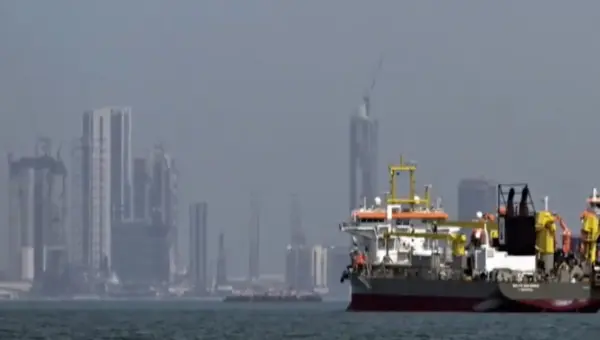
Iran Blocks China Ships, Exposing Beijing’s Weak Grip
Iran's recent decision to block Chinese ships at the Strait of Hormuz is exposing the limits of Beijing's influence in the Middle East. This action is causing delays and cancellations for Chinese manufacturers, turning a perceived geopolitical win into an economic strain.
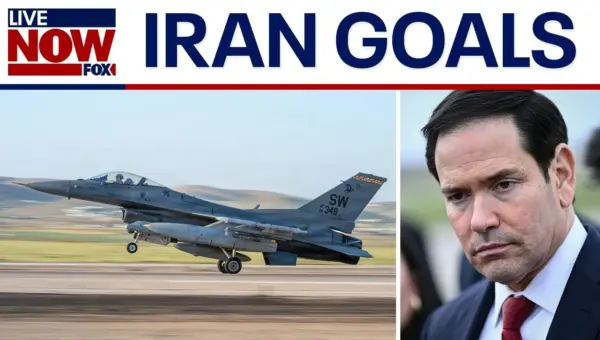
Rubio: US Can Achieve Iran War Goals Without Troops
Senator Marco Rubio outlined a strategy to counter Iran without deploying U.S. ground troops, focusing on weakening the regime and enhancing maritime security. He also criticized Cuba's economic system and expressed concerns about West Bank violence.