Wars and Tariffs Fuel Inflation, Americans Pay the Price
Rising prices and a swelling national debt are squeezing American families. The video suggests that policies like Trump-era tariffs and recent wars are major contributors to these economic pressures, impacting everything from gas prices to the cost of living. This situation could have significant political consequences.


Wars and Tariffs Fuel Inflation, Americans Pay the Price
Many Americans are feeling the pinch as prices for everyday goods continue to climb. For younger generations, seeing gas prices hit $4 a gallon is a particularly sharp sting. This pain isn’t new; it’s been worsened by past policies, like the tariffs imposed by the Trump administration. These tariffs, which started around 2025, added roughly $1,000 to the yearly expenses of many American families. While other factors like changes to ACA subsidies also play a role, the growing national debt is a major concern.
The Mounting Burden of Debt
The national debt has swelled significantly, with an additional $8 trillion added due to recent military conflicts in the Middle East. This has led to a staggering situation where the United States now spends $1 trillion annually just to cover the interest on this debt. Adding to this financial strain, the country is committing tens of billions of dollars to new wars, with no clear end in sight. This ongoing spending creates a debt crisis that could burden younger generations for decades.
Policy Decisions and Economic Impact
When leaders continue to push policies that negatively affect families, these actions often have consequences. Such policies can backfire, especially during midterm elections. Some predict that these economic pressures could lead to significant shifts in political power, potentially a strong showing for the opposing party. The current conflict in the Middle East has intensified these concerns, making the economic impact feel more immediate and personal for many voters.
Observing the Effects Firsthand
The real-world effects of these economic pressures are hard to ignore. Even simple actions, like driving to the airport, bring these issues into sharp focus. Passing by multiple gas stations and noticing the prices serves as a constant reminder of the rising cost of living. These observations highlight how economic policies and global events directly translate into the daily financial struggles of ordinary people.
Why This Matters
The connection between government spending on wars, trade policies like tariffs, and the prices Americans pay at the pump and in stores is a critical issue. When the government borrows heavily for military conflicts, it adds to the national debt. Servicing this debt requires significant taxpayer money that could otherwise be used for domestic programs or tax relief. Tariffs, while intended to protect domestic industries, often result in higher costs for consumers because imported goods become more expensive, and domestic producers may also raise prices knowing there’s less competition.
Historical Context
Throughout history, periods of significant government spending, particularly on military endeavors, have often been linked to inflation. After major wars, nations have frequently grappled with managing increased debt and its economic fallout. Similarly, trade disputes and the imposition of tariffs have historically led to increased consumer prices in various countries. The current situation echoes these past patterns, showing how long-standing economic principles continue to influence today’s challenges.
Trends and Future Outlook
The trend of increasing national debt fueled by foreign conflicts is a growing concern. As the cost of borrowing rises, so does the burden on taxpayers. The effectiveness and long-term cost of military interventions are being questioned more frequently. Looking ahead, voters may increasingly demand fiscal responsibility from their leaders, pushing for policies that prioritize economic stability over costly foreign entanglements. The impact on elections suggests that voters are becoming more attuned to how these large-scale financial decisions affect their personal budgets.
Looking Ahead
The current economic climate, marked by rising prices and significant government debt, presents a complex challenge. It highlights the need for careful consideration of the long-term consequences of policy decisions, especially those involving war and trade. As Americans continue to feel the effects, the pressure for more responsible fiscal management and a clearer understanding of how global events impact local economies will likely grow.
Source: Trump’s Policies and War are Driving Up Prices #politics #fyp #new (YouTube)

Related Articles

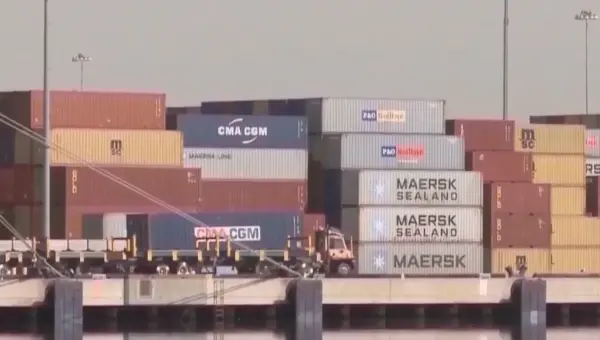
China Fights Back: Tariffs Loom Ahead of Trump Visit
China is retaliating against US trade investigations that could lead to higher tariffs. This escalating trade tension occurs just before a planned visit by President Trump. The dispute involves accusations of unfair practices and impacts global supply chains.

Markets Wobble as Geopolitics Shift Dramatically
Global markets are showing volatility as geopolitical tensions rise, with the Nasdaq nearing correction territory. Concerns over consumer spending, rising costs, and the nation's fiscal health are intensifying. Analysts debate whether current events represent short-term market noise or a fundamental "reinvention of geopolitics" with long-term implications.
Trump Promises Farmers 20% Income Boost, Tax Relief
Former President Donald Trump addressed a large gathering of American farmers, highlighting a 20% surge in farm income and detailing tax cuts and regulatory relief. Key policies discussed include bonus depreciation for equipment, elimination of the estate tax, and expanded trade deals. The administration also announced new loan guarantees and efforts to reduce equipment repair costs.