Russia Faces Military Setbacks, Seeks Oil Price Boost
Russia faces potential instability if it loses the war in Ukraine, its greatest fear. Moscow is reportedly leveraging rising oil prices to sustain its war effort, despite battlefield setbacks. Meanwhile, Ukraine's growing expertise in drone warfare is becoming a significant asset.

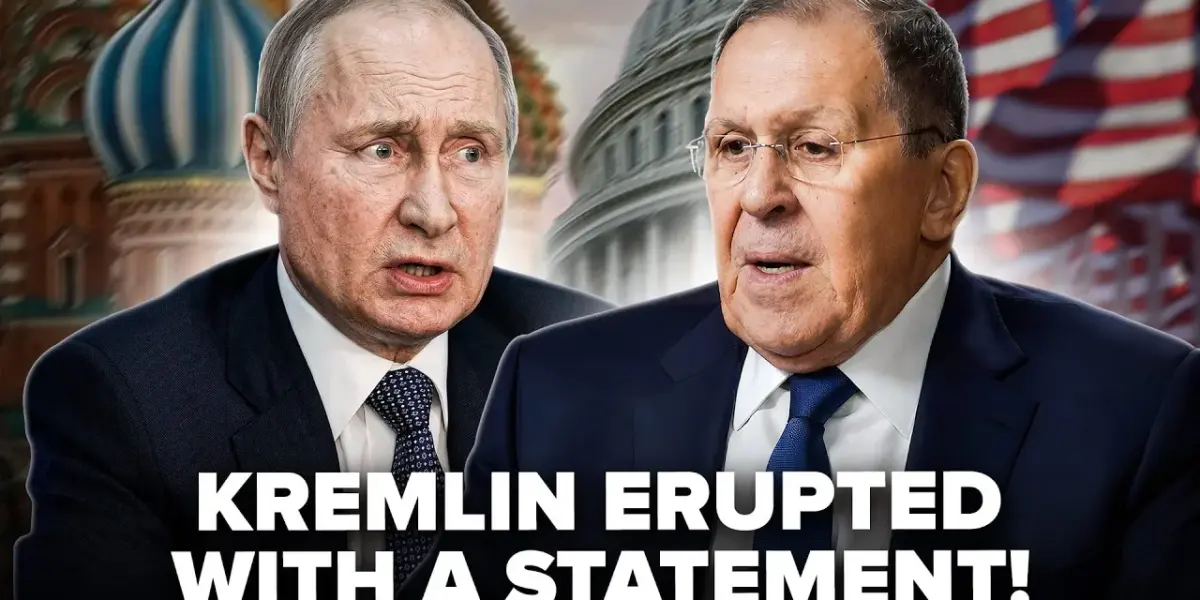
Russia Faces Military Setbacks, Seeks Oil Price Boost
Recent statements from the Kremlin suggest Russia is preparing for a prolonged conflict in Ukraine. While Moscow claims negotiations have stalled, analysts believe Russia is primarily seeking to gain leverage through rising oil prices. This strategy aims to offset battlefield losses and sustain its war effort, but faces challenges from international policy shifts.
Kremlin’s Diplomatic Stance Questioned
Kremlin spokesperson Dmitry Peskov stated that peace talks between Moscow and Kyiv, mediated by Washington, have effectively stalled. However, American diplomat Daniel Fried views this as a tactical maneuver by Russia. He believes Russian Foreign Minister Sergey Lavrov’s comments about lacking deadlines for a peace deal are intended to prolong the conflict and keep Moscow’s options open, rather than reflecting a genuine desire for concessions.
Fried noted that while diplomatic talks are a positive sign, they do not guarantee progress on their own. He indicated that US-Ukrainian talks were scheduled, suggesting a potential re-engagement by the United States in pushing for an end to the war. The ultimate decision on serious participation in talks, Fried explained, rests with President Putin, who is likely waiting for a perceived strategic advantage.
Economic Pressures and Oil Price Strategy
Rising global oil prices present a complex picture for Russia’s war economy. While increased revenue provides a significant financial boost, it does not fully compensate for the economic losses Russia has sustained. This influx of cash slows the rate of economic decline but does not eliminate it, according to Fried. He criticized recent US decisions to ease sanctions on Russian and Iranian oil sales, calling them mistakes.
Fried argued that these policy adjustments, intended to lower global oil prices, have not achieved that goal. Instead, they provide Russia with substantial profits without strategically altering the overall oil market situation. He also expressed strong reservations about potential US plans to ease sanctions on Iranian oil. This move, he stated, is difficult to comprehend given that the original campaign aimed to pressure Iran. Easing pressure now seems to undermine previous efforts and suggests a lack of well-considered policy.
Ukraine’s Growing Military Expertise
Ukraine is increasingly recognized for its battlefield expertise, particularly in drone warfare. The country’s decision to offer drone and technical assistance to nations in the Gulf and the United States is seen as a strategic move. This demonstrates Ukraine’s capacity as a security provider, countering arguments that it only consumes foreign aid. It also highlights Ukraine’s rapid development and production capabilities, with cycles often measured in days rather than months or years.
This expertise is considered critical and not merely symbolic. Fried suggested that the US administration should publicly acknowledge and capitalize on this Ukrainian assistance. The US military, he believes, already appreciates Ukraine’s contributions in this domain.
NATO Unity and European Security
Transatlantic cooperation within NATO remains a key focus, despite historical divergences in strategic priorities between the US and Europe. Fried pointed to past instances, such as the Vietnam War and the war on terror, where differing viewpoints existed. He urged the US administration to accept and utilize the support offered by European nations and Ukraine, rather than complaining about a perceived lack of contribution.
Discussions about France extending its nuclear deterrence to European allies, including potentially Ukraine, are ongoing. While Fried considers this less likely, he does not rule it out. Such a move could occur under NATO or the European Union framework. If Ukraine were to join the EU, French nuclear deterrence might be offered under existing EU security provisions. The US, historically cautious about dividing nuclear deterrence strategies, might show reluctance. However, given the current US administration’s emphasis on Europe taking greater responsibility for its defense, cooperation with French initiatives could be possible.
Russia’s Greatest Fear: Losing in Ukraine
Daniel Fried identified Russia’s greatest fear as losing the war in Ukraine. Such a defeat could trigger internal instability and opposition within Russia. He drew parallels to historical instances where Russian military losses, including the Crimean War, the Russo-Japanese War, World War I, and the Afghan War, were followed by periods of instability, reform, or revolution.
While some experts suggest Russia benefits from the current global situation, particularly concerning Iran, Fried believes this is dependent on the war’s outcome. He noted that while Russia has provided intelligence to Iran that could target Americans, this could pressure the US administration to increase sanctions on Russia. The situation remains fluid, and any perceived Russian benefit from the conflict may not be permanent.
US-China Relations and Summit Expectations
Regarding the potential meeting between Chinese President Xi Jinping and then-President Trump, Fried expressed measured expectations. He noted that the meeting’s occurrence was uncertain and that Trump’s stance had shifted from a tougher approach to a more accommodating one regarding China. Fried anticipated that Trump would likely seek a working relationship with Xi, but the conditions and specific US demands concerning Chinese actions in the Western Pacific and trade practices would be critical factors.
Source: 😱Putin’s regime fears this the most! Lavrov made a statement on war. Kremlin is losing control (YouTube)

Related Articles
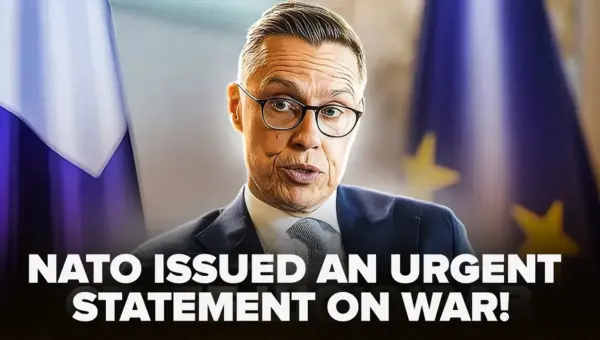
Ukraine Strikes Russian Oil Refinery, Eyes Iran Threat
Ukrainian forces struck a key Russian oil refinery, disrupting Moscow's war capabilities. Meanwhile, Finland's president urged continued U.S. support for Ukraine, as Kyiv shares its air defense expertise globally amid growing geopolitical complexities involving Iran and potential sanctions against Hungary.
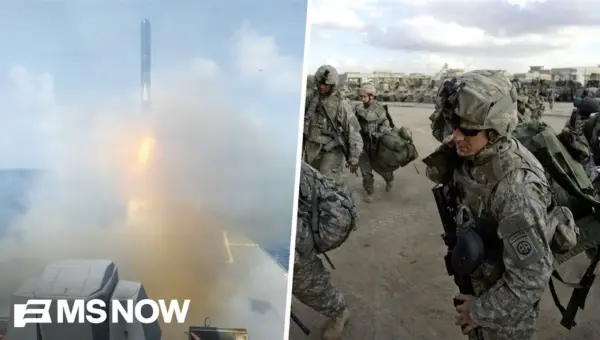
Iran Missile Strikes Injure US Troops, Raise War Concerns
Iranian missile strikes have injured U.S. service members, escalating tensions as the conflict nears one month. The attacks are raising concerns about the effectiveness of U.S. military strategy and the depletion of crucial missile stockpiles. Global oil prices have surged, impacting economies worldwide.
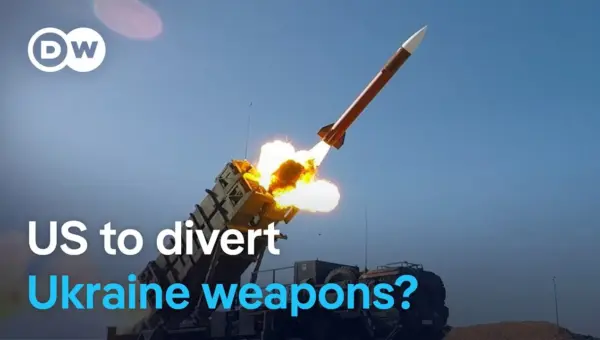
US Weighs Shifting Ukraine Weapons to Iran Amid Missile Shortage
The U.S. is reportedly considering diverting weapons destined for Ukraine to support operations against Iran, driven by rapidly depleted missile stocks. This potential shift raises concerns about Ukraine's defense capabilities and highlights the complex interplay between global conflicts.