Warthogs Strike Iran Proxies In Iraq
US Air Force A-10 Warthogs are conducting close air support missions against Iranian-backed Popular Mobilization Forces in Iraq. The aircraft's 30mm Gatling gun is being used to strike militia positions as part of a broader strategy to counter Iran's regional influence and secure vital shipping lanes.

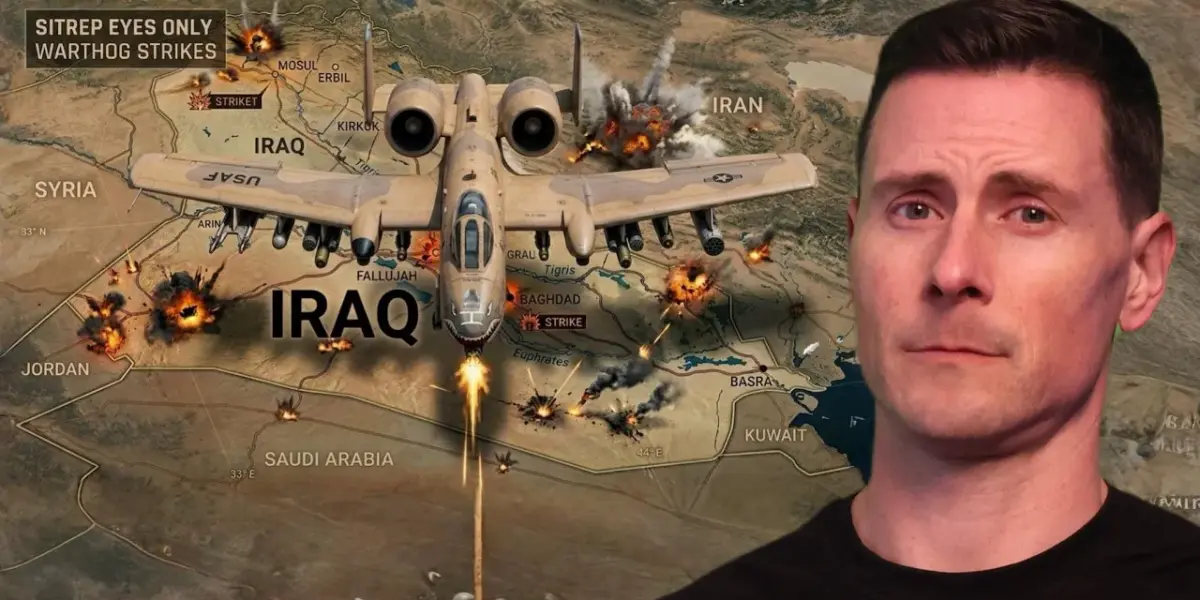
A-10 Warthogs Unleash Firepower on Iran-Backed Forces in Iraq
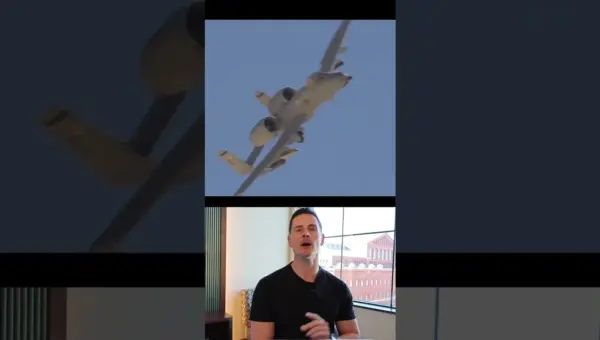
US Air Force A-10 Thunderbolt II aircraft, nicknamed “Warthogs,” are conducting close air support missions against Iranian-backed Popular Mobilization Forces (PMF) in Iraq. These operations, part of Operation Epic Fury, aim to degrade Iran’s network of proxy militias. The A-10s are utilizing their GAU-8 Avenger 30mm Gatling gun, known for its distinctive “BRRRRT” sound, to strike PMF positions.
Targeting Iraqi Militias
The PMF, also known as Hashd al-Shaabi, is an umbrella group of Shia paramilitary militias formed in 2014. While officially part of the Iraqi armed forces, many factions receive significant backing from Iran’s Islamic Revolutionary Guard Corps (IRGC). These groups often operate independently of full Iraqi government control. The A-10 strikes are designed to neutralize threats to US forces and protect vital shipping lanes in the Persian Gulf.
Devastating Gun Runs
Recent footage shows A-10s performing high-angle attack runs, a tactic likely employed to reduce exposure to potential small arms fire or man-portable air-defense systems (MANPADS). The aircraft’s 30mm cannon fires depleted uranium rounds at a rate of over 3,900 rounds per minute. These strafing runs have targeted PMF bases, including a commander’s residence near Mosul and a base in Anbar province. Iraqi reports indicate strikes on a clinic and work units resulted in seven soldiers killed and 13 wounded.
Strategic Context: Degrade and Deter
These actions are part of a broader US strategy to counter Iran’s influence and disrupt its proxy network. By targeting the PMF, the US aims to prevent attacks on its troops and allies, as well as safeguard maritime security. The A-10’s ability to loiter over targets and deliver precise, heavy firepower makes it ideal for these close air support missions. The aircraft can also be armed with rockets and missiles, such as APKWS and Mavericks, for more varied threats.
Broader Geopolitical Tensions
The military operations occur amid heightened tensions between the US and Iran. Iran continues to launch missile volleys toward Israel, though many are being intercepted. The US has presented a 15-point ceasefire proposal to Iran, which includes sanctions relief and limitations on its nuclear and missile programs. However, Iran has largely rejected these overtures, with officials stating the US is negotiating with itself and that Iran will not yield under duress.
Iran’s Response and US Posture
Iranian leadership has remained defiant, accusing the US of hypocrisy and rejecting proposals. They continue efforts to disrupt shipping in the Strait of Hormuz and maintain their missile and drone programs. In response, the US is reportedly preparing to deploy paratroopers from the 82nd Airborne Division to the Middle East, alongside Marine Expeditionary Units. This buildup signals a readiness to increase pressure on Iran and its proxies.
Strategic Implications
The sustained use of the A-10 against Iranian proxies demonstrates a commitment to degrading Iran’s regional capabilities without necessarily initiating a full-scale ground war. The focus on the Strait of Hormuz highlights its critical importance to global trade and US strategic interests. By pressuring Iran’s proxy network and securing vital waterways, the US seeks to compel Iran to negotiate more favorably or face continued attrition of its regional influence. The deployment of additional ground forces suggests a readiness to escalate if diplomatic or airpower measures prove insufficient.
Historical Parallels
The current situation echoes past conflicts where airpower played a decisive role in degrading enemy capabilities and supporting ground operations. The A-10’s role in providing close air support against irregular forces is reminiscent of its effectiveness in Operation Desert Storm. The strategy of targeting proxy networks to weaken a state actor also draws parallels to broader counter-insurgency and counter-terrorism doctrines, aiming to dismantle support structures that sustain regional instability.
Conclusion
The A-10 Warthog continues to prove its relevance on the modern battlefield, delivering precise and devastating firepower against Iranian-backed militias in Iraq. These operations, combined with diplomatic efforts and potential troop deployments, underscore the complex multi-faceted approach being employed to manage regional tensions and counter Iranian influence. The coming weeks will likely reveal whether Iran will engage in good-faith negotiations or continue its current path of defiance.
Source: BRRRRT In Iraq: A-10 Warthog Gun Runs SHRED Iranian Militias (YouTube)

Related Articles

A-10 Warthog Devastates Iranian-Backed Forces in Iraq
The U.S. Air Force's A-10 Thunderbolt II, or "Warthog," has conducted devastating "gun runs" against Iranian-backed PMF militias in Iraq. The aircraft's powerful GAU-8 gun proved highly effective, signaling a direct challenge to Iranian regional influence.
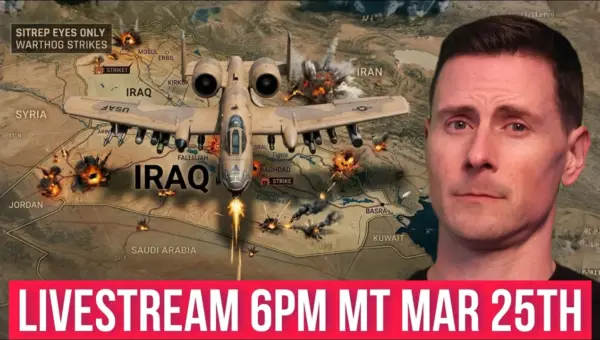
A-10 Warthogs Strike Iranian-Backed Forces
U.S. Air Force A-10 Warthogs have conducted strikes against Iranian-backed militia bases in Iraq as part of Operation Epic Fury. The operation highlights U.S. airpower dominance and comes amid a 15-point U.S. ceasefire proposal. These actions aim to disrupt militia operations and signal consequences for aggression.
A-10 Warthogs Shred Iranian Boats in Strait
The A-10 Thunderbolt II, or "Warthog," has proven its effectiveness in the Strait of Hormuz, destroying Iranian fast attack craft and mine layers with its powerful GAU-8 cannon. These actions aim to ensure freedom of navigation in the vital waterway.