Iran Rejects US Peace Plan, Demands Own Terms
Iran has rejected a U.S. peace proposal and presented its own five conditions for ending the conflict. This move comes amidst diplomatic efforts by the U.S. to find an "off-ramp" to de-escalate tensions. Israel remains skeptical of any deal that doesn't address the regime's fall, while Pakistan emerges as a potential intermediary.

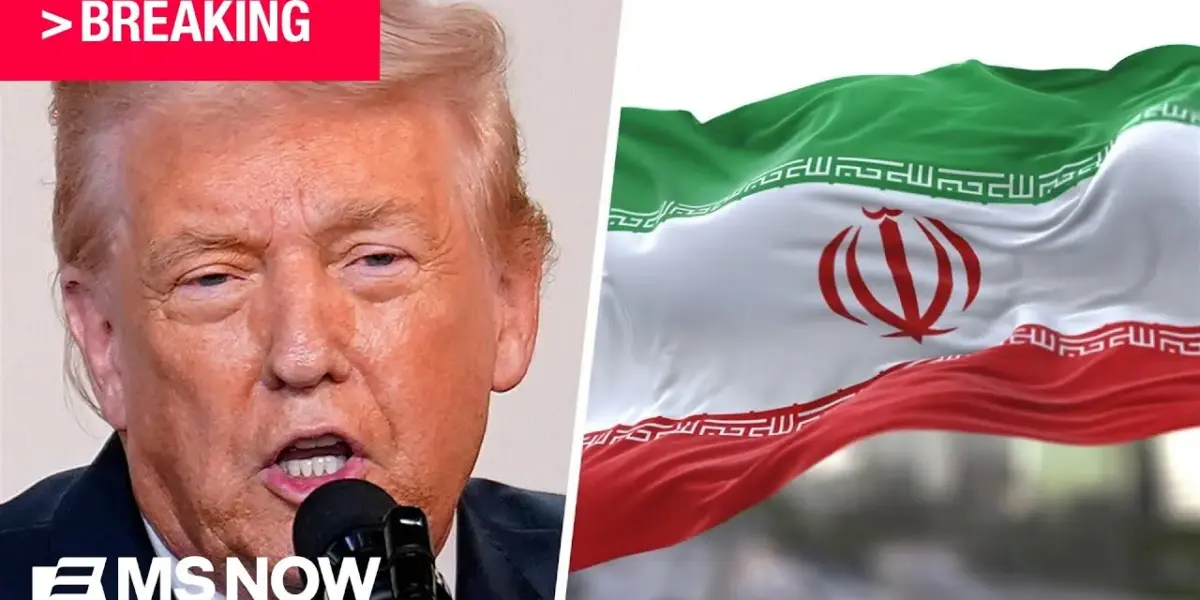
Iran Rejects US Peace Proposal, Sets Own Conditions
Iran has rejected a peace proposal put forth by the United States, according to a diplomatic source in Iran who spoke on condition of anonymity. The source revealed that Iran has instead set five conditions for ending the current conflict, signaling a complex diplomatic standoff. These demands include an immediate end to attacks and assassinations targeting Iranian individuals, a clear commitment and guarantee for war reparations payments from the U.S., and international recognition of Iran’s authority over the Strait of Hormuz. Furthermore, Iran insists on a complete cessation of hostilities across all fronts, including for all Iranian proxy groups operating in the region.
Israel’s Stance Amidst Diplomatic Efforts
The situation remains tense, with Israeli leaders expressing skepticism about the prospect of a lasting peace agreement. While the ultimate stance of Prime Minister Netanyahu is still unclear, a member of the Likud party, which is Netanyahu’s political party, shared concerns about any deal that might offer Iran a lifeline. “If this is how the war ends, then, of course, we all want this war to end,” the Knesset member stated. “If right now, we see a weak Iran that is begging for some rope to be saved, and we give them that rope, then that would be a tragedy.” Many Israeli officials believe the conflict will not be truly over until the regime in Tehran falls completely. They are highly doubtful that Iran will adhere to any agreement regarding its nuclear or ballistic missile programs.
US Seeks Diplomatic Off-Ramp Amid Military Buildup
Despite the rejection, the United States, under President Trump, appears to be actively seeking a diplomatic resolution. President Trump has referred to Iran’s actions, such as allowing some non-hostile tankers through the Strait of Hormuz, as a “gift.” Analysts suggest this framing might be an attempt to highlight minor concessions to justify a potential peace deal. However, military movements suggest a simultaneous push for diplomatic and military options. The 82nd Airborne Division has been called up, adding to the deployment of Marines. This military buildup is seen as more than just posturing, with contingency plans being prepared for various scenarios. These could include intensified air campaigns and potential ground operations to secure key islands controlling the Strait of Hormuz, should diplomatic efforts fail.
Pakistan’s Emerging Role as Intermediary
In the midst of these complex negotiations, Pakistan is emerging as a potential key intermediary. Despite past U.S. distrust of Pakistan’s role in the War on Terror, both sides may rely on it for communication. President Trump has shown flexibility in choosing allies, and Pakistan’s willingness to potentially host talks could position it as a trusted go-between. This development comes as the U.S. has limited trust in Iran, making neutral ground and intermediaries crucial for any progress. The U.S. has historically relied on Pakistan for support in regional matters, though its reliability has been questioned at times.
Military Options and Strategic Considerations
Military experts note that any ground campaign in Iran would be significantly different from past operations, like the 2003 invasion of Iraq. The focus would likely be on securing strategic islands controlling the Strait of Hormuz, such as Kish Island, which is heavily fortified. Taking these islands would involve challenging terrain, including mountainous regions and populated cities, requiring air superiority and extensive operations to clear tunnels and bunkers. The deployment of forces like the 82nd Airborne suggests a readiness for complex military objectives, potentially including securing nuclear materials if their locations were known. However, the primary goal remains to avoid such a conflict, with military actions serving as a fallback if diplomacy fails.
Negotiation Dynamics and Future Outlook
The current situation is characterized by Iran’s counterproposal, which is a natural part of any negotiation. The U.S. had been pushing for an unconditional surrender, which Iran has rejected. The effectiveness of these stated conditions as genuine negotiation points versus public posturing remains to be seen. The involvement of figures like Steve Wyckoff and Jared Kushner’s son-in-law suggests the U.S. is actively pursuing avenues for a deal. The coming weeks will be critical in determining whether a middle ground can be found between the U.S. desire for de-escalation and Iran’s demands for recognition and reparations, with Pakistan potentially playing a vital role in facilitating dialogue.
Source: BREAKING: Iran rejects U.S. peace proposal, diplomatic source says (YouTube)

Related Articles

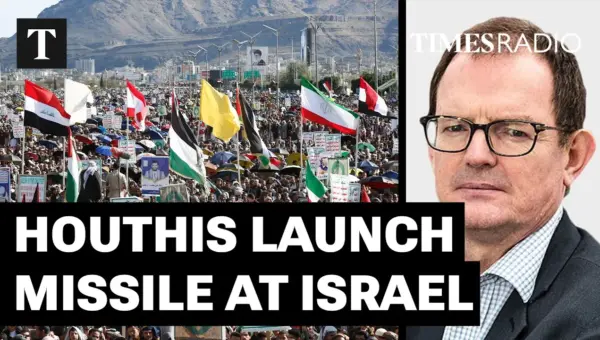
Houthis Fire Missile at Israel, Iran’s Guard Takes Center Stage
Yemen's Houthi group has fired a missile at Israel, signaling a potential escalation of the regional conflict. Meanwhile, Iran's powerful Islamic Revolutionary Guard Corps (IRGC) appears to be consolidating its control over the country's leadership following reported strikes. This shift places hardline figures at the forefront of decision-making.

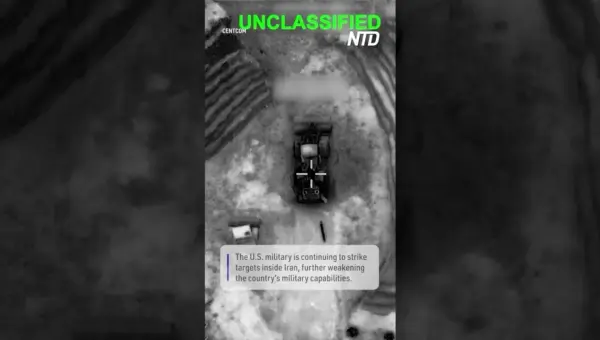
US Strikes Cripple Iran’s Military Might, CENTCOM Reports
U.S. Central Command reports ongoing strikes inside Iran are significantly weakening its military power. This direct action aims to reshape regional security dynamics, but carries risks of escalation. The long-term impact depends on Iran's response and ability to adapt.

U.S. Iran Tensions Rise Amid Shifting Alliances
Rising tensions between the U.S. and Iran are creating a volatile geopolitical situation. With conflicting signals on de-escalation and potential shifts in alliances like NATO and U.S.-Israel relations, the path forward remains uncertain. The global economy and regional stability hang in the balance.