Iran’s Drone Swarms Threaten US Forces: Are We Prepared?
Iranian-backed militias are now using FPV drones to strike US equipment in Iraq, raising concerns about military preparedness. Conflicting messages about war's end and stalled ceasefire talks add to regional tensions. Experts warn against over-reliance on air power, urging a clearer strategic vision.

Iran’s Drone Swarms Threaten US Forces: Are We Prepared?
The conflict between Iran and the United States has entered a new and concerning phase. Iranian-backed militias have begun using FPV (first-person view) drones to attack American military equipment in Iraq. This development comes as the US proposed a 30-day ceasefire, which Iran appears to have rejected.
New Drone Threats Emerge
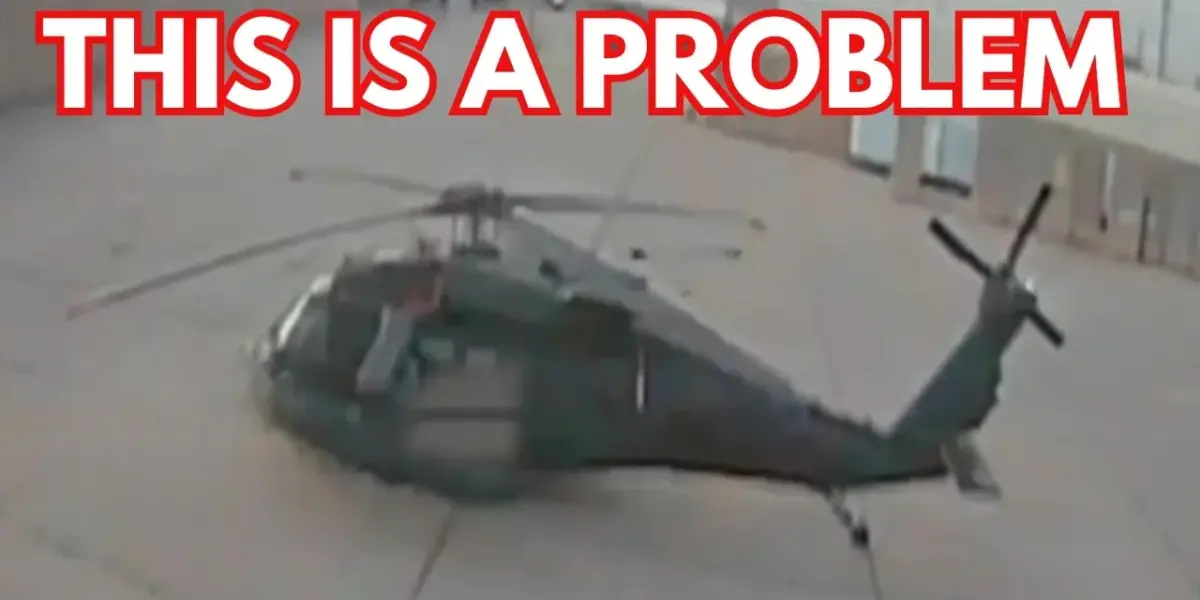
Video footage released by these militias shows FPV drones striking at Camp Liberty in Iraq. The targets included an AMPQ64 Sentinel radar system and a UH60 Blackhawk helicopter, which was likely a medevac (medical evacuation) helicopter. Camp Liberty is a base that once housed a large US military presence, though it has been significantly reduced. However, American forces still operate there.
The use of FPV drones raises serious questions about US preparedness. These drones are relatively inexpensive and can be controlled with precision, making them a potent threat. The fact that expensive equipment like radar systems and helicopters were left exposed suggests a lack of adequate defensive measures. This is particularly worrying given that the US has had about four years to prepare for such a threat.
Underestimating the FPV Threat
There seems to be a concerning mindset that US forces are only at risk if deployed directly into Iran. This is a dangerous miscalculation. As seen in operations like “Operation Spiderweb,” Ukrainian drone operators successfully attacked Russian aircraft deep inside Russia. Similarly, FPV drones can strike US military installations anywhere in the world, including bases in Iraq like Camp Liberty. The recent attacks in Baghdad highlight this vulnerability.
Reports indicate that protective measures like nets and fencing are not being widely deployed at these bases. If Iran decides to increase its use of these drones across the region, targeting bases, diplomatic facilities, and embassies, significant damage could be inflicted before effective defenses are put in place. Iran is known to possess FPV drones, and the real question is not if they have them, but how many and how far they can reach.
Conflicting Messages on the War’s Status
The drone attacks occur against a backdrop of confusing statements about the war’s progress. President Trump recently declared victory, stating the war was won. However, this claim contrasts sharply with the ongoing conflict and the proposed ceasefire negotiations.
A 15-point peace plan was reportedly sent to Iran, offering a potential path to end the war. Key points included Iran abandoning its proxy network, addressing its missile program later, and lifting all sanctions. While ending Iran’s proxy network would be a positive step, the proposal to defer the missile program and lift all sanctions are significant concessions that Iran has long desired.
Iran’s Rejection and Diplomatic Stalemate
Iran has publicly rejected the ceasefire proposal, with its leadership stating that the war is not over and that they are focused on achieving their strategic objectives. Iranian officials have denied any ongoing talks with the United States, citing negative past experiences with US diplomacy. This stance mirrors the approach of other leaders who seek long-term resolutions rather than short-term ceasefires.
The lack of clear communication and the conflicting messages create uncertainty. While some suggest the talks are ongoing to allow for more US assets to arrive in the region, the actual status of negotiations remains unclear. Reports indicate that no date or location has been set for any potential US-Iran talks, even with Pakistan potentially hosting them.
Escalating Military Presence
Meanwhile, the US military presence in the Middle East is increasing. Around 2,000 soldiers from the 82nd Airborne Division have been ordered to deploy to the region. Additionally, an amphibious ready group with the 31st Marine Expeditionary Unit is expected to arrive within the next few days. This buildup suggests a potential shift towards a more forceful approach.
There is talk of military action to open the Strait of Hormuz, which could involve occupying territory in Iran or nearby islands. This would aim to ensure the passage of commercial vessels, a critical concern for global trade. US and Israeli forces have reportedly conducted over 12,000 strikes inside Iran since the war began, though details on the effectiveness of these strikes are vague.
Concerns from Military Experts
Experienced military leaders are expressing caution. Former General Stanley McChrystal, in a New York Times interview, warned against the “seduction of air power.” He argued that relying solely on bombing key targets may not achieve desired outcomes, especially if the goal is to change the minds of the population. He drew parallels to the Iraq War, where initial air campaigns were followed by prolonged ground conflicts.
McChrystal emphasized the importance of matching tactical victories with strategic success. While the US military is highly capable of conducting precise strikes, the long-term strategy and desired political outcomes need to be clearly defined and achievable. The current situation raises concerns that the US might be falling into a trap of believing air power alone can solve complex geopolitical problems.
Why This Matters
The escalating use of FPV drones by Iran and its proxies presents a new and immediate threat to US forces and interests in the Middle East. The apparent lack of adequate defensive measures against this low-cost, high-impact weapon system is a critical vulnerability. Furthermore, the conflicting messages regarding diplomatic efforts and the ongoing military buildup create a volatile and unpredictable environment.
This situation underscores the need for a clear and realistic strategy. It highlights the danger of underestimating asymmetric threats and the importance of robust, adaptable defenses. The differing perspectives from military leaders suggest a debate about the most effective approach to conflict in the modern era, moving beyond traditional air power solutions to address complex political and strategic goals.
Looking Ahead
The coming weeks will be crucial in determining the trajectory of this conflict. Will diplomatic efforts yield any results, or will the situation continue to escalate militarily? The effectiveness of Iran’s FPV drone program and the US response to it will be closely watched. The strategic decisions made now will have significant implications for regional stability and the safety of military personnel deployed in the area.
Source: FPV Drones Enter the Iran War – Are We Ready? (YouTube)

Related Articles
Pentagon Weighs 10,000 Troops for Iran Showdown
The Pentagon is reportedly weighing a significant troop increase of 10,000 soldiers to the Middle East, potentially escalating tensions with Iran. This move comes amid reports of U.S. precision strikes and interceptions of Iranian missiles by allies, raising concerns about regional stability and global oil supplies.


Iran Strikes US Base: Are We Learning from Mistakes?
A recent Iranian drone and missile attack wounded American service members and damaged aircraft in Saudi Arabia. This incident highlights concerns about military preparedness and the failure to learn from past mistakes, as exposed aircraft remain vulnerable targets. The ongoing conflict involves complex regional dynamics, including Iran's missile capabilities and the potential involvement of groups like the Houthis, raising questions about future stability.


House Republicans Block DHS Funding Bill; Iran Faces War Fears
House Republicans have rejected a Senate-passed bill to fund the Department of Homeland Security, leaving thousands of TSA workers unpaid and deepening a political standoff. Meanwhile, in Iran, citizens face escalating conflict amidst fear, an internet blackout, and growing internal divisions, though glimmers of hope persist.