Iran Rejects US Peace Plan, Demands Security Guarantees
Iran has rejected a U.S. peace plan, demanding an end to aggression, security guarantees, and reparations in exchange for a ceasefire. This stance comes as the U.S. prepares to deploy more troops to the Middle East, while mediators continue efforts to de-escalate the conflict.

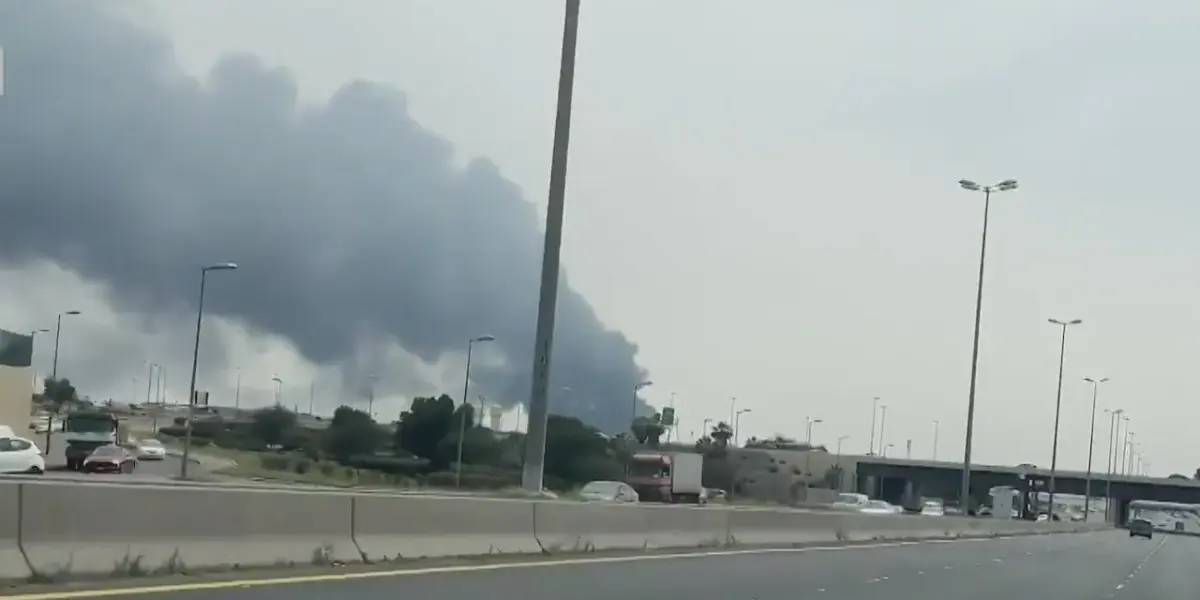
Iran Rejects US Peace Plan, Demands Security Guarantees
Iran has reportedly turned down a 15-point peace proposal put forth by the United States to end the ongoing conflict. Instead, the Iranian regime has presented its own set of conditions for a ceasefire. This development comes as the Pentagon prepares to send thousands of additional troops to the Middle East, raising tensions further. President Trump had set a deadline for Iran to reopen the Strait of Hormuz, a critical waterway for global oil trade. Meanwhile, air strikes continue to fly between Iran and Israel, with Israel reporting an average of 10 Iranian missiles daily.
Iran’s Conditions for Ceasefire
According to reports from Iranian state television, backed by regional diplomats, Iran’s initial response to the U.S. plan was negative. Iran stated it is not ready to stop fighting and intends to end the conflict on its own terms and timeline. Five essential conditions have been outlined by Iran for ending the hostilities:
- An end to aggression and assassinations targeting Iranian leaders.
- Security guarantees to prevent the war from restarting.
- Reparations for damages caused by strikes within Iran.
- A conclusion to the war against Iran and its allied groups like Hezbollah in Lebanon and militants in Iraq.
- Iran retaining sovereignty over the Strait of Hormuz.
President Trump has previously indicated that Iran retaining control of the Strait of Hormuz would not be acceptable. This suggests a difficult path ahead for White House negotiations.
U.S. Stance and Military Preparations
President Trump had allowed a brief pause on striking Iran’s energy infrastructure to give negotiations a chance. However, he has also made it clear that if talks fail, the U.S. is ready to carry out those strikes. The Pentagon’s decision to deploy additional troops signals a potential escalation if diplomatic efforts do not succeed.
Mediators Push for Diplomacy
Despite the setbacks, diplomacy is not entirely off the table. Egypt’s Foreign Minister recently addressed reporters, emphasizing the need to continue working with mediators like Turkey and Pakistan. These nations have been key in trying to broker peace. The Egyptian side has reportedly had a more positive response from the White House regarding its involvement in negotiating with Iran. However, Iran has historically shown little budge on its stated demands, making a breakthrough challenging.
Global Impact
This standoff significantly impacts global stability, particularly concerning energy supplies. The Strait of Hormuz is a vital chokepoint, with about 20% of global oil consumption passing through it. Any disruption could lead to soaring oil prices and economic hardship worldwide. The ongoing military actions also risk drawing in other regional powers and potentially wider international involvement, creating a volatile security situation.
Historical Context
The current tensions echo historical patterns of conflict and negotiation in the Middle East. Iran’s demand for security guarantees and reparations relates to past grievances and perceived external interference. The U.S. focus on controlling strategic waterways like the Strait of Hormuz is a long-standing security concern for global trade. The involvement of regional mediators like Egypt, Turkey, and Pakistan reflects a long tradition of non-aligned nations attempting to bridge divides between major powers.
Economic Considerations
Economic leverage plays a crucial role. Sanctions against Iran have been a key U.S. policy tool. Iran’s ability to control or threaten the Strait of Hormuz provides it with significant economic leverage, as it can disrupt global energy markets. The U.S. military deployment is a show of force, aimed at deterring further aggression and signaling commitment to regional security and trade routes.
Future Scenarios
Several future scenarios are possible. One is that negotiations fail, leading to increased military action by both sides, potentially escalating into a broader regional conflict. Another is that mediators succeed in brokering a temporary ceasefire, allowing for further, albeit difficult, talks. A third scenario involves a limited de-escalation, where both sides step back from the brink but underlying issues remain unresolved. The likelihood of each scenario depends heavily on the decisions made by leaders in Tehran and Washington in the coming days.
Source: Iran rejects US proposal to end war, sets ceasefire conditions | NewsNation Live (YouTube)

Related Articles

G7 Allies Clash Over Iran War Strategy, Urge Focus on Russia
G7 foreign ministers met in Paris, revealing deep divisions over the U.S. war with Iran. European allies urged the U.S. to pressure Russia, linking its actions to the conflict and fearing support for Ukraine will wane.

Iran Blocks China Ships, Exposing Beijing’s Weak Grip
Iran's recent decision to block Chinese ships at the Strait of Hormuz is exposing the limits of Beijing's influence in the Middle East. This action is causing delays and cancellations for Chinese manufacturers, turning a perceived geopolitical win into an economic strain.
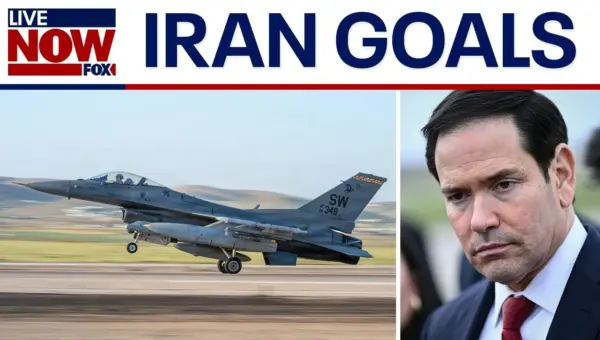
Rubio: US Can Achieve Iran War Goals Without Troops
Senator Marco Rubio outlined a strategy to counter Iran without deploying U.S. ground troops, focusing on weakening the regime and enhancing maritime security. He also criticized Cuba's economic system and expressed concerns about West Bank violence.