Polls Show Trump’s Economy Approval Hits Historic Lows
New polls reveal Donald Trump facing historic lows in economic approval, with significant drops among male voters. Special election results and state polls further indicate a challenging landscape. The analysis connects these trends to concerns about foreign policy costs and a desire for better governance.

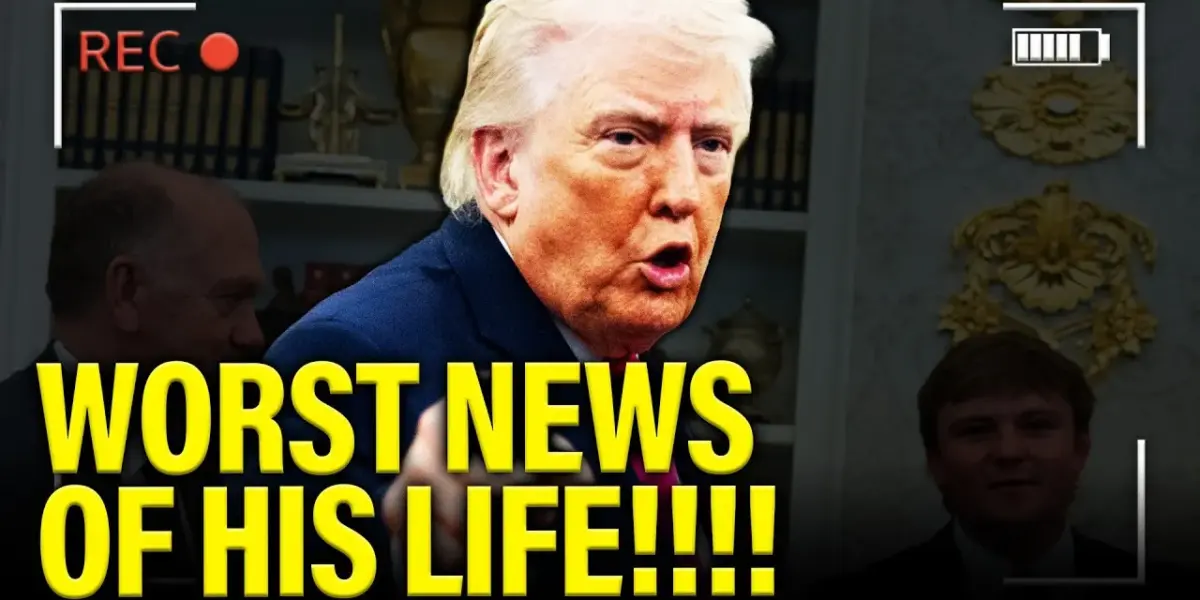
Polls Reveal Troubling Trends for Trump’s Economic Standing
New polling data suggests a significant downturn in public approval for Donald Trump, particularly concerning his handling of the economy. A recent Reuters Ipsos poll indicates that only 36% of Americans approve of Trump, while a substantial 62% disapprove. This marks a historic low for any president at this stage in their term, with particular concern over his economic policies.
Economic Woes Plague Trump’s Approval Ratings
When Americans were asked about specific issues, Trump’s approval on the economy fell to its lowest point in history. Even during periods when President Biden faced his worst economic approval ratings, Trump’s current standing is significantly lower. The poll shows a net negative approval of 33% for Trump on the economy. Furthermore, his approval on the cost of living is even more dire, with a net negative of 41%.
Foreign Policy and Immigration Also Show Weakness
Beyond the economy, Trump’s standing on other key issues also appears weak. His approval on foreign policy is a net negative 27%, a new low. Immigration, often a central theme for Republicans, shows a net negative of 13% for Trump. Even on the sensitive issue of US strikes on Iran, where framing can sometimes offer a slight boost, only 35% of Americans approve, with 61% disapproving.
Shifting Support Among Male Voters
Analysis from CNN highlights a concerning trend for Trump: a significant drop in support among male voters, especially younger men. Historically, Trump has relied on strong support from this demographic. However, recent data shows a dramatic shift. Among young male voters, Trump’s net approval rating is reportedly negative 19% or worse, representing a major swing against him.
Young Men Abandoning Trump
The numbers are stark when looking at specific age groups. Men under 25, who Trump previously won by five points in 2024, now show a net approval rating of negative 9%. This represents a shift of nearly 25 points against him. This change suggests that these voters are reassessing their support based on current policies and performance.
Special Election Results Indicate Local Weakness
Adding to the concerns, two special elections in Florida recently delivered unfavorable results for Trump. In Senate District 14, a district considered to be Trump-leaning, a Democratic candidate won. Similarly, in House District 87, another Trump-endorsed candidate lost in a district that previously leaned Republican. Notably, the winner in District 87 now represents the area around Mar-a-Lago, a district that had previously been a slight win for Trump.
Michigan Poll Shows Continued Decline
Looking at state-level data, a recent poll from Michigan showed Trump’s approval rating at only 39%. Experts anticipate this number may drop further, especially as people continue to struggle with the cost of living and the economic impact of ongoing international conflicts.
The Human and Economic Cost of Conflict
The discussion also touched upon the human and economic toll of international conflicts, particularly the situation in Iran. The human cost involves casualties and destruction in affected regions. On the domestic front, the economic impact is felt through increased costs, such as higher gas prices. These costs, both human and financial, are seen as a direct consequence of decisions made regarding foreign policy.
Opportunity Cost of War
The idea of opportunity cost was raised, suggesting that money spent on military actions could instead be invested in domestic needs like education, infrastructure, or healthcare. The argument is that such spending on conflict diverts resources that could improve the lives of citizens at home. This perspective highlights a fundamental debate about national priorities and the allocation of public funds.
The Gamification of Politics and Loss of Humanity
A critical point was made about the modern political landscape, particularly the influence of online interactions. It was suggested that the way politics is discussed and disseminated online can sometimes detach people from the real-world consequences of policy decisions. When discussing events like civilian casualties or healthcare access, the human element can be lost, leading to a desensitization to suffering.
Restoring Competency and Good Governance
Amidst these concerns, there is a growing call for a return to competency and good governance. Many citizens are looking for leaders who are focused on addressing everyday concerns, such as affordability, job security, and healthcare. The sentiment is that government should prioritize the well-being of its people over special interests or corporate influence.
A Call for People-Centered Politics
The movement discussed aims to promote a politics that is by, for, and of the people, rather than being driven by special interests. This involves getting money out of politics and putting more resources into the hands of citizens. The focus is on addressing issues like healthcare access and ensuring economic stability for all.
Leadership Defined by Sacrifice and Service
The concept of true leadership was also explored, contrasting it with the current political environment. Ideal leadership is described as putting the needs of others first, taking risks, and ensuring that resources benefit everyone. This stands in contrast to a perceived self-serving approach, where leaders are seen as benefiting at the expense of the public.
Democracy Requires Active Participation
Ultimately, the discussion emphasized that democracy is not a passive state but an active process. It requires citizens to engage, participate, and hold their leaders accountable. The energy seen in various protests and community gatherings suggests a growing awareness and a desire to reclaim a government that truly serves the people. This active participation is seen as crucial for correcting the course of public policy and ensuring a better future.
Conclusion: A Call to Action
The current political climate, marked by low approval ratings and public dissatisfaction, signals a critical moment. The analysis suggests that voters are increasingly concerned about economic stability, foreign policy impacts, and the fundamental nature of leadership. The call is for a more engaged citizenry and a renewed focus on serving the needs of the people, moving away from special interests and toward a more human-centered approach to governance.
Source: Trump gets CATASTROPHIC NEWS with FIRST WAR POLL!!! (YouTube)

Related Articles

CPAC Crowd Cheers Impeachment, Stuns Trump Allies
At the recent CPAC conference in Texas, attendees surprised many by cheering for impeachment hearings, signaling potential divisions within the conservative base. The event also highlighted voter frustration over issues like ongoing wars and affordability, with some considering not voting.

Protesters Challenge Presidential Power, Ignite Debate
Millions are protesting nationwide under the "No Kings" banner, challenging presidential authority and policies they deem unconstitutional. Organizers emphasize First Amendment rights while debating foreign policy, immigration, and the balance of power.

Polls Spell Doom: Republicans Face Voter Backlash
New polling data reveals a sharp decline in public confidence regarding the economic impact of Republican policies, particularly under Donald Trump. A significant majority now feel financially worse off, a trend that is especially pronounced among independent voters. This economic discontent poses a major challenge for the Republican party heading into future elections.