White House Briefings Face Scrutiny Over Transparency
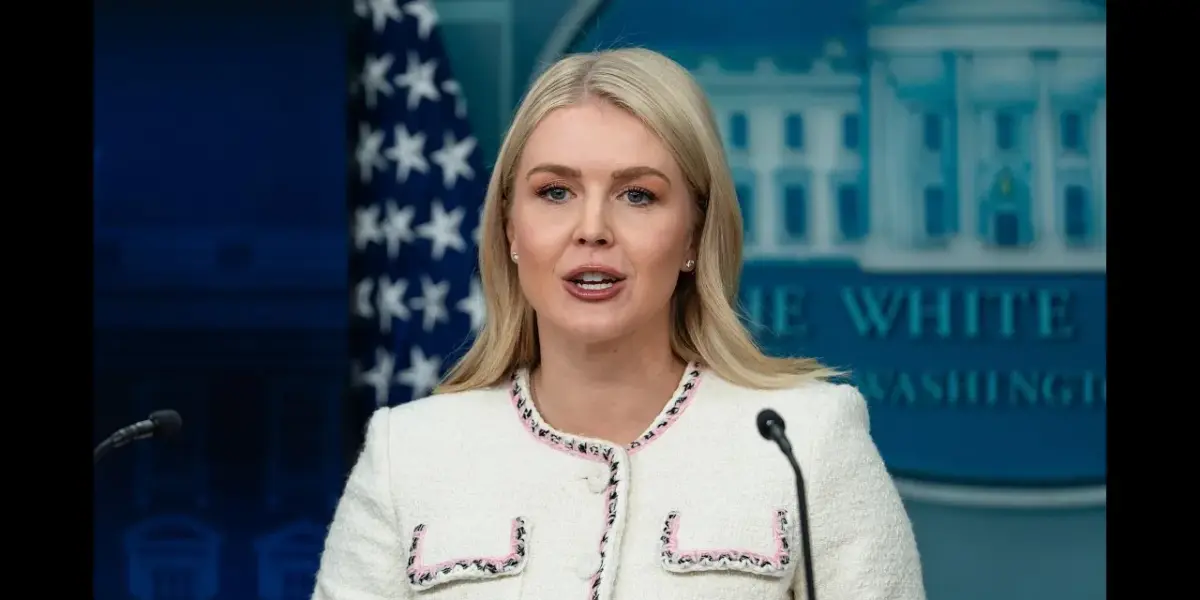
White House Press Secretary Karoline Leavitt's recent briefing highlights ongoing debates about government transparency. These sessions aim to inform the public but often navigate a fine line between sharing information and managing the administration's message.

White House Briefings Face Scrutiny Over Transparency
White House Press Secretary Karoline Leavitt held a press briefing on March 25, a routine event that nonetheless sparks ongoing discussions about government communication. These briefings are meant to be a direct line between the administration and the public, offering updates and answering questions from reporters. However, the nature and effectiveness of these sessions are often debated, with questions arising about the level of transparency and the information shared.
The recent briefing, like many before it, highlighted the dynamic between the press corps and the spokesperson. Reporters aim to get clear answers on pressing issues, while the press secretary’s role involves presenting the administration’s perspective and managing the flow of information. This can sometimes lead to exchanges that are more about strategic messaging than straightforward disclosure.
The Role of the Press Secretary
The White House Press Secretary is a key figure in shaping public perception of the presidency. They are tasked with explaining the administration’s policies, responding to current events, and serving as the primary conduit for news organizations. This position requires a deep understanding of policy, strong communication skills, and the ability to handle tough questions under pressure. The goal is to inform the public while also advancing the administration’s agenda.
Historically, these briefings have evolved. Early press conferences were often more informal, with presidents directly engaging with a smaller group of journalists. Over time, they became more structured, with the press secretary taking center stage. This shift reflects changes in media, technology, and the increasing complexity of governing.
Balancing Act: Information vs. Messaging
One of the central challenges in any White House briefing is the balance between providing open access to information and managing the administration’s message. Press secretaries often face questions on sensitive topics or during rapidly developing situations. In such moments, their responses can be carefully worded to avoid unintended consequences or to present a unified front.
This approach can sometimes lead to frustration among journalists who seek more direct answers. For example, when asked about specific policy details or controversial decisions, the response might be a reiteration of a broader principle or a promise to provide more information later. This is a common tactic to maintain control over the narrative.
Public Perception and Trust
The effectiveness of these briefings is also measured by how the public perceives them. When briefings are seen as open and informative, they can help build trust between the government and its citizens. Conversely, if they are perceived as evasive or overly controlled, they can fuel skepticism and distrust.
The constant stream of news and the 24/7 media cycle add another layer of complexity. Briefings must compete for attention and provide information that is relevant and understandable to a wide audience. This means simplifying complex issues without oversimplifying them to the point of losing accuracy.
Why This Matters
The way information is shared from the White House directly impacts public understanding and engagement with government. Transparent and clear communication fosters an informed citizenry, which is crucial for a healthy democracy. When the public feels they are getting honest answers, they are more likely to trust the institutions that govern them.
Conversely, a lack of transparency can lead to speculation, misinformation, and a general sense of disconnect. This can make it harder for the government to gain public support for its initiatives and can erode confidence in the democratic process itself. The daily press briefing, therefore, is more than just a news event; it’s a vital mechanism for accountability.
Trends and Future Outlook
Looking ahead, the nature of White House briefings may continue to evolve. The rise of social media and alternative news sources means that the traditional press conference is no longer the sole gateway for information. Administrations must now consider how to communicate effectively across multiple platforms to reach different segments of the population.
There is also a growing demand for greater authenticity and direct engagement from government officials. While the press secretary plays a crucial role, there’s an increasing interest in hearing directly from policymakers and the President. Future communication strategies will likely need to adapt to these changing expectations, finding new ways to ensure that the public remains informed and engaged with the workings of their government.
Source: LIVE: White House Press Secretary Karoline Leavitt Holds Press Briefing (March 25) (YouTube)

Related Articles


US Energy Chief’s ‘Alien’ Secret Shakes Global Trust
A former US Secretary of Energy allegedly confessed to classified briefings about extraterrestrial life, causing him immense distress. This revelation, if true, could profoundly impact global trust in government and reshape our understanding of reality.

Polls Show Trump Losing Core Base: A Political Earthquake?
New polls reveal a sharp decline in Donald Trump's support among his core base of non-college white men. This, combined with strong Democratic performances in recent special elections, suggests a potential shift in the political landscape. Meanwhile, ongoing scrutiny of the Epstein case and accusations of government secrecy continue to fuel public demand for transparency.


Stolen Phone Fuels Mandelson Appointment Fears
A stolen mobile phone linked to a former government adviser has reignited concerns about Peter Mandelson's potential appointment as US ambassador. Meanwhile, discussions touched on global tensions involving Iran and the U.S., the resilience of American democracy, and a call for increased frugality in the UK, reminiscent of wartime measures.