Homeland Security Funding Fight Stalls Government Operations
A funding stalemate over the Department of Homeland Security is causing uncertainty in Washington. House Speaker Mike Johnson and Republican leaders are navigating divisions over border security, impacting government operations and potentially influencing investor confidence. The ongoing dispute highlights challenges in fiscal policy and governance.

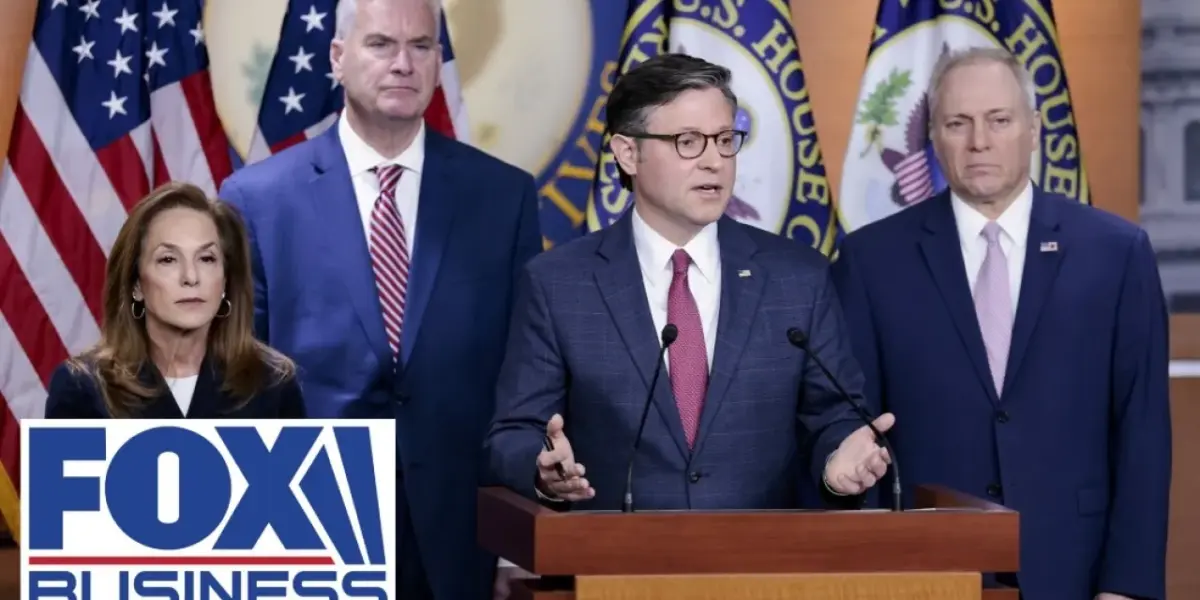
Funding Stalemate Threatens Essential Services
The ongoing dispute over funding for the Department of Homeland Security (DHS) continues to create uncertainty, impacting critical government operations. House Speaker Mike Johnson and Republican leaders are facing pressure to resolve the stalemate, which centers on disagreements over border security measures and overall spending levels.
The Department of Homeland Security, responsible for national security, border control, and emergency management, requires consistent funding to operate effectively. Without an agreement, essential services could face disruptions, affecting national security and public safety.
Political Divisions Hamper Progress
House Republicans are reportedly divided on how to proceed with the DHS funding bill. Some members are pushing for stricter border security policies to be included in any spending package, while others are concerned about the broader economic implications of prolonged government shutdowns or funding gaps.
This division within the party makes it challenging for Speaker Johnson to garner enough votes to pass a bill through the House. The Senate has already passed its version of the DHS funding, creating a significant gap between the two chambers that needs to be bridged.
What Investors Should Know
The uncertainty surrounding government funding can create ripples across the financial markets. While this specific dispute might not cause widespread panic, prolonged governmental impasses can lead to reduced consumer confidence and business investment.
For investors, it’s important to monitor how these political negotiations affect economic indicators such as consumer spending and business sentiment. Sectors that rely heavily on government contracts or are sensitive to economic stability might experience short-term volatility.
The core issue is a classic example of political negotiation where different factions within Congress have vastly different priorities. Imagine two groups trying to agree on how to spend a family budget, but one group insists on buying a new car before agreeing on essential groceries. This is similar to the dynamic in Washington, where policy goals, like border security, are tied to the basic function of keeping the government running.
The Department of Homeland Security is crucial for everything from national defense to managing natural disasters. Its ability to function depends on Congress passing appropriations bills, which are essentially the government’s budget. When these bills get stuck, it’s like a household not being able to pay its essential bills.
Key Points:
- The Department of Homeland Security funding is at the center of a political dispute in the House.
- Disagreements focus on border security policies and overall spending levels.
- Internal divisions within the Republican party are complicating the path to a resolution.
- The Senate has passed its own version of the funding bill, highlighting the gap between chambers.
Long-Term Implications
While short-term market reactions to government funding debates can be temporary, persistent political gridlock can have more significant long-term consequences. It can erode confidence in the government’s ability to manage the economy and address national challenges.
This can, in turn, affect investor confidence and potentially lead to slower economic growth. Businesses may become hesitant to make long-term investments if they anticipate ongoing instability. The ability of the government to function smoothly is a bedrock for a stable economic environment.
The ongoing nature of these debates also highlights the broader challenges in fiscal policy and governance. Finding common ground on critical issues is essential for both national security and economic prosperity. Investors often look for stability and predictability, which can be difficult to find when legislative processes are frequently stalled.
The situation underscores the importance of understanding the political climate when making investment decisions. While specific stock picks are not directly tied to this news, a generally stable political environment supports a healthy market. Conversely, persistent uncertainty can create headwinds for broader market performance.
Source: WATCH LIVE: Speaker Johnson, GOP leaders hold weekly presser (YouTube)

Related Articles
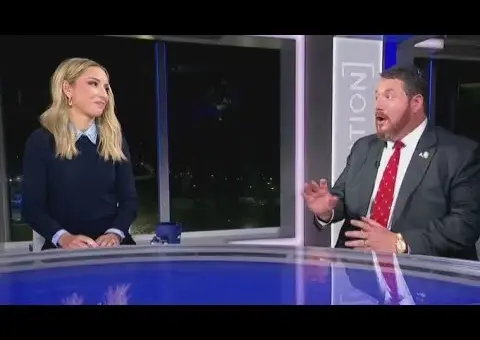
House Republicans Reject Senate Deal, Sparking Government Funding Clash
House Republicans have rejected a Senate bill to end the government shutdown, citing insufficient border security measures. Congressman Randy Fine called the Senate deal a "disgrace" and highlighted the ongoing fight for full government funding. President Trump's executive order to pay TSA agents offers temporary relief, but the core disagreement over border security continues to paralyze Washington.
House Rejects Senate Bill, Citing Border Security Funding Gaps
House Republicans are rejecting a Senate funding bill, arguing it lacks essential appropriations for ICE and CBP, threatening anti-trafficking efforts and border security. They plan to pass a short-term measure to force renewed negotiations.

Voter ID: Common Sense or Suppression?
A growing debate surrounds voter ID laws, with proponents calling them a common-sense measure against fraud and opponents fearing voter suppression. Many countries and U.S. states already require ID to vote.