Intel Officers Seek Hollywood’s Help Shaping Narratives
An intelligence officer allegedly offered producers insider information in exchange for shaping their show's narrative, suggesting a new strategy to influence public understanding of sensitive topics like alien encounters. This reveals a potential government effort to control how such subjects are presented through popular media.

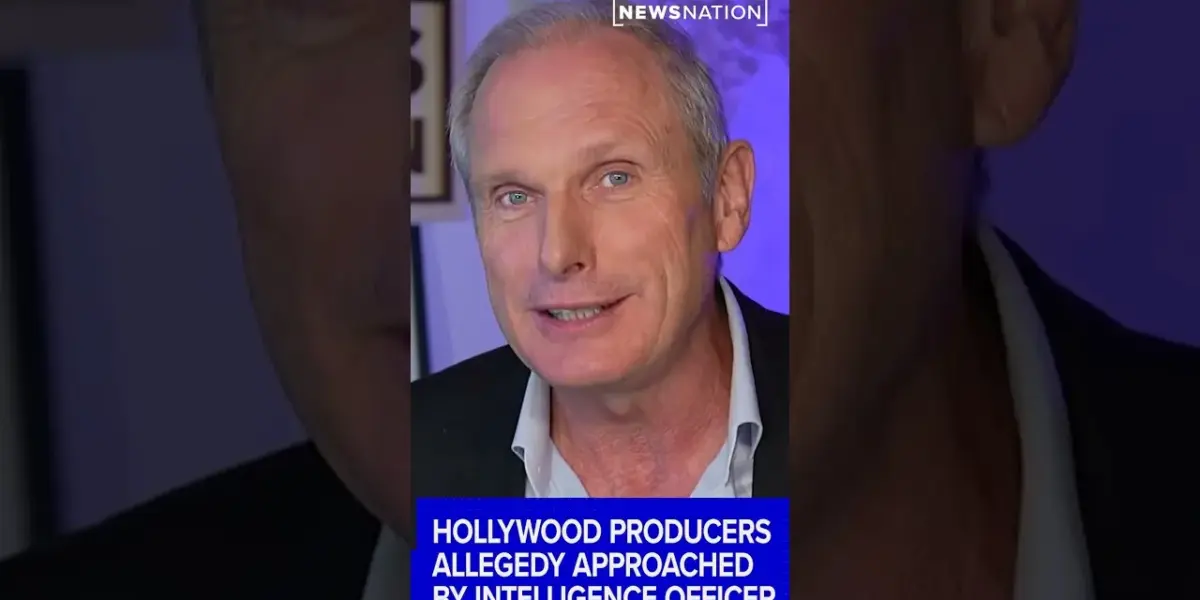
Intel Officers Seek Hollywood’s Help Shaping Narratives
A surprising offer from an intelligence officer to Hollywood producers highlights a new strategy: using entertainment to influence public understanding of sensitive topics, potentially including alien encounters.
Producers Offered a Deal
The core of the story involves an intelligence officer who approached producers, offering insider information in exchange for shaping the content of their shows. This was described as a “quid pro quo” – a deal where both sides give something to get something.
The producers were asked to consider specific points the intelligence community felt should be included in a “slow drip” disclosure. This suggests a planned, gradual release of information, possibly to ease the public into certain ideas.
The “Dark Skies” Connection
The producers involved worked on a series called “Dark Skies.” This show, while fictional, touched on themes that apparently interested the intelligence officer. The officer specifically mentioned a scene where an alien possesses a human through a tentacle-like object.
The intelligence officer did not agree with this particular scene. He stated, “That’s not the way it’s done.” This comment strongly implies that the officer knew of real methods or processes that are not publicly known, suggesting a deeper, factual basis behind the fictional narrative.
What Intelligence Liked and Disliked
The intelligence officer approved of certain aspects of the show. He liked that the Navy, rather than the Air Force, was portrayed as being in charge. He also found the idea of a hidden history, a “sublevel of history,” to be interesting.
However, the “ganglion” scene, which involved body-snatching-like possession, was a point of contention. The network had pushed for these horror elements, but the intelligence officer seemed to view them as inaccurate or not reflective of reality.
Why This Matters: Shaping Perceptions
This interaction reveals a potential new tactic by intelligence agencies. Instead of just gathering information, they may be actively trying to shape public perception and understanding through popular media. This can be a powerful tool for influencing how people think about complex or even classified subjects.
By working with filmmakers, intelligence groups could subtly introduce certain ideas or narratives into the public consciousness. This might be done to prepare people for future revelations or to counter misinformation. The focus on a “slow drip” disclosure further suggests a controlled release of information over time.
Historical Context
Throughout history, governments have sometimes used media to promote their agendas. During wartime, for example, propaganda films were common. This current situation, however, seems more nuanced, focusing on influencing understanding rather than direct persuasion.
The idea of secret government knowledge about aliens or advanced technology has long been a topic in popular culture. This alleged approach by an intelligence officer suggests that these fictional themes might be closer to reality than many believe, or at least that intelligence agencies are interested in controlling the narrative around them.
Global Impact
If such strategies become common, it could change how the public receives information about national security and potentially unknown phenomena. It raises questions about media authenticity and the role of entertainment in shaping societal beliefs. The line between fiction and reality could become even blurrier.
This development also suggests a potential shift in intelligence operations. Moving beyond traditional espionage, agencies might be investing in narrative control. This could have long-term effects on public trust and the way governments communicate sensitive information globally.
Future Scenarios
One possibility is that this is an isolated incident. Another is that it represents a growing trend of intelligence agencies engaging with Hollywood. If it becomes a trend, we might see more entertainment content subtly influenced by government perspectives.
This could lead to a more informed public, or conversely, a public whose understanding is carefully curated. The long-term impact on freedom of information and artistic expression remains to be seen.
Source: Hollywood producers allegedly approached by intelligence officer (YouTube)

Related Articles

US Must Block China’s Tech Access for Security
US national security experts are raising alarms about China's access to advanced AI chips, arguing it threatens strategic advantages. This, coupled with charges against Chinese entities for fentanyl precursor sales and a ban on foreign routers, signals a growing effort to prioritize security over business ties.
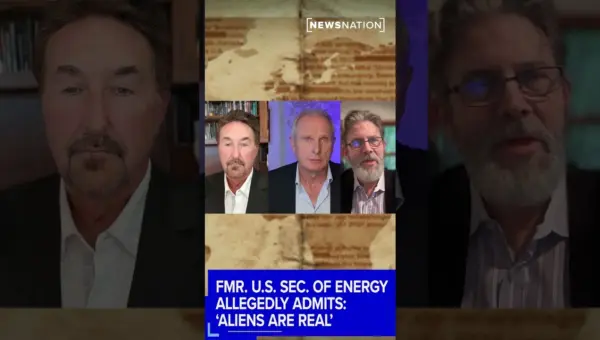
US Energy Chief’s ‘Alien’ Secret Shakes Global Trust
A former US Secretary of Energy allegedly confessed to classified briefings about extraterrestrial life, causing him immense distress. This revelation, if true, could profoundly impact global trust in government and reshape our understanding of reality.

US Military Pursues Secret Tech, Lunar Base Plans Emerge
Reports indicate the US military and defense contractors are exploring advanced technologies, possibly reverse-engineering unknown craft. Concurrently, NASA plans a lunar base, while millions of UAP-related files are allegedly deleted, raising transparency concerns. These developments could reshape global power dynamics.